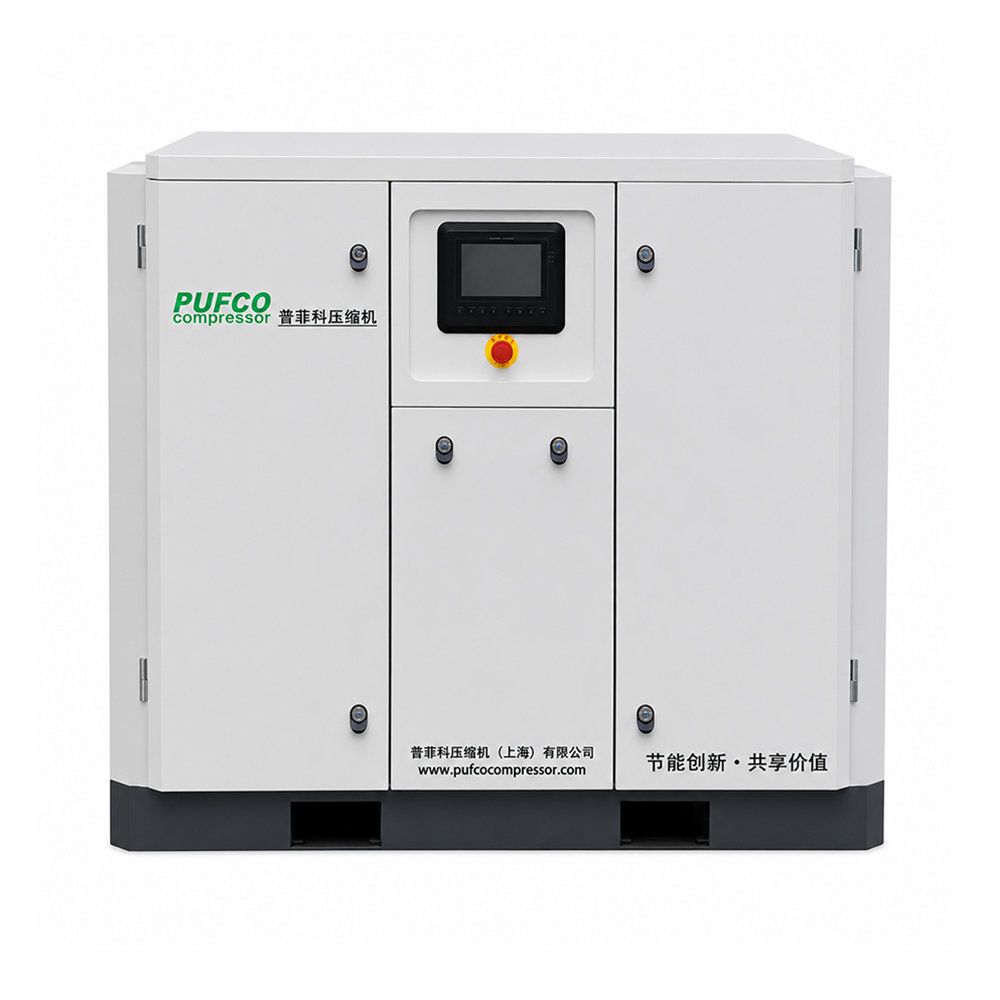
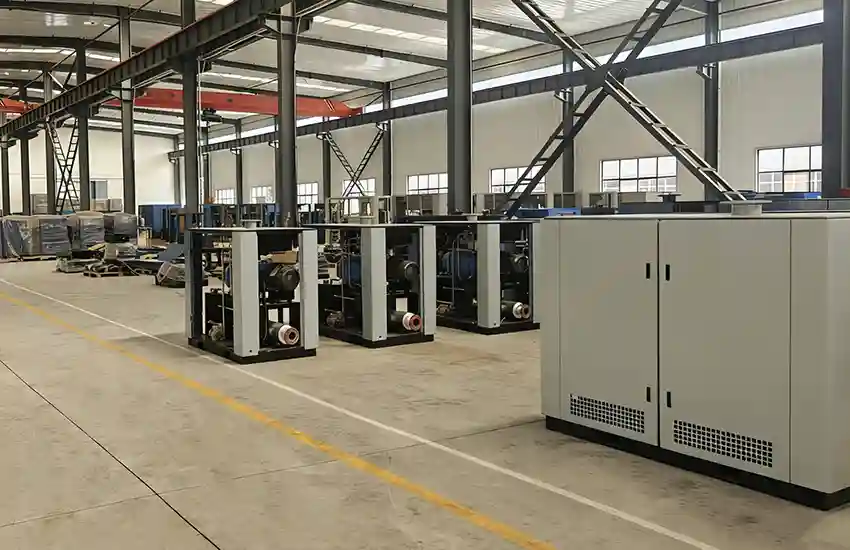
Screw air compressors stand as the backbone of modern industrial operations, powering everything from manufacturing assembly lines to pharmaceutical production. Their reliability and energy efficiency make them a top choice for businesses seeking consistent compressed air supply. Understanding their working mechanism not only helps in optimal operation but also aids in selecting the right type—oil-injected or oil-free—for specific applications. Let’s break down the process and explore critical considerations for industrial users. The working principle of a screw air compressor is based on the positive displacement of air through the rotation of interlocking rotors. Here’s a detailed step-by-step breakdown of the process, from air intake to the delivery of high-pressure air:
 Step 1: Air Intake
The process begins when the compressor’s motor drives the male rotor, which in turn rotates the female rotor (either through direct meshing or timing gears). As the rotors start to rotate, the spaces between the rotor lobes (known as "pockets") expand, creating a low-pressure zone at the air intake port. This low pressure draws in atmospheric air through a filter, which removes dust, dirt, and other contaminants to protect the compressor’s internal components.
Step 2: Compression
As the rotors continue to rotate, the pockets of air are trapped between the rotor lobes and the compressor’s housing. The interlocking design of the rotors gradually reduces the volume of these pockets as they move toward the discharge port. This reduction in volume increases the pressure of the air—a process known as positive displacement compression. In oil-injected models, lubricating oil is injected into the compression chamber at this stage to cool the air, seal the gaps between the rotors, and reduce friction.
Step 3: Air-Oil Separation (Oil-Injected Models Only)
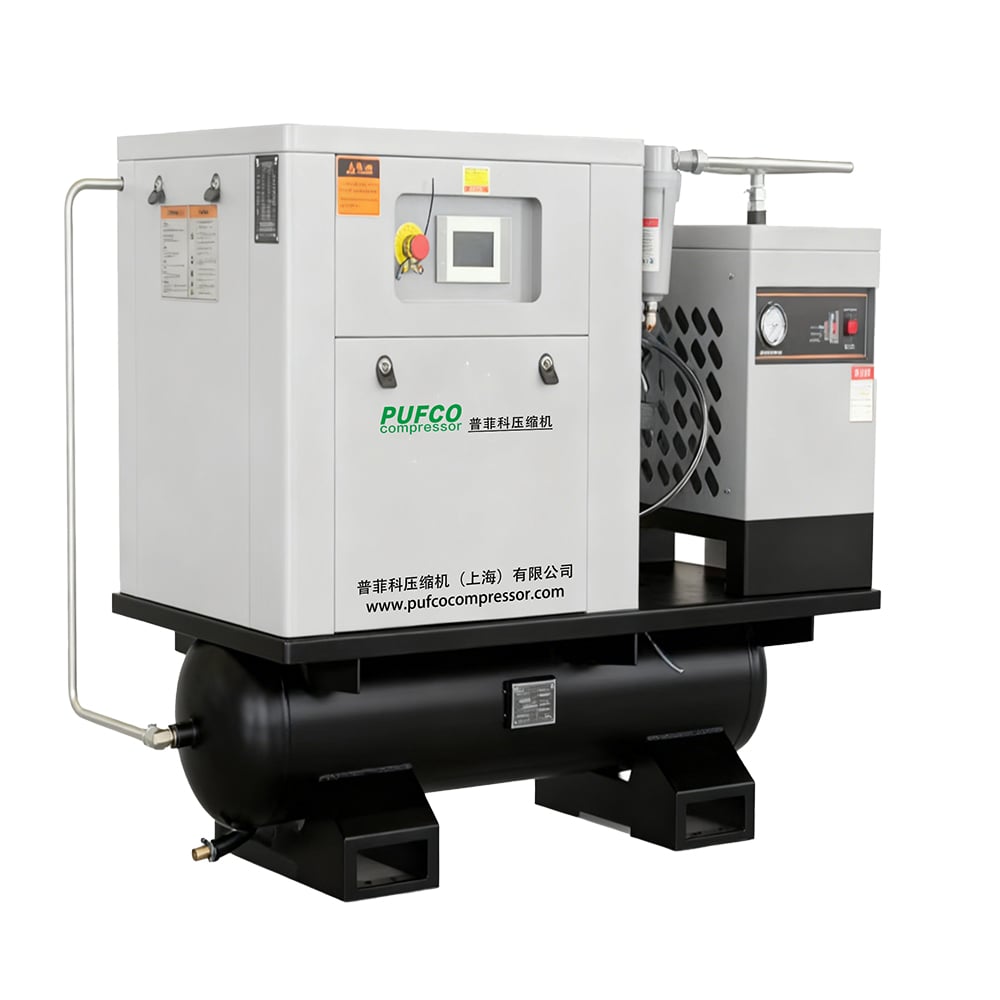
For oil-injected compressors, the compressed air-oil mixture is discharged into a separator tank. Here, the mixture is slowed down, allowing the heavier oil droplets to settle at the bottom of the tank. The air then passes through a series of filters (including coalescing filters) to remove any remaining oil mist, ensuring that the discharged air meets the required purity standards. The separated oil is cooled, filtered, and recirculated back into the compression chamber for reuse.
Step 4: Cooling and Drying
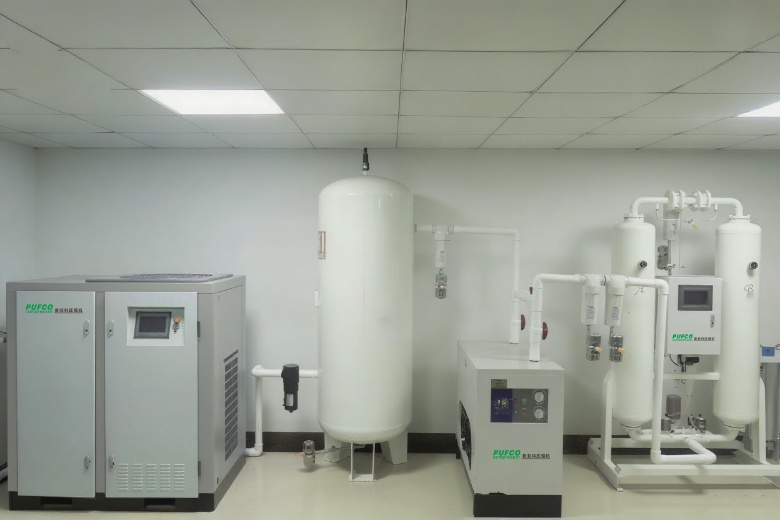
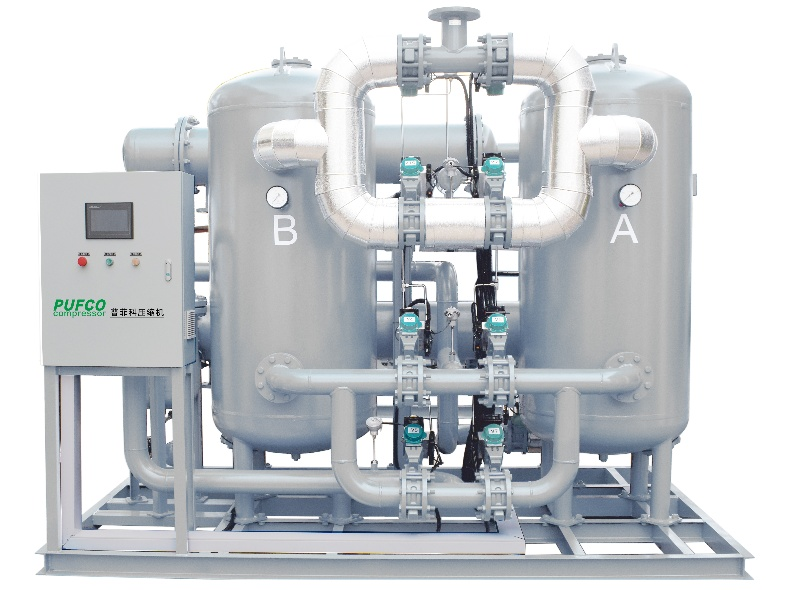
Compressed air generates heat due to the reduction in volume (adiabatic compression). To prevent damage to the compressor and ensure efficient operation, the compressed air is passed through a cooler (either air-cooled or water-cooled) to lower its temperature. Cooling the air also reduces its moisture content, as cooler air can hold less water vapor. In applications that require dry air, additional drying equipment (such as desiccant dryers or refrigerated dryers) may be installed downstream of the compressor.
Step 5: Discharge and Storage
The cooled, dried, and purified compressed air is then discharged from the compressor and stored in an air receiver tank. The receiver tank acts as a buffer, smoothing out pressure fluctuations and ensuring a steady supply of air to the application. It also allows any remaining moisture to condense and settle at the bottom, where it can be drained off periodically.
 Hot News
2026-06-12
2026-06-12
2026-06-09
2026-06-09
2026-06-06
2026-04-17


 CN
CN