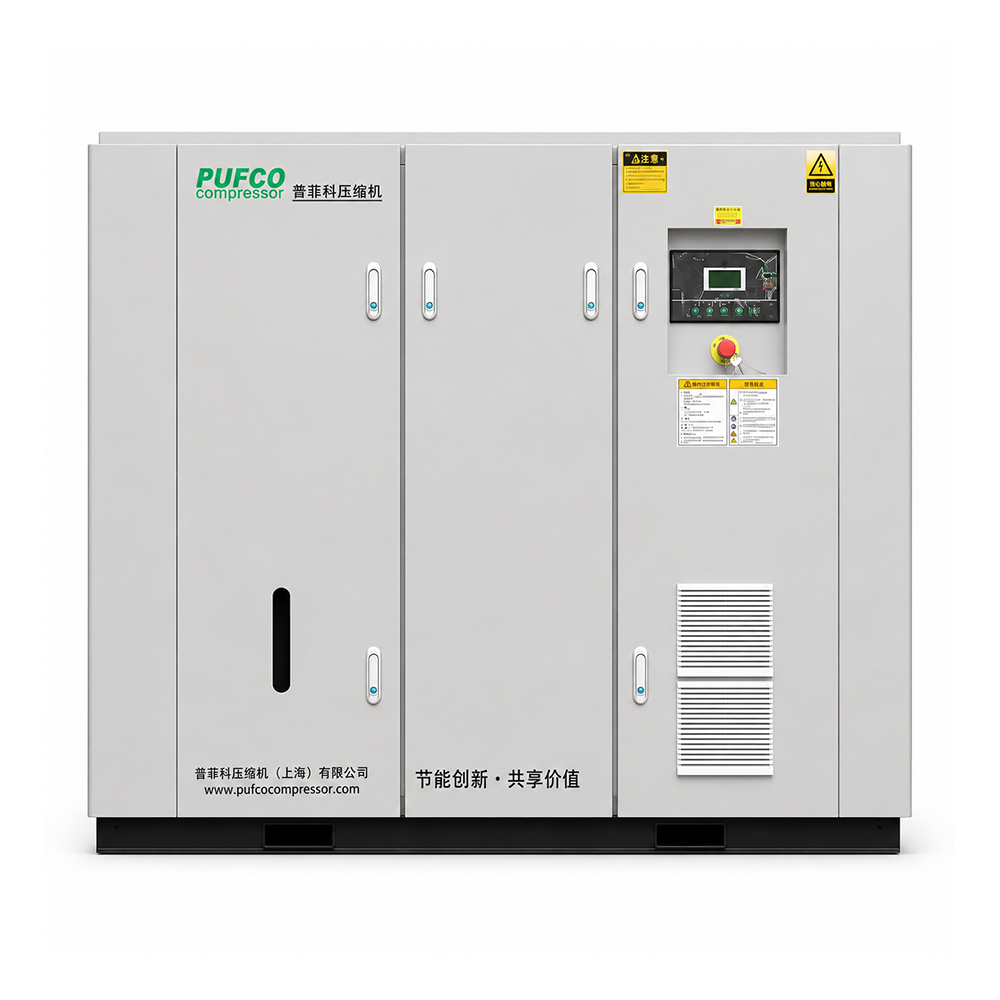
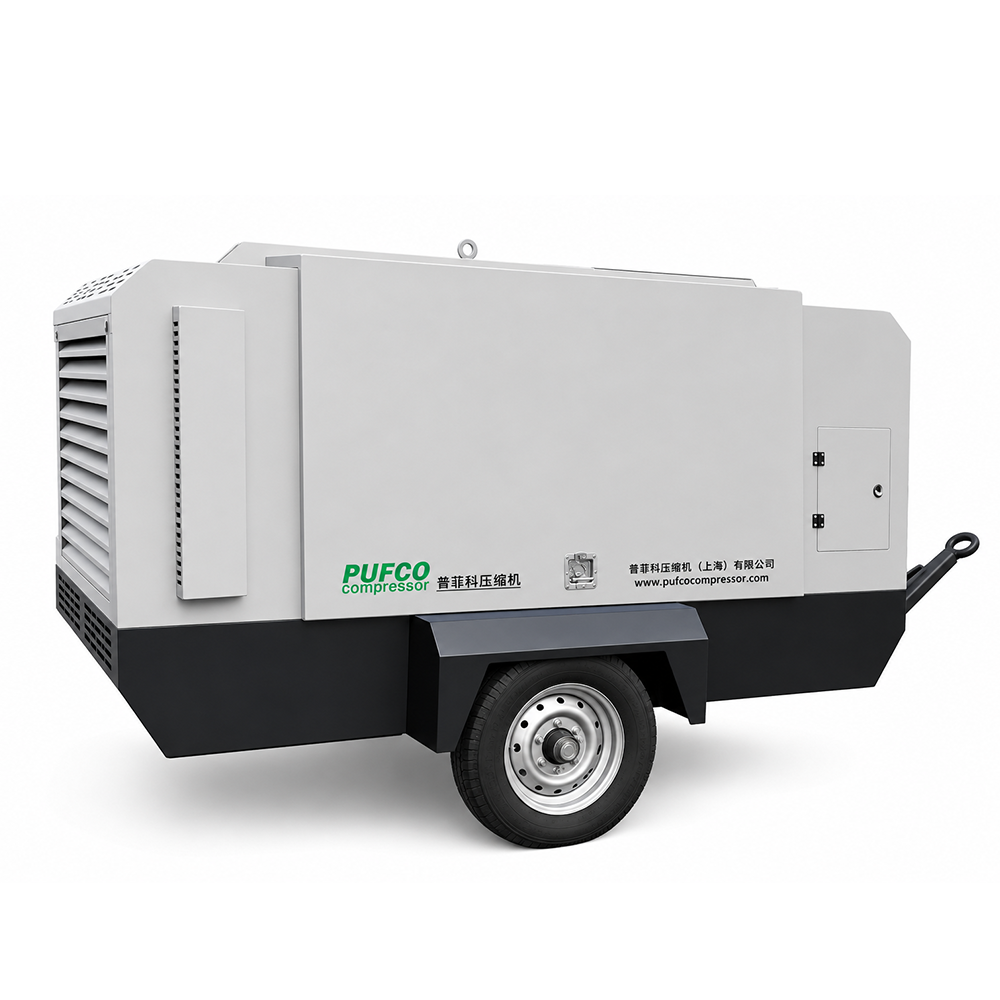
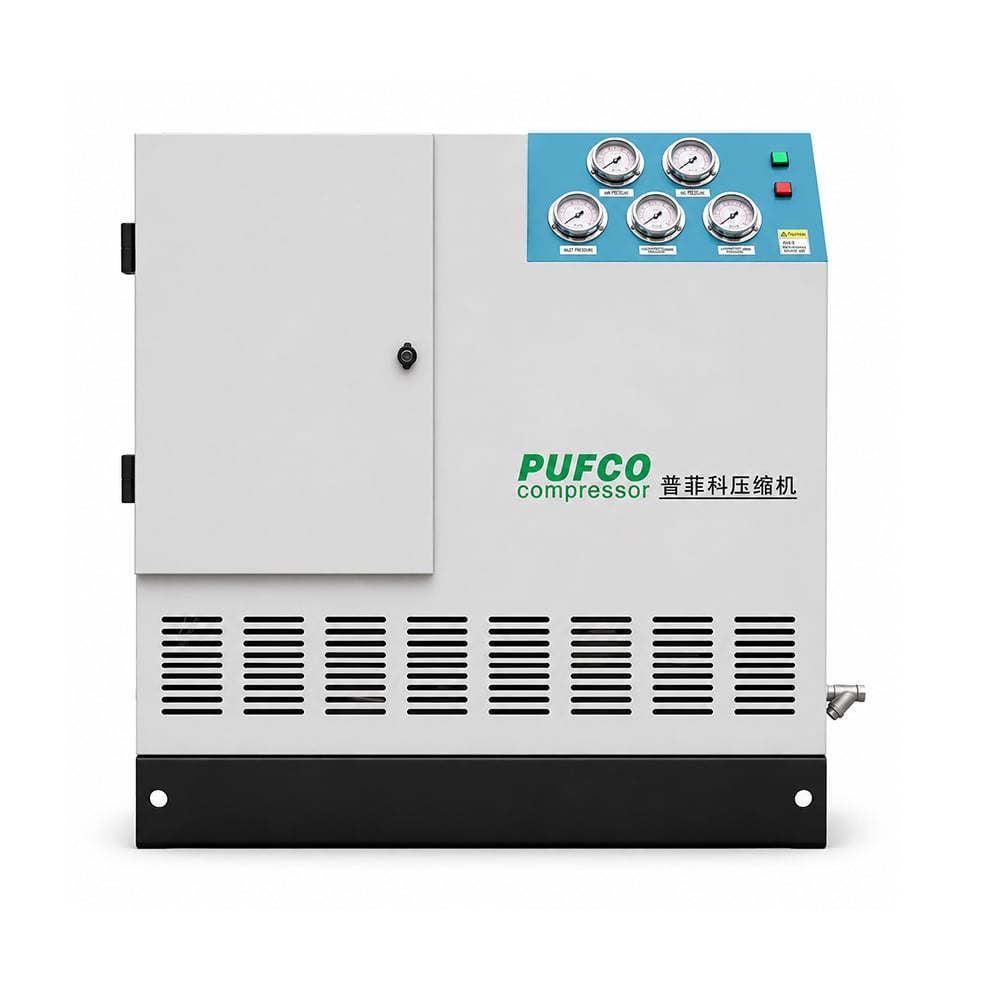
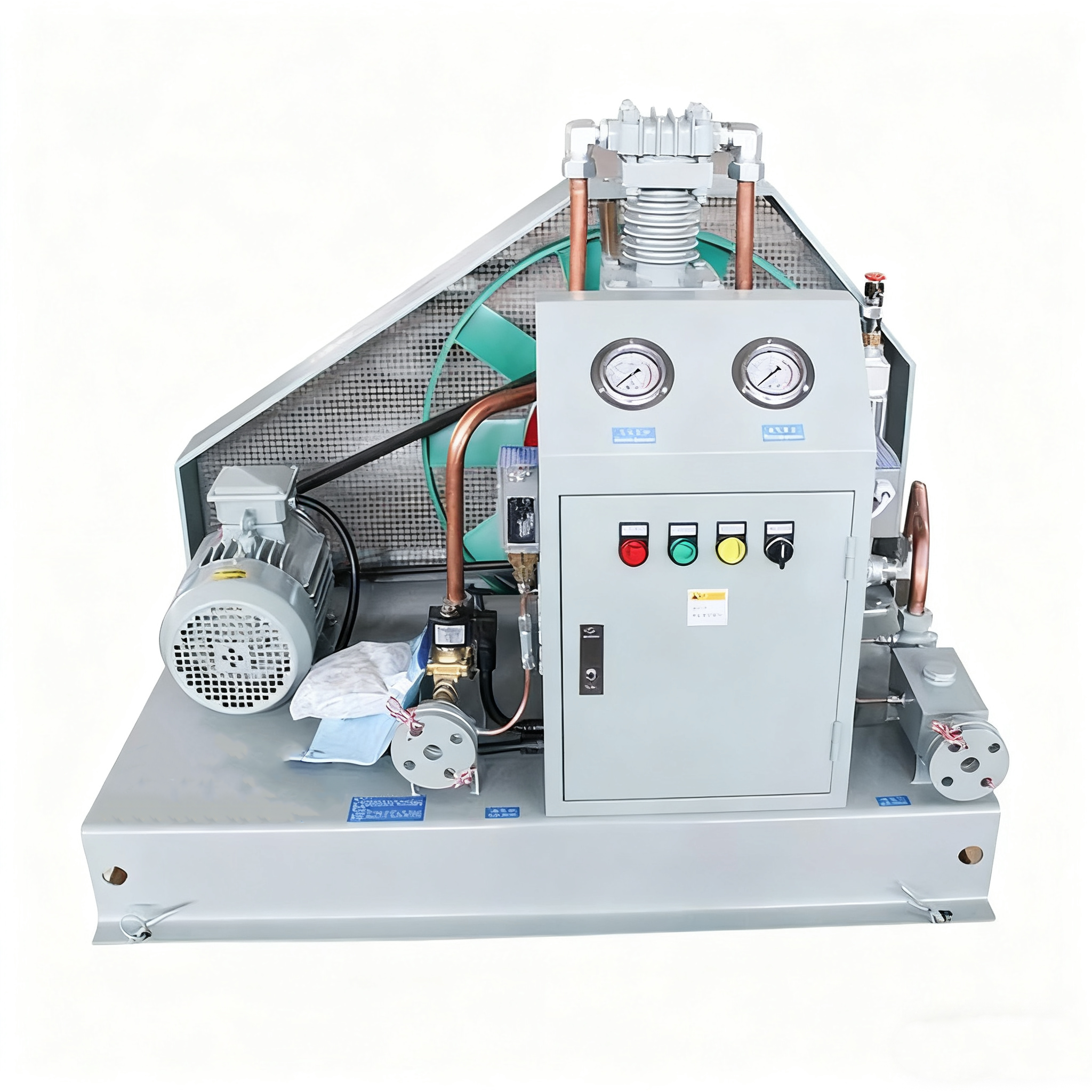
In the industrial landscape, compressed air is often referred to as the "fourth utility," alongside electricity, water, and natural gas. At the heart of generating this vital resource lies the screw air compressor—a workhorse that powers countless operations across manufacturing, construction, automotive, and healthcare sectors. Unlike traditional reciprocating compressors, screw air compressors offer superior efficiency, reliability, and continuous performance, making them the preferred choice for modern industrial applications. This guide delves into every aspect of screw air compressors, from their core working principles to maintenance best practices, helping you make informed decisions for your business needs.
What Is a Screw Air Compressor? Definition and Core Function
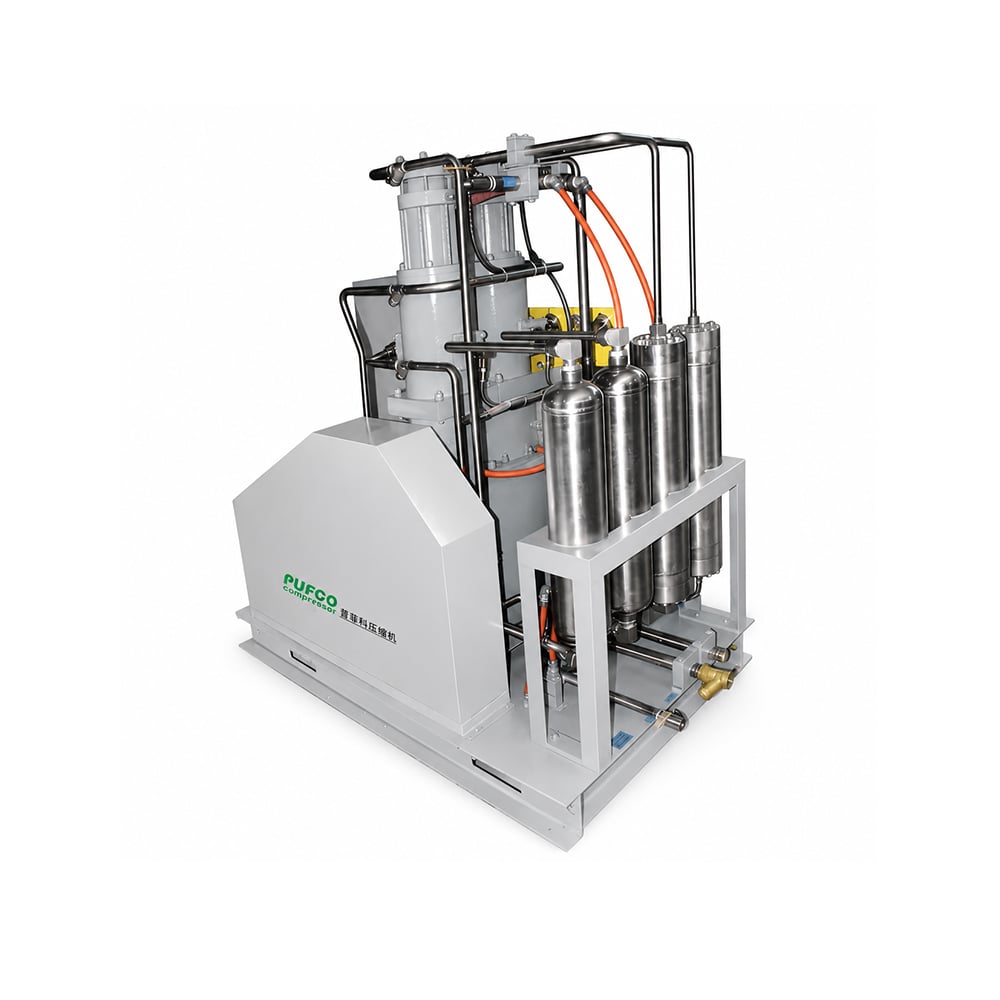
A screw air compressor is a type of positive-displacement compressor that uses two interlocking helical rotors (known as male and female rotors) to compress air. The primary function of this equipment is to draw in atmospheric air, reduce its volume through mechanical compression, and deliver high-pressure air for various industrial processes. Unlike reciprocating compressors, which rely on pistons and cylinders to compress air in intermittent cycles, screw compressors operate continuously, making them ideal for applications that require a steady supply of compressed air.
The key distinction of screw air compressors lies in their design simplicity and durability. With fewer moving parts compared to reciprocating models, they minimize wear and tear, reduce maintenance costs, and extend service life. This makes them a cost-effective solution for both small businesses and large-scale industrial facilities. Whether it’s powering pneumatic tools, operating conveyor systems, or facilitating manufacturing processes like blow molding and spray painting, screw air compressors play an indispensable role.
Types of Screw Air Compressors: Oil-Injected vs. Oil-Free
Screw air compressors are primarily categorized into two main types based on their lubrication system: oil-injected (oil-flooded) and oil-free. Each type has unique characteristics, advantages, and ideal applications, so understanding their differences is crucial for selecting the right compressor for your needs.
1. Oil-Injected Screw Air Compressors
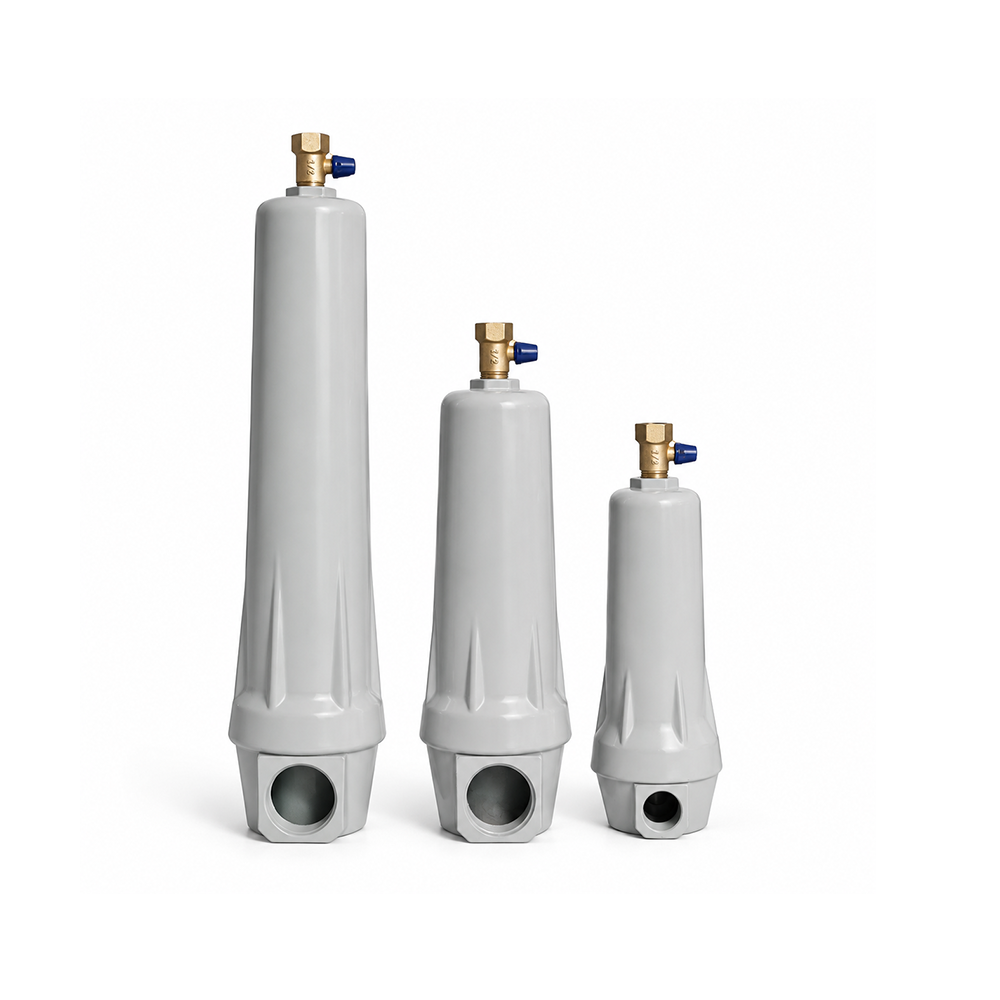
Oil-injected screw air compressors are the most common type in industrial settings. As the name suggests, these compressors use lubricating oil to cool, seal, and lubricate the interlocking rotors during operation. The oil is injected directly into the compression chamber, where it mixes with the incoming air. After compression, the air-oil mixture is separated using a separator tank and filter, ensuring that the discharged air contains minimal oil residues (typically less than 5 ppm).
The primary advantages of oil-injected screw air compressors include higher efficiency, lower initial cost, and quieter operation. The oil acts as a coolant, reducing the temperature of the compressed air and minimizing energy loss. Additionally, the lubrication provided by the oil reduces friction between the rotors, extending the compressor’s lifespan. These compressors are ideal for applications where small amounts of oil in the compressed air are not a concern, such as powering pneumatic drills, impact wrenches, and general manufacturing processes.
2.Oil-Free Screw Air Compressors
Oil-free screw air compressors are designed to deliver compressed air with zero oil contamination, making them essential for industries with strict hygiene and purity requirements, such as food and beverage, pharmaceutical, healthcare, and electronics manufacturing. Unlike oil-injected models, these compressors use specialized materials (such as PTFE coatings) and air bearings to eliminate the need for lubricating oil in the compression chamber.
There are two main designs of oil-free screw air compressors: dry screw and water-injected screw. Dry screw compressors use timing gears to keep the rotors separated, preventing metal-to-metal contact. Water-injected screw compressors, on the other hand, use water as a coolant and sealant, replacing oil entirely. While oil-free compressors have a higher initial cost and require more specialized maintenance, they eliminate the risk of oil contamination, which can be costly and dangerous in sensitive applications (e.g., contaminating pharmaceutical products or damaging electronic components).
 Hot News
2026-06-12
2026-06-12
2026-06-09
2026-06-09
2026-06-06
2026-04-17


 CN
CN