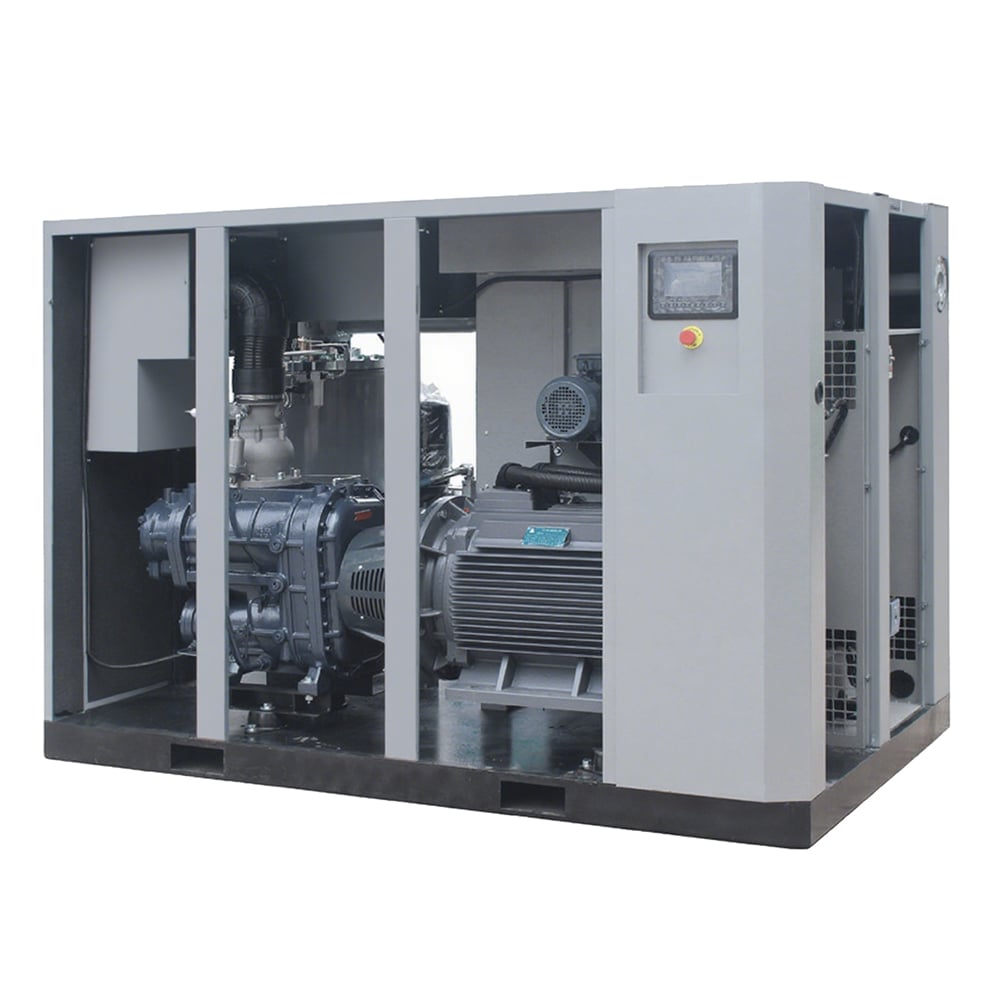
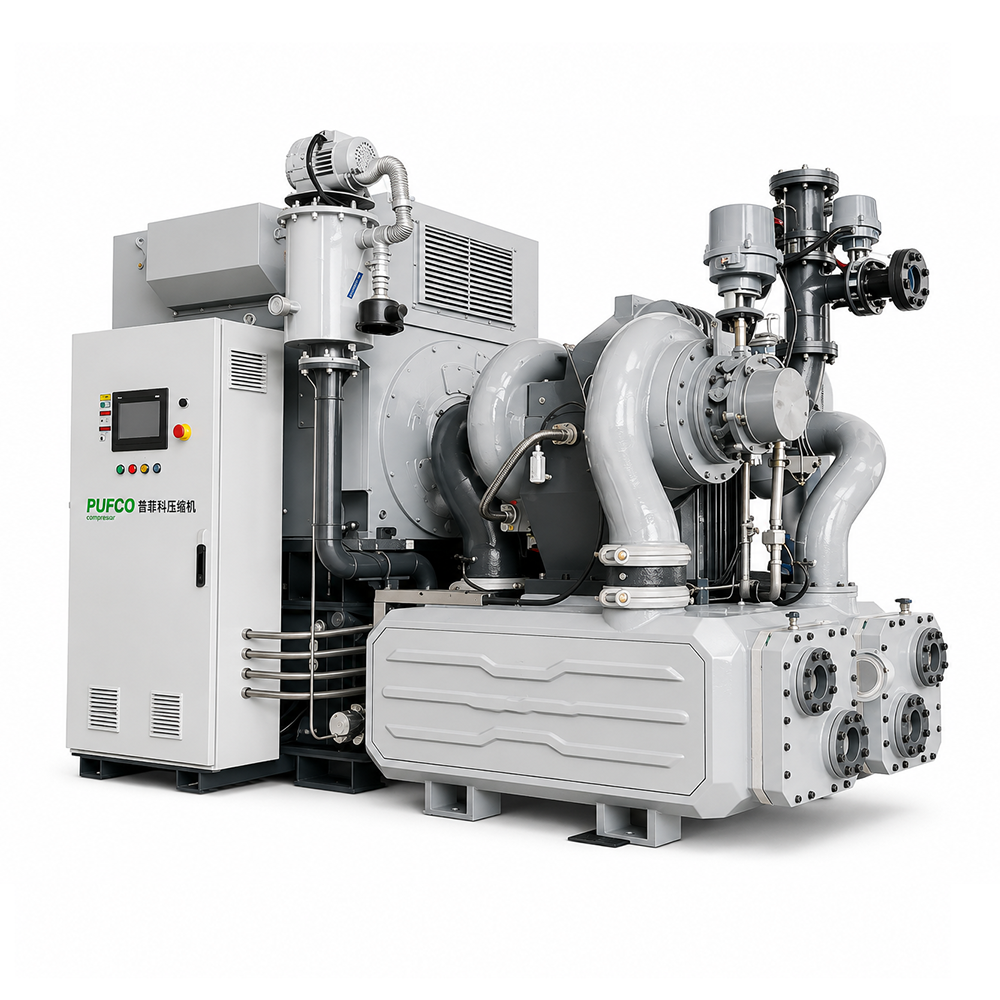
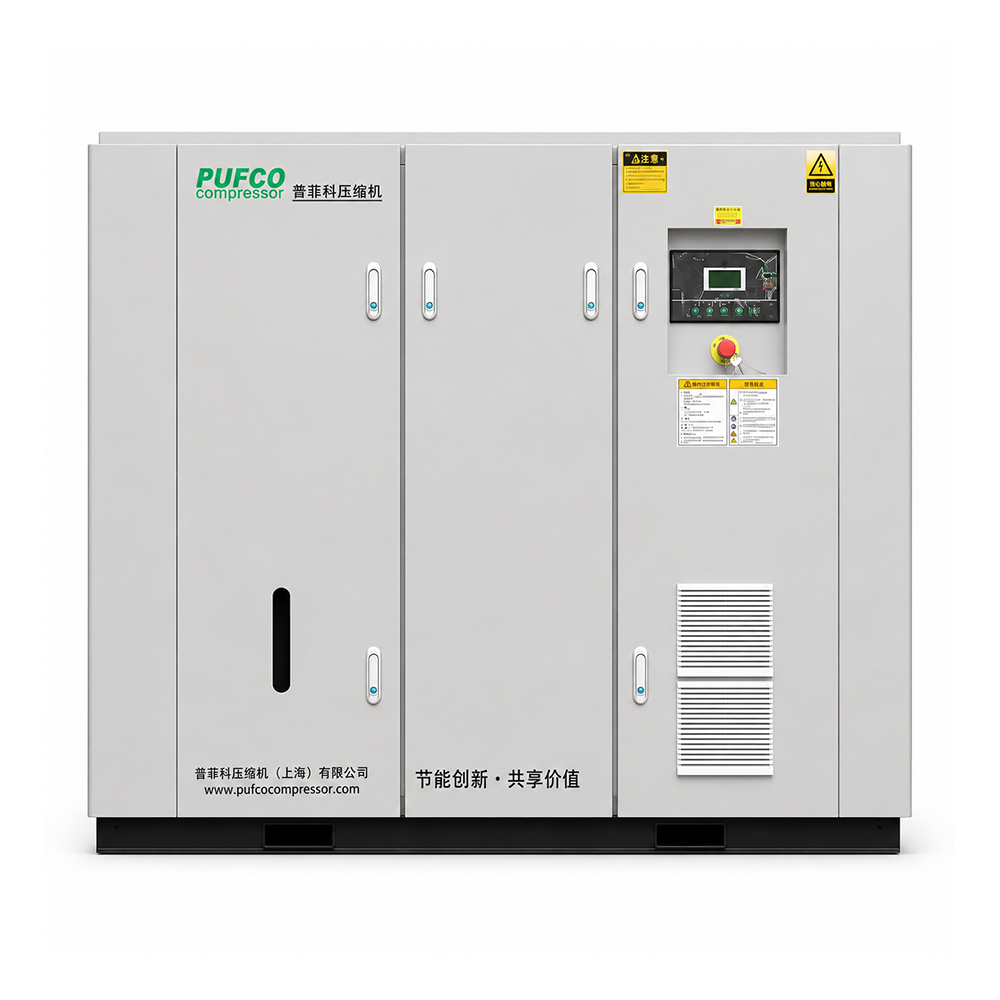
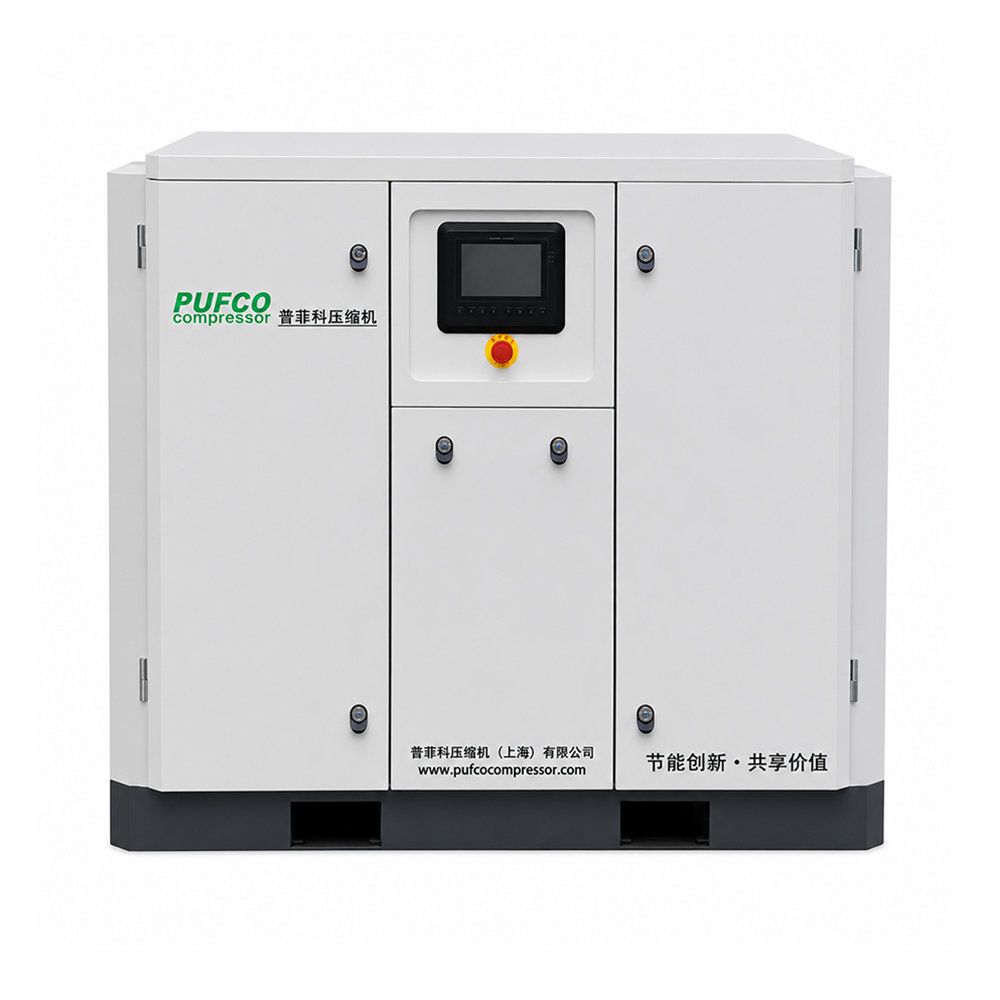
Proper maintenance is crucial for ensuring the efficiency, reliability, and longevity of your screw air compressor. Neglecting maintenance can lead to increased energy consumption, reduced performance, and costly repairs. Here are some essential maintenance tips to keep your compressor running smoothly:
1. Regularly Check and Replace Filters
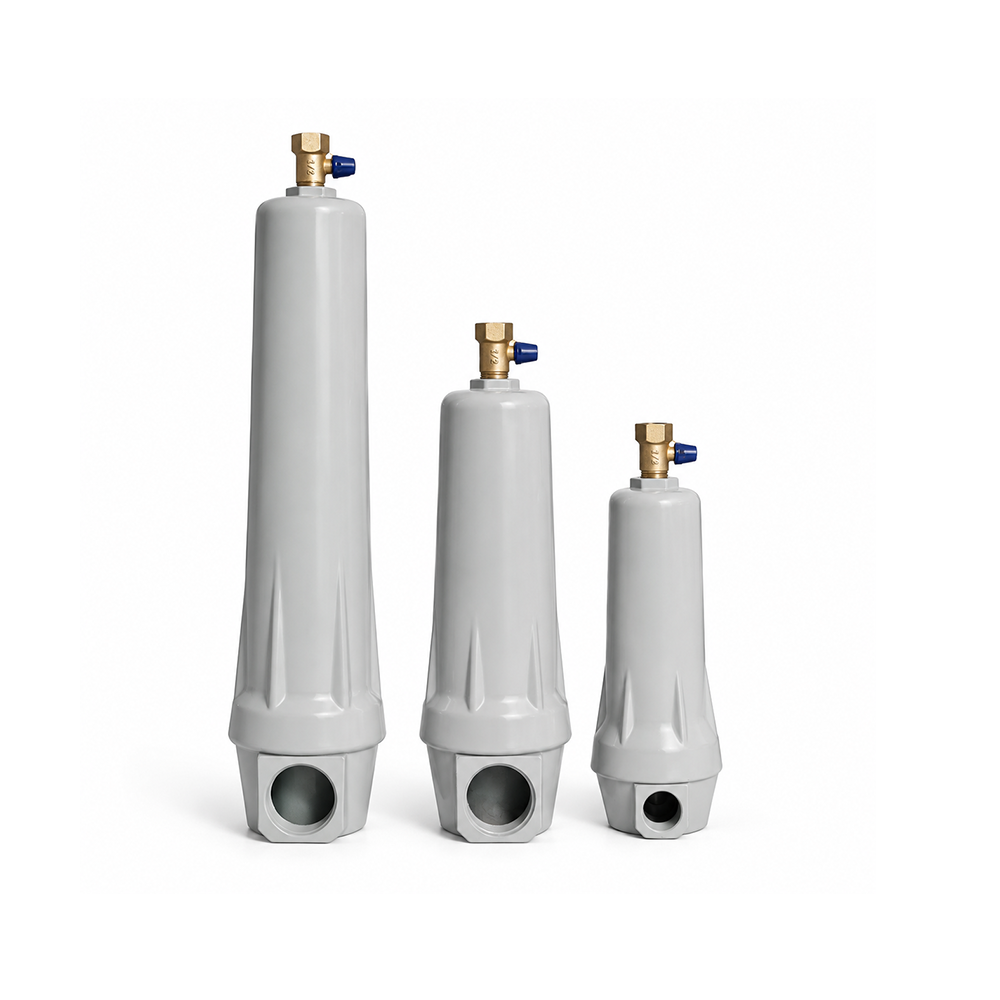
The air filter, oil filter (oil-injected models), and separator filter play a critical role in protecting the compressor’s internal components. The air filter prevents dust and debris from entering the compression chamber, while the oil filter removes contaminants from the lubricating oil. The separator filter ensures that oil is effectively removed from the compressed air. These filters should be checked monthly and replaced every 3-6 months (or as recommended by the manufacturer) to prevent clogging and ensure optimal performance.
2. Monitor and Change Lubricating Oil (Oil-Injected Models)
Lubricating oil is essential for the smooth operation of oil-injected screw air compressors. It cools the rotors, reduces friction, and seals the gaps between the rotors and the housing. Over time, the oil can become contaminated with dirt, moisture, and wear particles, reducing its effectiveness. The oil level should be checked weekly, and the oil should be changed every 1,000-2,000 operating hours (or as per the manufacturer’s guidelines). It’s important to use the recommended type of oil, as using the wrong oil can damage the compressor.
3. Drain Moisture from the Receiver Tank and Cooler
Compressed air contains moisture, which can condense in the receiver tank, cooler, and pipelines. This moisture can cause corrosion, damage pneumatic tools, and contaminate products in sensitive applications. The receiver tank should be drained daily (or equipped with an automatic drain valve) to remove accumulated moisture. The cooler and pipelines should also be inspected regularly for condensation and drained as needed.
4. Inspect and Tighten Connections
Vibrations from the compressor can cause bolts, nuts, and fittings to loosen over time. Loose connections can lead to air leaks, reduced pressure, and increased energy consumption. It’s important to inspect all connections (including electrical connections) monthly and tighten them as needed. Air leaks should be repaired immediately, as even a small leak can waste a significant amount of energy over time.
5. Schedule Professional Servicing
While routine maintenance can be performed in-house, it’s recommended to schedule professional servicing at least once a year. A qualified technician will perform a comprehensive inspection of the compressor, including checking the rotors, bearings, motor, and cooling system. They can also identify potential issues before they become major problems, ensuring that your compressor operates at peak efficiency.
 Hot News
2026-06-12
2026-06-12
2026-06-09
2026-06-09
2026-06-06
2026-04-17


 CN
CN