 CN
CN
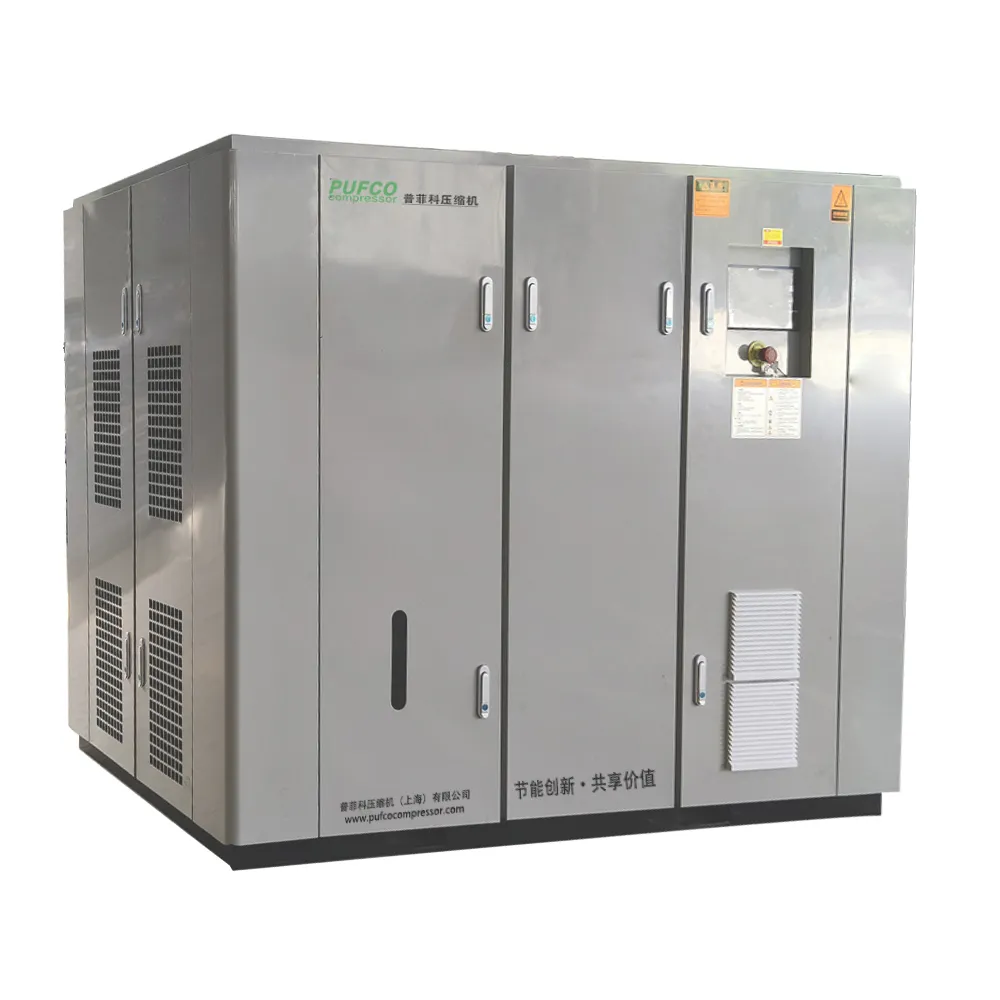
Oil-Injected Screw Air Compressor:Electrical and Control System Failures Preventing Startup
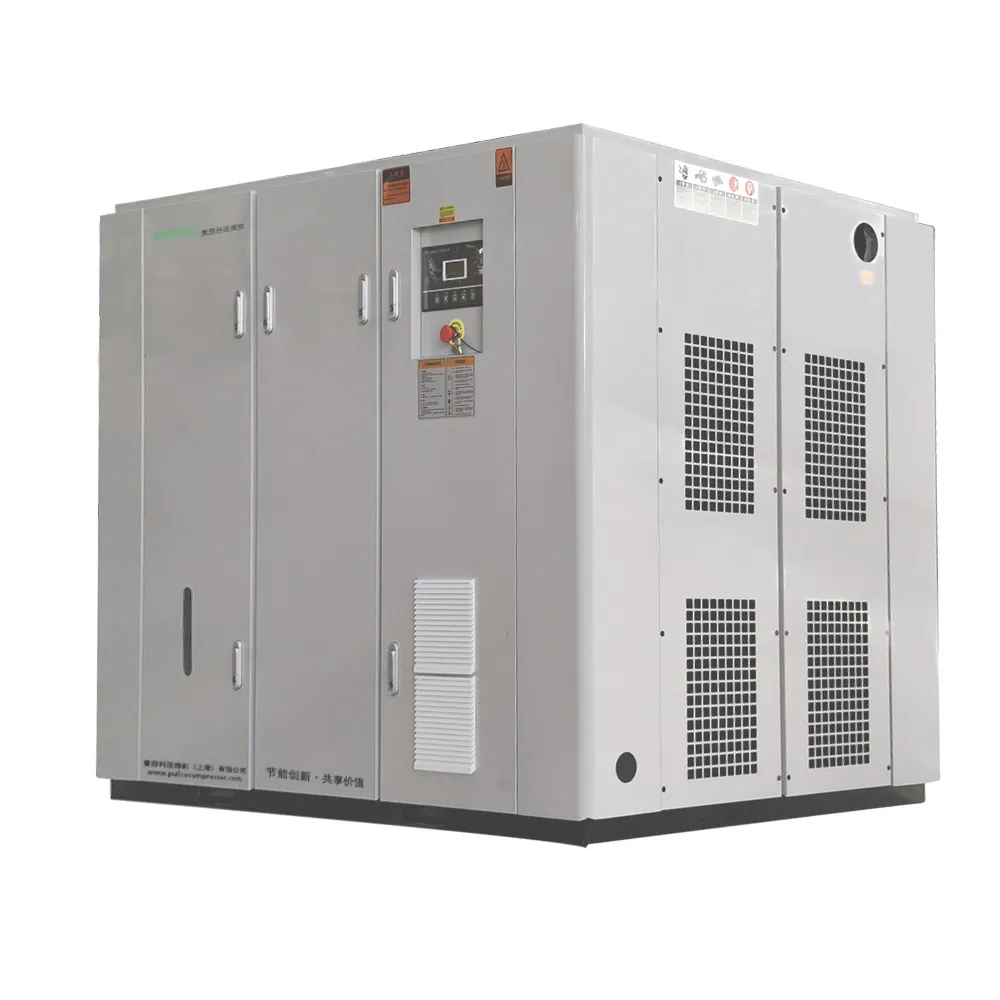
Voltage Instability, Sensor Malfunctions, and PLC Logic Errors
Most problems during startup of oil injected screw air compressors actually come from issues in the electrical and control systems. When there's voltage instability from things like power fluctuations, sudden surges, or just poor power regulation, it tends to mess up those sensitive electronic components and stop the whole system from initializing properly. Sensors also give trouble quite often because they get dirty over time, parts age out, or their calibration starts drifting off track. This creates bad feedback signals that basically trick the control system into thinking everything is wrong when it isn't. PLC logic errors are another common culprit. Sometimes old firmware gets stuck in there, or there's a mismatch between how things are configured. Electromagnetic interference can even mess with input/output modules enough to completely block startup sequences. We've seen cases where EMI causes false triggers on safety interlocks or just blocks start commands altogether. To prevent these headaches, install good quality voltage stabilizers, check and clean sensors every three months at minimum, and keep updating that PLC software according to what the manufacturer recommends. Taking these steps really helps boost system reliability and cuts down on those frustrating unexpected shutdowns that happen in important industrial settings.
Thermal, Mechanical, and Acoustic Anomalies During Operation
Overheating Causes: Degraded Oil, Clogged Coolers, and Restricted Oil Flow
Too much heat is probably the number one reason why oil injected screw compressors lose their efficiency and break down early. When oil gets degraded because it's been through too much heat, oxidized over time, or just hasn't been changed according to schedule, it loses its ability to stay viscous and stable thermally. This cuts down on cooling effectiveness somewhere around 40% based on those ASTM D2896 standards and ISO 4406 specs. At the same time, dirty air or oil coolers filled with dust buildup, old sludge deposits, or even microbial growth problems will mess up how well they reject heat. Internal blockages plus worn out pumps also limit proper oil circulation. All these issues combined can drive compressor temps past that critical 200 degree Fahrenheit mark (about 93 Celsius), which makes the oil oxidize faster and creates more sludge inside the system. Regular maintenance matters a lot here. Checking oil condition roughly every 500 operating hours, looking at cooler conditions regularly, and making sure oil flows properly through the system keeps things running smoothly and helps parts last longer overall.
Vibration and Noise Sources: Misalignment, Bearing Wear, and Rotor Imbalance
When machines start vibrating abnormally or making strange noises, these are usually signs that something is wearing out. Misaligned motors or couplings create harmonic forces that put extra strain on bearings and rotor parts. Bearings that are getting worn tend to make high pitched sounds and show sudden spikes in vibration levels. Research suggests that when RMS velocity goes above 0.2 inches per second, it's often a warning sign that bearings will fail within weeks. Rotor imbalance problems come from various causes like carbon deposits building up unevenly, physical damage during operation, or mistakes made when putting components back together after maintenance. These imbalances generate centrifugal forces which can be heard as resonant vibrations in the equipment casing or felt as pulsations through the system. Regular predictive vibration checks following ISO 10816-3 standards help catch these issues early enough so technicians can address them before they cause bigger problems downstream in the machinery.
Oil System Breakdowns: Separation Failure and Contamination
Oil Carryover and Separator Collapse Due to Viscosity Shift and Pressure Differential
When lubricant gets carried along with compressed air, it's usually a red flag that something's wrong with the separator system. Changes in oil viscosity often happen because of heat damage or when operators use oil that doesn't meet specs, and this can cut down on separation effectiveness by around 40%. What happens then? Tiny oil droplets just slip right past the filters. At the same time, if pressure differences stay above 15 psi for too long, which typically comes from built-up sludge or cartridges that are too small, the separator media might get bent out of shape or even collapse completely. To stop these problems, maintenance teams should focus on three main things. First, check oil viscosity every three months using ISO certified methods. Second, swap out those separator cartridges before the pressure differential hits 12 psi. And third, install pressure sensors that give real time alerts whenever there are unusual pressure jumps. These steps help keep systems running properly without unexpected breakdowns.
Contamination Pathways: Water Ingress, Oxidation Sludge, and Drain System Blockages
Oil contamination really messes with system performance and speeds up component wear in three main ways. First off, water gets into the system all sorts of ways - broken breathers, bad seals, even moist air coming in during operation. This moisture creates conditions where microbes thrive and can boost bearing corrosion by around double what it normally would be according to industry standards. Then there's oxidation which kicks into high gear when temps climb past about 90 degrees Celsius. The result? Acidic sludge builds up inside those tiny oil channels and starts wearing down metal surfaces over time. And let's not forget about drain traps getting clogged with sludge or other junk. When this happens, contaminants just keep building up until they form these gritty emulsions that actually eat away at rotors and bearings. To combat these issues, maintenance teams should check those breather valves every six months or so. Switching to synthetic oils containing good oxidation inhibitors makes sense too - look for ones labeled ISO-L-HEP if possible. Upgrading to timer controlled solenoid drains helps maintain proper oil levels without needing constant monitoring, though installation costs might give some facilities pause.
FAQ
Why do voltage fluctuations prevent compressor startup?
Voltage fluctuations can disrupt sensitive electronic components in compressors, leading to startup failures.
What are the common causes of compressor overheating?
Common causes include degraded oil, clogged coolers, and restricted oil flow.
How can I prevent oil carryover in compressors?
Maintaining oil viscosity, replacing separator cartridges timely, and monitoring pressure differentials help prevent oil carryover.
What are the pathways for oil contamination?
Oil contamination occurs through water ingress, oxidation sludge, and drain system blockages.

