 CN
CN
Oil-Injected Screw Air Compressor: Determine Your Factory’s Actual Compressed Air Requirements
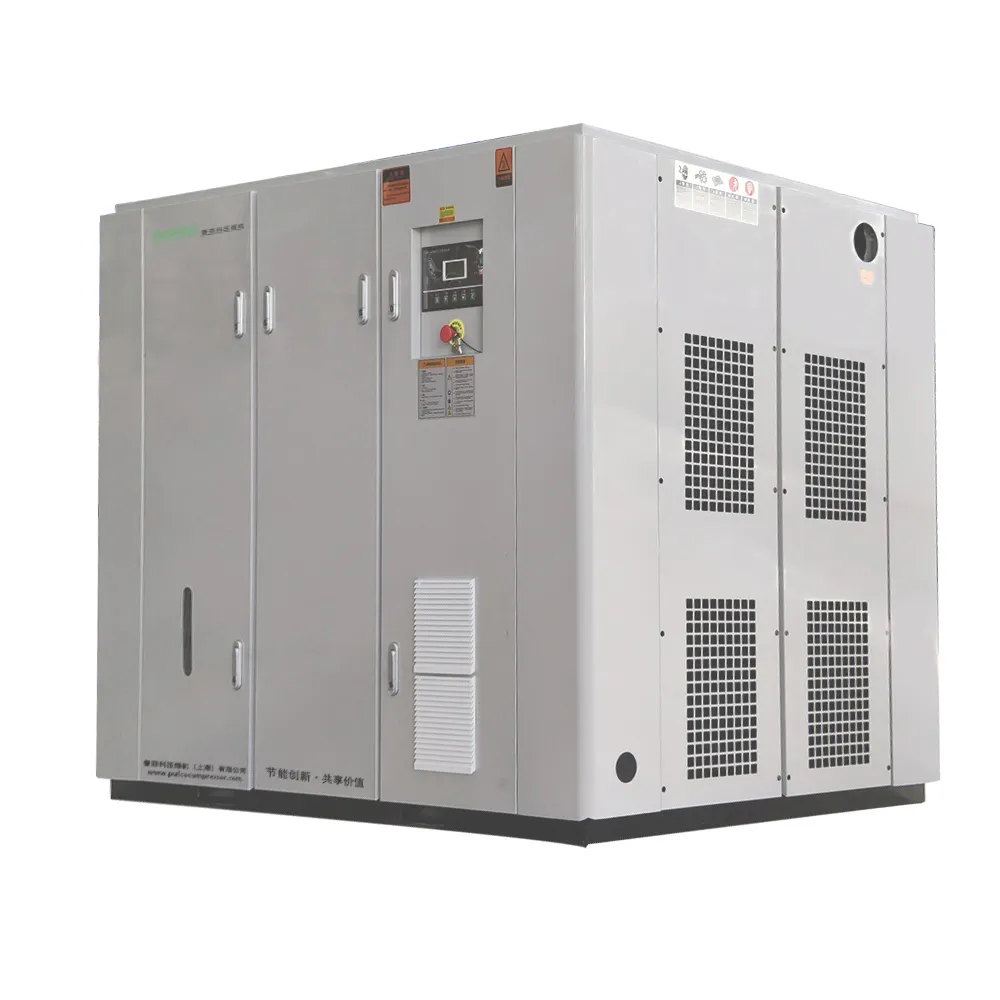
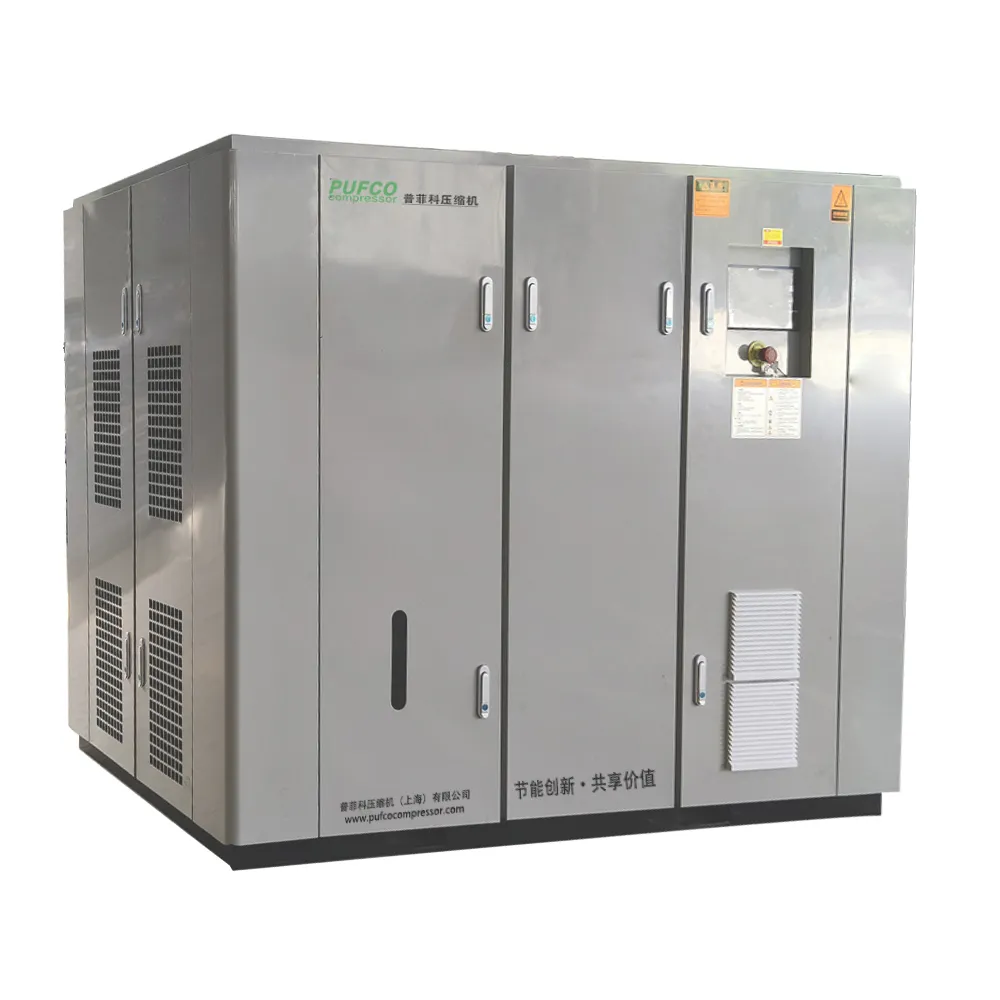
Calculate True CFM, Pressure, and Duty Cycle Using Real Load Profiles
Getting the right size oil injected screw air compressor begins with figuring out exactly how much compressed air is needed. Take measurements of cubic feet per minute (CFM) while all the tools are running at once. Most shops find they need around 75% capacity when eight or more devices are operating simultaneously. Look at what kind of pressure (PSI) is actually required during busy times instead of just going by average numbers. This helps avoid those annoying pressure drops when everyone needs air at once. Check how long the compressor runs versus when it sits idle. This tells us if we should go with something that works continuously or one that handles short bursts better for our particular setup. New installations can start by looking at spec sheets for each tool, but remember to throw in about 20 extra percent for normal leaks and another 10% just in case something unexpected happens down the road. Better safe than sorry when it comes to keeping production moving smoothly.
Align Air Quality Class (ISO 8573) with Process Sensitivity—Pneumatics, Packaging, Painting
Air purity needs vary significantly by application—avoid over-specifying. Match ISO 8573 classes to process sensitivity:
- Class 4 (≤5 mg/m³ oil, 40 μm particles) is sufficient for pneumatic tools and general assembly
- Class 2 (≤0.1 mg/m³ oil, 1 μm particles) is required for paint booths and precision coating
- Class 1 (≤0.01 mg/m³ oil) is mandatory only for pharmaceutical packaging and sterile environments
Oil-injected screw compressors—when paired with properly maintained coalescing and particulate filtration—consistently deliver Class 4–2 air. This makes them cost-effective for most industrial applications. Reserve oil-free compressors for Class 0 requirements where even trace oil contamination poses unacceptable risk.
Compare Oil-Injected Screw Air Compressor Performance Metrics Accurately
Evaluate Specific Power (kW/100 cfm) and Full-Load/Part-Load Performance Curves
When looking at energy efficiency across different operating conditions, specific power measured in kW per 100 cfm remains one of the best indicators we have. Lower numbers here generally mean better performance, though there's always room for interpretation based on application specifics. Don't get caught relying solely on those neat little numbers from spec sheets either. Real world efficiency tells a completely different story when factoring in actual pressure demands, altitude differences, and varying loads throughout operation. Take oil separators for example they tend to lose around 7 to maybe even 12 percent efficiency each year when regular maintenance gets neglected. Always check those manufacturer curves at key load points like 30%, 50%, and 70% capacity. Skipping this step often leads to equipment that's too big for the job and wastes anywhere from 30 to 35% more energy than necessary over time.
Assess Fixed-Speed vs. VSD Models for Your Load Profile and Energy Savings Potential
Fixed speed compressors run at the same RPM all the time, which means they still eat up around 70% of their maximum power even when only producing about 40% of what's needed. That makes these machines pretty wasteful when demand fluctuates throughout the day. On the other hand, Variable Speed Drive or VSD units work differently. They can actually change how fast the motor runs based on how much compressed air is required at any given moment, so energy consumption goes down right along with demand. For most manufacturing facilities where equipment runs below 60% capacity on average, switching to VSD tech usually results in somewhere between 15 to maybe 35 percent less electricity usage over time. The actual savings depend quite a bit on how unpredictable the workload tends to be from hour to hour.
Calculate Total Cost of Ownership for Oil-Injected Screw Air Compressor Systems
Model 5-Year TCO: Energy (70% of Lifecycle Cost), Oil Changes, Filters, and Service Contracts
Total cost of ownership (TCO) reveals the true financial impact of your air compressor investment. Energy accounts for approximately 70% of five-year lifecycle costs, per industry lifecycle analyses—far outweighing purchase price (20–30%) and maintenance. Key recurring expenses include:
- Oil changes every 4,000–8,000 runtime hours
- Filter replacements (intake, oil, and air/oil separator)
- Preventive maintenance contracts covering inspections and wear parts
Higher-efficiency models—particularly VSD units—typically offset their 15–35% higher initial cost through sustained energy savings. Crucially, calculate TCO using site-specific inputs: local electricity rates, verified duty cycles, and labor costs for service. Generic estimates risk significant underestimation for critical infrastructure.
Confirm Operational Fit: Environment, Space, and Air Purity Expectations
Verify Ambient Conditions (Temperature, Altitude, Ventilation) and Footprint Constraints
The surrounding environment has a big impact on how well compressors work and last over time. When temperatures go above 104 degrees Fahrenheit (which is about 40 degrees Celsius), the oil inside starts breaking down faster. This breakdown means the compressor can't move as much air efficiently, sometimes dropping performance by nearly 18%. Things get worse at higher altitudes too. For every thousand feet above sea level after reaching 3,000 feet, expect the machine to lose somewhere between 3 to 4% of its power because there's simply less oxygen in the thinner air. Always leave at least three feet of open space all around these machines so they stay cool enough to function properly. Without proper airflow, heat builds up again and again, which wears out parts faster than normal. Many industrial spaces run into problems when planning installation areas. Don't forget to check not only where the actual equipment goes but also make sure technicians can actually reach it for repairs. Most facility managers find that tight clearances end up costing them roughly 30% more in labor costs during routine maintenance checks.
Evaluate Oil-Injected Screw Air Compressor Suitability vs. Oil-Free Alternatives for Non-Critical Applications
In many everyday industrial settings like general pneumatics work, material handling operations, and typical assembly line environments, oil injected screw compressors actually make quite a bit of sense. They tend to run about 8 to 12 percent more efficiently in terms of energy consumption compared to their oil free counterparts, plus they typically come with an initial price tag that's around 40 to 60 percent lower. Most manufacturing facilities only need air quality that meets ISO 8573 standards between classes 2 and 4, so these oil injected systems represent real good value for money there. Save those expensive oil free models strictly for situations where contamination is absolutely unacceptable, such as when filling medication containers or applying food grade sprays. The extra expense makes sense in those cases because the risk of product contamination justifies it, even though running costs can be up to 70% higher than what we see with oil injected options. When choosing compressor technology, focus on what actual process requirements demand rather than getting sidetracked by hypothetical worst case scenarios nobody has ever encountered in practice.
FAQ
What is the importance of determining the actual compressed air requirements for a factory?
Accurately determining the compressed air requirements helps in selecting the correctly sized air compressor, which prevents issues like annoying pressure drops and ensures smooth production.
How does ISO 8573 classification impact compressor selection?
ISO 8573 provides classes of air purity. Selection depends on the sensitivity of the processes involved, with different classes required for applications like pneumatics, painting, and sterile environments.
What are the differences between fixed-speed and VSD air compressors?
Fixed-speed compressors run at a constant RPM, leading to energy waste during low demand, whereas VSD compressors adjust motor speed to match demand, leading to significant energy savings.
Why is it important to model the total cost of ownership (TCO) for air compressor systems?
TCO assessment considers all costs over the compressor's lifecycle beyond the initial purchase price, including energy consumption, maintenance, and service contracts.
When should oil-free compressors be considered over oil-injected models?
Oil-free compressors are best suited for environments where even trace oil contamination is unacceptable, like pharmaceutical and food industries, despite higher operational costs.
Table of Contents
- Oil-Injected Screw Air Compressor: Determine Your Factory’s Actual Compressed Air Requirements
- Compare Oil-Injected Screw Air Compressor Performance Metrics Accurately
- Calculate Total Cost of Ownership for Oil-Injected Screw Air Compressor Systems
- Confirm Operational Fit: Environment, Space, and Air Purity Expectations
-
FAQ
- What is the importance of determining the actual compressed air requirements for a factory?
- How does ISO 8573 classification impact compressor selection?
- What are the differences between fixed-speed and VSD air compressors?
- Why is it important to model the total cost of ownership (TCO) for air compressor systems?
- When should oil-free compressors be considered over oil-injected models?

