 CN

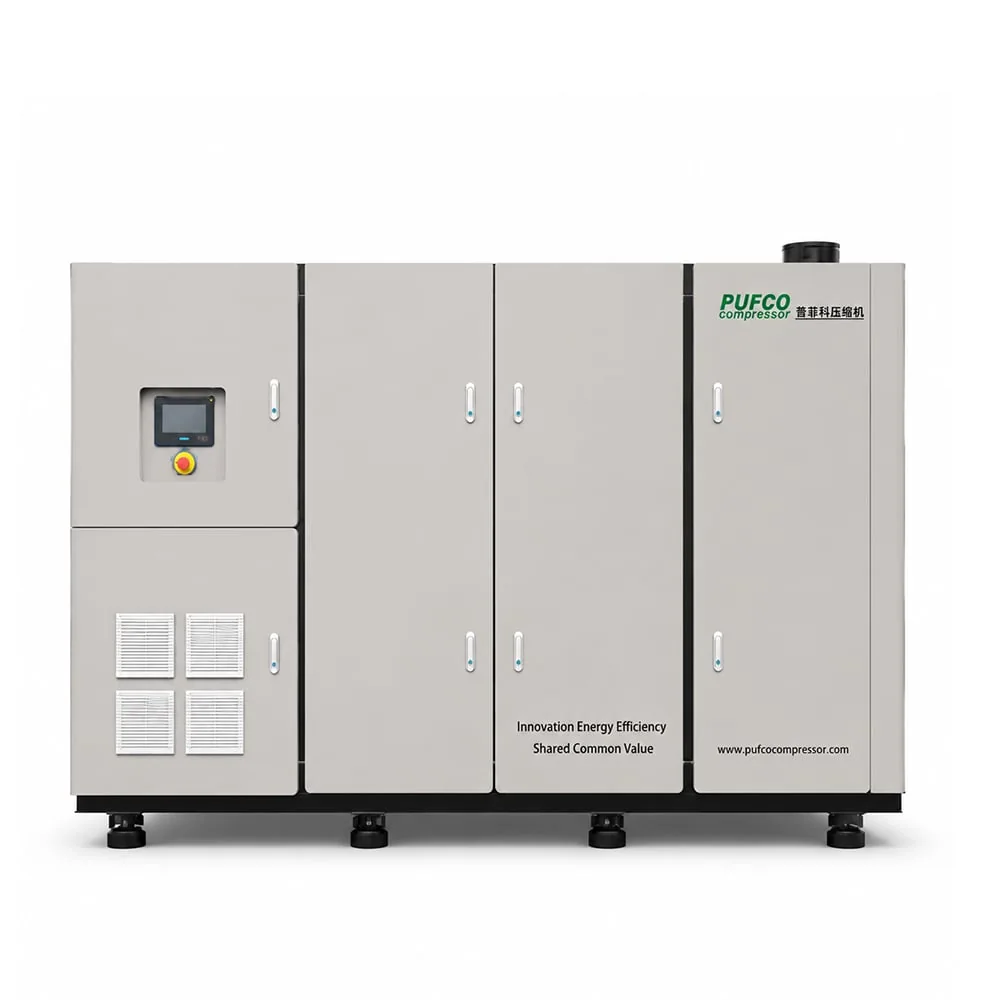
Oil-Injected Screw Vacuum Pump
Power consumption: 4KW-200KW
Pressure: 0.1Mpa
Inlet temperature: 30℃
Pumping speed: 3.5m3/min-149.6m3/min
- Overview
- Product Advantages
- Technical Parameters
- Application Scenarios
- FAQ
- Screw pumping format for industrial vacuum systems
- Multiple pump sizes for different operating duties
- Pump and drive selection coordinated with process demand
- Working absolute pressure and required pumping speed
- Gas composition, moisture and particulate load
- Electrical supply, cooling and agreed equipment scope
Screw Vacuum Pumping Matched to Process Demand
PUFCO oil-injected screw vacuum pumps provide a screw pumping option for industrial vacuum installations. The proposed package brings the pump, drive and operating controls together around the required vacuum duty. Different pump sizes allow the equipment to be selected for the actual working pressure and gas load.
Plan the Pump Around the Complete Installation
Selection considers the gas entering the pump as well as the required evacuation performance. Electrical supply, cooling conditions and moisture or dust handling need to be coordinated with the process. The model proposal defines the pump construction, supplied components and control arrangement for the agreed duty.
Core Design
Configuration and Selection
Send your working pressure, gas load and operating pattern so we can propose a suitable pump configuration.
Why choose our air compressor solutions
Variable-Speed Control Configuration
Where variable-speed control is confirmed for the selected model, pump speed can adjust to changing gas loads within its operating range. This helps coordinate vacuum output with the process demand.
Integrated Motor Configuration
Where the confirmed package includes an integrated permanent-magnet motor, the motor and pump form a coordinated drive assembly. This gives the project a defined motor arrangement for electrical and installation planning.
Matched Vacuum Connections
The inlet and discharge connections are defined around the selected pump and process duty. Confirming their sizes and gas-flow arrangement helps coordinate the pump with the vacuum pipework and connected equipment.
Model-Specific Rotor Arrangement
Where a through-shaft rotor design is confirmed for the selected model, it defines the connection between the pumping element and drive. The confirmed construction provides a basis for mechanical integration and service planning.
Model-Matched Sealing Arrangement
The sealing construction is confirmed for the selected pump model and intended gas duty. A defined seal arrangement helps align the package specification with inspection needs and planned maintenance of the vacuum system.
Multiple Pump Size Choices
A series of pump sizes with different motor and pumping-speed entries supports matching the vacuum package to the installation, with final sizing based on the actual operating point.
| Model | Motor Power (kW) | Atmospheric Pressure (Mpa) | Suction Temperature | Relative humidity | Input Speed (Rpm) | Pumping Speed (M³/min) | Exhaust Temperature (℃) |
| FVZ-7.5 | 7.5 | 0.1 | 30℃ | 60% | 4100 | 4.9 | 170 |
| FVZ-11 | 11 | 0.1 | 30℃ | 60% | 5300 | 7.2 | 170 |
| FVZ-15 | 15 | 0.1 | 30℃ | 60% | 2800 | 10.5 | 170 |
| FVZ-18.5 | 18.5 | 0.1 | 30℃ | 60% | 3000 | 15.7 | 170 |
| FVZ-22 | 22 | 0.1 | 30℃ | 60% | 3600 | 19.1 | 170 |
| FVZ-30 | 30 | 0.1 | 30℃ | 60% | 3000 | 25.8 | 170 |
| FVZ-37 | 37 | 0.1 | 30℃ | 60% | 3600 | 31.1 | 170 |
| FVZ-45 | 45 | 0.1 | 30℃ | 60% | 3800 | 41.9 | 170 |
| FVZ-55 | 55 | 0.1 | 30℃ | 60% | 4400 | 48.9 | 170 |
| FVZ-75 | 75 | 0.1 | 30℃ | 60% | 3300 | 62.8 | 170 |
| FVZ-90 | 90 | 0.1 | 30℃ | 60% | 2800 | 80.9 | 170 |
| FVZ-110 | 110 | 0.1 | 30℃ | 60% | 3300 | 96.8 | 170 |
| FVZ-132 | 132 | 0.1 | 30℃ | 60% | 1900 | 108.6 | 170 |
| FVZ-160 | 160 | 0.1 | 30℃ | 60% | 2300 | 134.5 | 170 |
| FVZ-185 | 185 | 0.1 | 30℃ | 60% | 2700 | 165.3 | 170 |
| FVZ-200 | 200 | 0.1 | 30℃ | 60% | 3100 | 194.6 | 170 |
An oil-injected screw vacuum pump may be considered for central vacuum networks and production equipment with sustained evacuation demand, provided the process is compatible with oil-sealed pumping. Shared systems need capacity for simultaneous users and pipe losses, while cyclic equipment needs the required vacuum within each production cycle. Selection should use the specified operating-pressure curve and gas load, with oil management, inlet protection and exhaust treatment matched to the process.
Frequently Asked Questions
Q1: Is an oil-injected screw vacuum pump suitable for an oil-free vacuum process?
▼A1: An oil-injected pump should not be selected as a dry, oil-free pumping path because oil is used in its pumping mechanism. If the process is sensitive to oil contamination, specify the acceptable contamination level and check oil separation, exhaust handling and measures to prevent oil from migrating back toward the process.
Q2: What suction pressure should I specify when selecting a screw vacuum pump?
▼A2: Specify the required operating suction pressure as an absolute pressure, measured relative to a perfect vacuum. Request the model’s pumping-speed curve at that pressure. Keep the required working pressure separate from the ultimate pressure, which is a limiting test value rather than the normal operating point.
Q3: How do I size a pump for a central vacuum system?
▼A3: Size the pump for the simultaneous gas load at the required absolute pressure, including leakage and losses in the vacuum piping. Provide the equipment operating schedule and piping layout so effective pumping speed and the control arrangement can be checked. Adding motor powers or nominal flow figures alone will not establish the required capacity.
Q4: Can speed control reduce energy use?
▼A4: Speed control can reduce energy use when vacuum demand changes and the selected pump configuration can adjust output efficiently over that range. Compare measured gas demand and operating hours with the proposed control range. Any saving should be assessed against the existing system under comparable conditions, without assuming a fixed percentage.
Q5: Can this pump directly replace my liquid-ring or rotary vane vacuum pump?
▼A5: A direct replacement is possible only if the proposed pump matches the process pressure, gas load and gas-handling requirements. Check moisture, vapors, other contaminants, cooling utilities and exhaust handling before changing the equipment. The replacement may also require changes to inlet protection, piping or controls.
Have more questions about this product? Click the chat icon in the bottom-right corner to contact our team.