 CN

- Overview
- Product Advantages
- Technical Parameters
- Application Scenarios
- FAQ
- Oxygen pressure boosting connects a defined source and receiving system.
- Separated compression gas path helps control added lubricant contamination.
- Package configuration is established for the agreed oxygen supply duty.
- Confirm whether the project requires pipeline boosting or filling.
- Review cooling and control requirements for the proposed model.
- Define site utilities, equipment layout and associated supply scope.
Oil-Free Pressure Boosting Between Source and Receiver
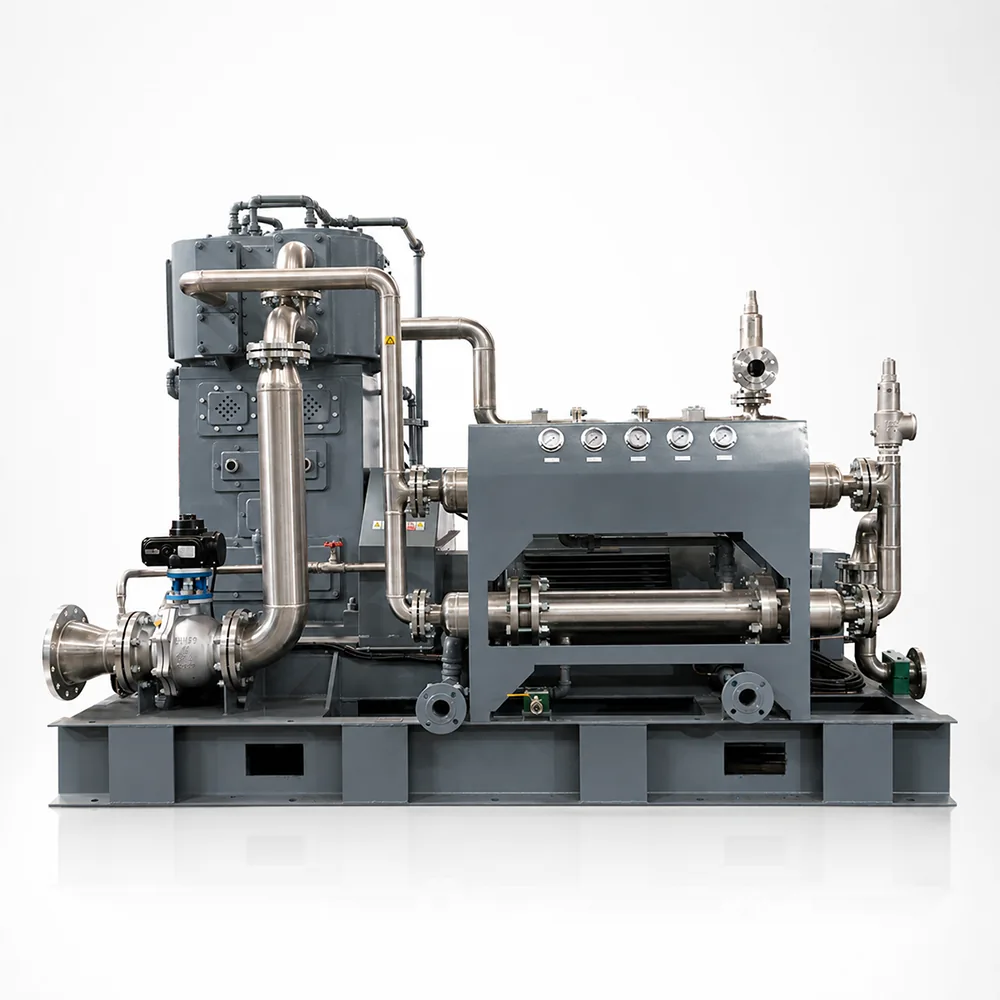
The PUFCO oil-free oxygen compressor provides a pressure-boosting step between an oxygen source and the receiving system. Separation of the compression chamber from lubricated mechanical components helps limit added oil contamination. The proposed machine must be matched to the actual supply duty and oxygen-system requirements.
Define the Package Around the Required Oxygen Duty
Flow, inlet pressure and delivery conditions establish the basis for selecting the package. Electrical supply, cooling, controls and installation layout are specified with the selected model. The equipment arrangement and handling provisions should be reviewed against the project layout before finalizing the compressor and associated supply scope.
Core Design
Configuration and Selection
Please provide intended use, oxygen-source conditions, flow, delivery pressure and installation requirements for review.
Why choose our air compressor solutions
Oxygen Pressure Boosting
The package raises oxygen from the available source pressure to the specified receiving condition. This enables a defined compression step within an oxygen transfer or supply arrangement.
Separated Compression Gas Path
The oxygen compression chamber is separated from lubricated mechanical components. This arrangement reduces the risk of lubricating oil entering the gas path during the pressure-boosting process.
Water-Cooled Package Arrangement
The package uses water cooling to manage heat from oxygen compression. The cooling arrangement is selected with the compressor duty and the water utilities available at the project site.
Pressure And Temperature Supervision
Pressure and temperature monitoring, relief provisions and alarm or shutdown functions form the control arrangement. These features help operators identify and respond to abnormal oxygen-compression conditions.
Skid Handling Provisions
Forklift positions at the base of the compressor skid support equipment handling. They help project teams plan delivery, positioning and the route into the installation area.
Custom System Configuration
Flow, working pressure, electrical supply, cooling and controls can be configured for the project. This helps align the compressor package with the intended supply duty and installation layout.
Technical Specifications
| Model | Gas Medium | Inlet Pressure | Discharge Pressure | Motor Power | Capacity | Voltage | Cooling |
|---|---|---|---|---|---|---|---|
| POW-500/0.2-10 | Oxygen | 0.2 MPa (30 psig) | 10 MPa (1450 psig) | 75 kW | 500 Nm³/h | 220V / 380V / 415V / 440V, 50/60Hz | Water Cooled |
| POW-1500/1.2-1.5 | Oxygen | 1.2 MPa (150 psig) | 1.5 MPa (215 psig) | 30 kW | 1500 Nm³/h | 220V / 380V / 415V / 440V, 50/60Hz | Water Cooled |
| POW-1500/0.5-1.2 | Oxygen | 0.5 MPa (70 psig) | 1.2 MPa (172 psig) | 75 kW | 1500 Nm³/h | 220V / 380V / 415V / 440V, 50/60Hz | Water Cooled |
A low-pressure oil-free oxygen booster is used to raise oxygen from a PSA generator to the pressure required by a downstream distribution network. It can be considered for oxygen-plant upgrades where the existing source has enough flow but needs additional pressure to supply the network. For healthcare projects, select the oxygen-service configuration and complete supply system against the required gas quality, inlet conditions, peak demand and applicable medical-gas requirements.
Frequently Asked Questions
Q1: What should a low-pressure oxygen booster quotation include?
▼A1: It should define the booster's inlet and delivery conditions, controls and connection points, with a clear list of included equipment. Identify responsibility for the oxygen source, buffer storage, gas-quality monitoring and downstream distribution separately. This prevents a booster-only price from being mistaken for a complete oxygen supply system.
Q2: Can a low-pressure oxygen booster work with a PSA oxygen generator?
▼A2: Yes, when the generator's oxygen composition, delivery pressure and available flow match the booster's inlet requirements. PSA means pressure swing adsorption, a gas-separation process used to produce oxygen on site. Confirm the combined system's operating range and controls before selecting equipment.
Q3: Can a low-pressure oxygen booster fill high-pressure cylinders?
▼A3: A low-pressure distribution booster should not be treated as a high-pressure cylinder-filling compressor. Cylinder filling requires equipment specified for the target filling pressure and the complete filling system. Confirm the intended duty before comparing models.
Q4: Does an oil-free oxygen compressor automatically provide medical-grade oxygen?
▼A4: No. Oil-free compression alone does not establish medical gas quality or approval for medical use. The oxygen source, gas-quality monitoring, equipment documentation and complete supply system must meet the requirements for the intended healthcare installation.
Q5: What information is needed to size a low-pressure oxygen booster?
▼A5: Provide the oxygen composition, minimum and maximum inlet pressures, required outlet pressure, average and peak flow, and operating hours. Include the gas-source capacity and conditions at the receiving point. These details allow the booster and its controls to be evaluated for the actual demand.
Have more questions about this product? Click the chat icon in the bottom-right corner to contact our team.