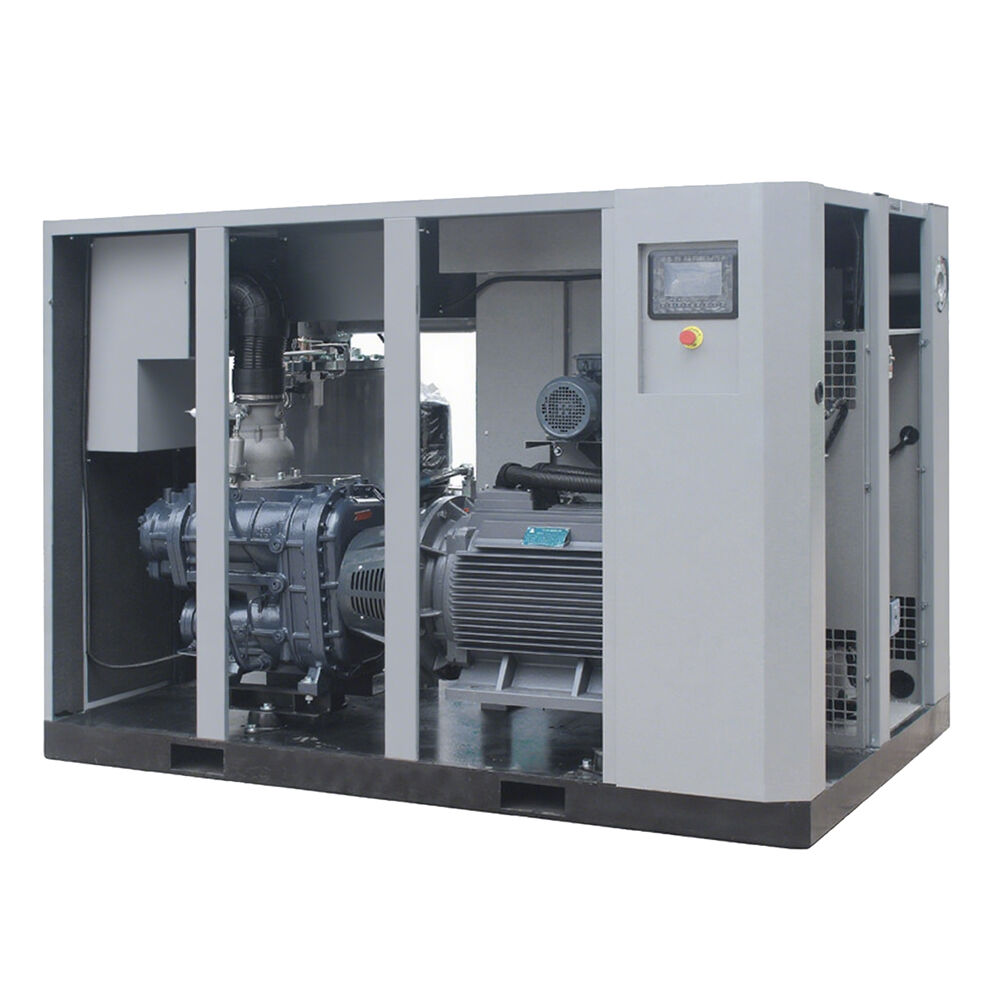
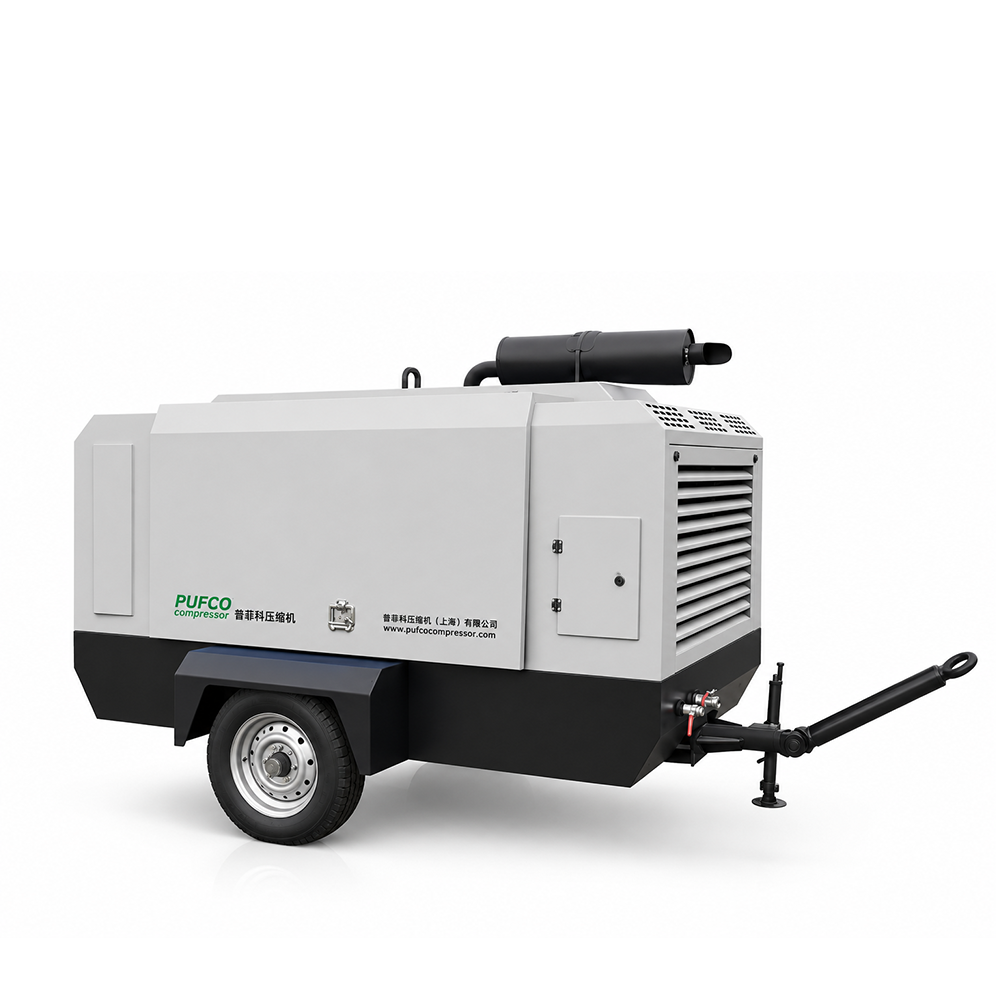
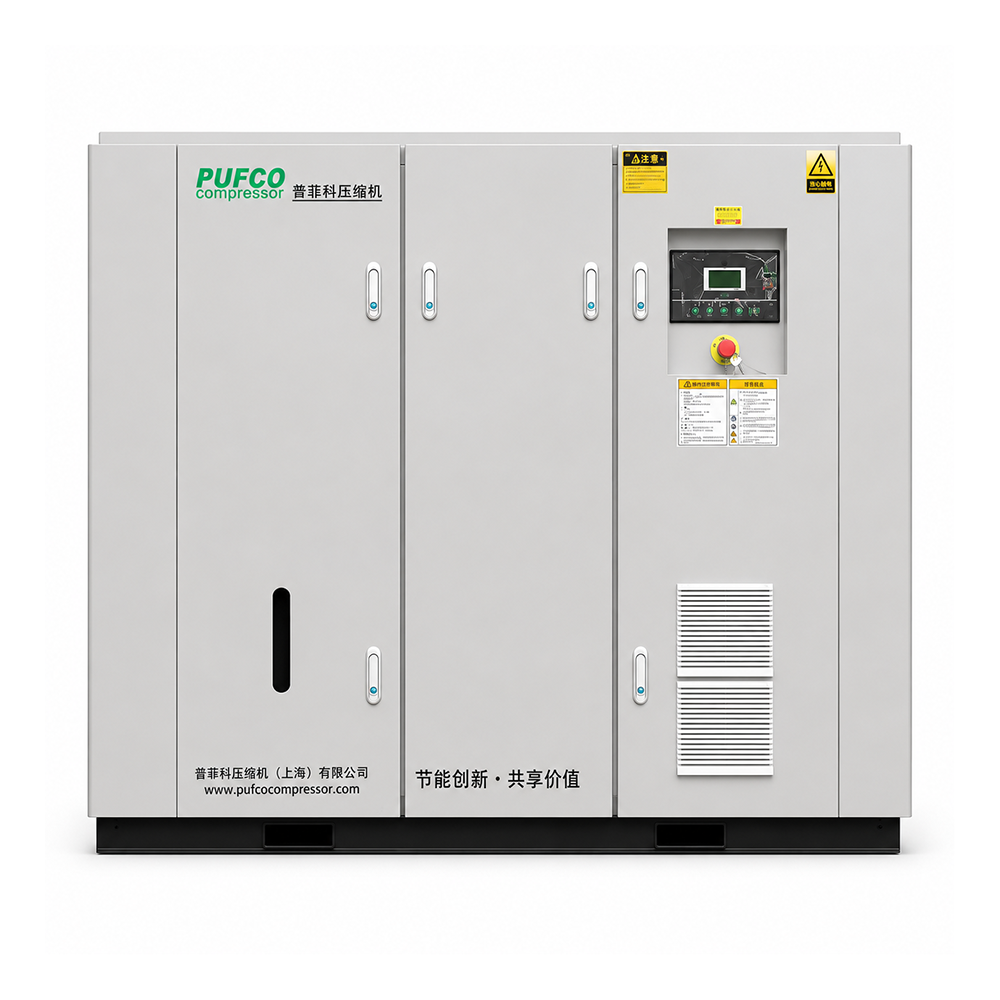
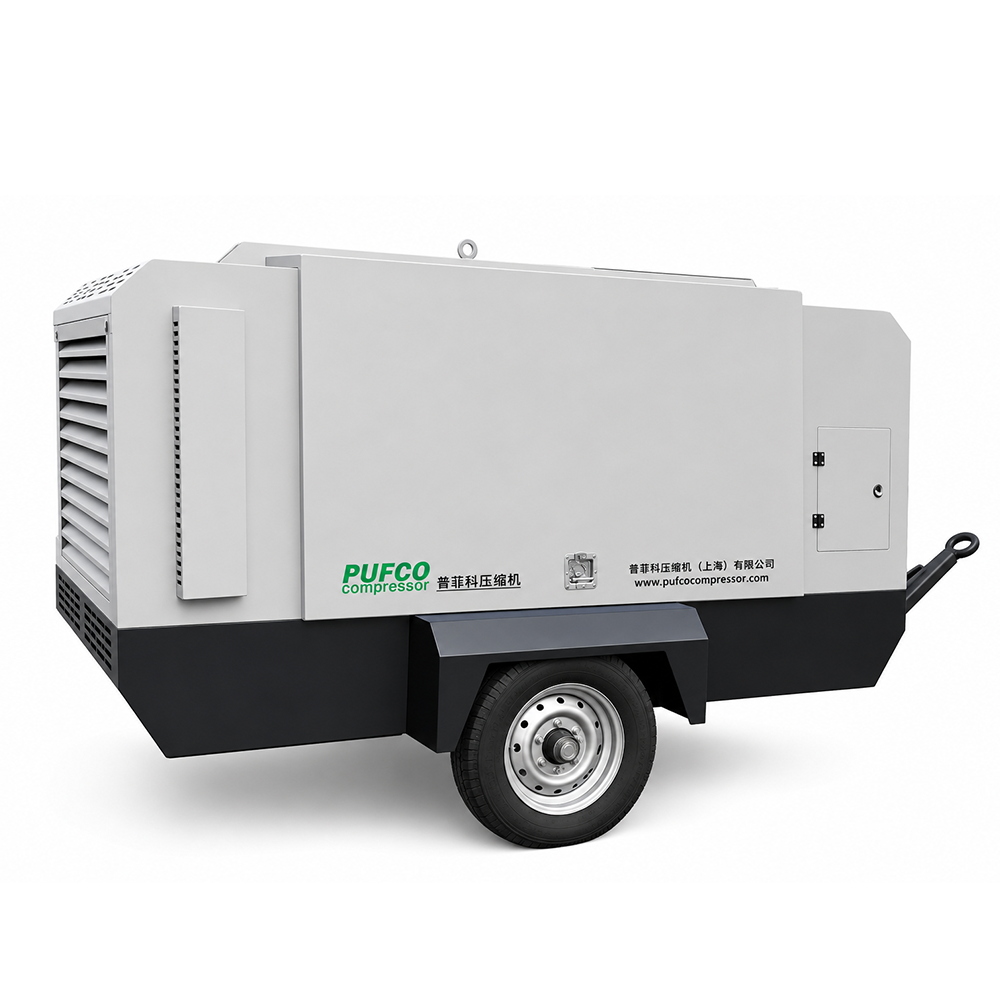
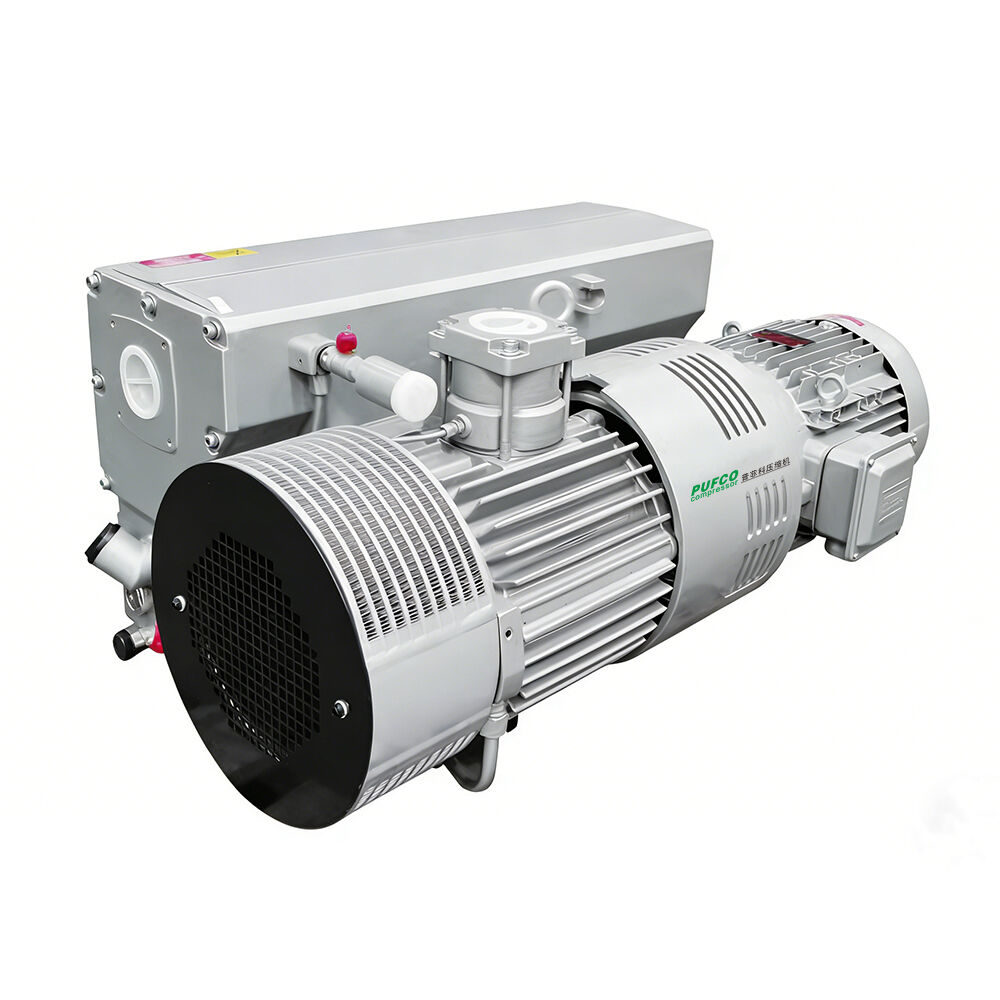
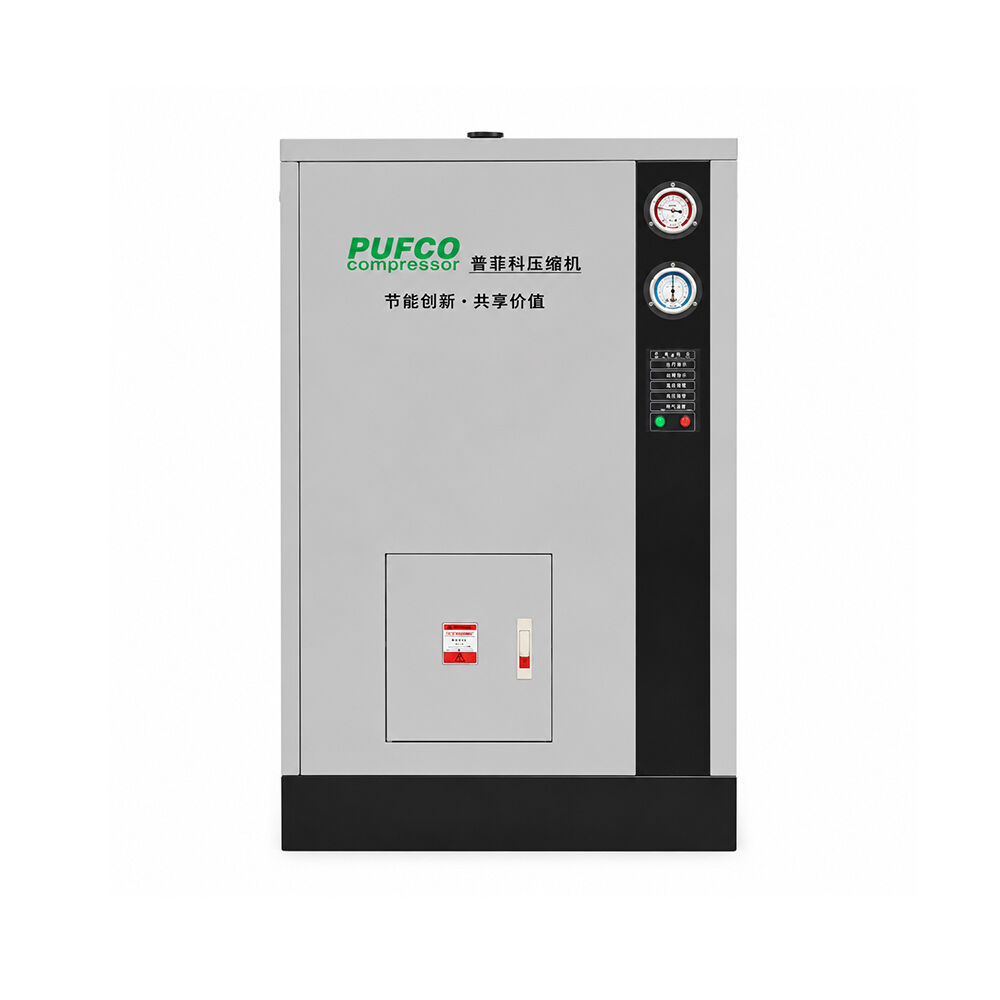
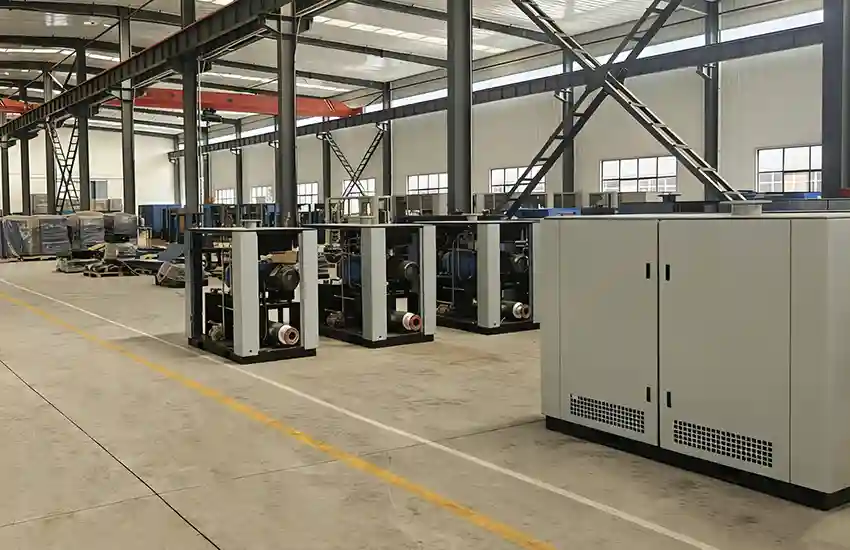
A proper startup test run of air compressors is critical to ensuring equipment safety, stable operation, and extended service life. This guide elaborates on the standard operating procedures, pre-startup inspections, phased test run steps, and key safety precautions for air compressor startup test runs, specifically tailored for industrial users and maintenance personnel. As a professional air compressor manufacturer, PUFOCO (pufcocompressor.com) is dedicated to providing reliable equipment and professional operational guidance.
I. Pre-Startup Preparation: 6 Core Inspections (Mitigate Initial Risks)
Prior to initiating the air compressor, the following six key inspections must be completed to eliminate potential safety hazards and ensure the smooth execution of the test run.
1. Environment & Equipment Appearance Inspection
All debris (including tools, cartons, and other obstacles) within 1 meter of the air compressor shall be cleared to ensure adequate heat dissipation space. This is particularly critical for air-cooled models to prevent air intake blockage and subsequent degradation of heat dissipation efficiency.
The equipment shell and pipelines shall be inspected for deformation or damage. Pressure vessels, such as oil-gas separators and air storage tanks, must be free of rust on their surfaces, and all connecting bolts (including main engine foundation bolts) shall be checked for tightness using a wrench to ensure no loosening.
2. Electrical System Inspection (Prevent Electric Leakage & Phase Loss)
Confirm that the main power switch is in the "off" position. A multimeter shall be used to measure the three-phase voltage, which must be within the range of 5%. The voltage between the neutral line and the ground line shall not exceed 5V to ensure effective grounding.
Motor terminal blocks and contactor connections shall be inspected for firmness, and the insulation layer shall be free of damage. An insulation megger shall be utilized to measure the motor insulation resistance, which must be no less than 0.5MΩ to prevent electric leakage.
Motor phase sequence verification shall be conducted: For newly installed units, a phase sequence meter shall be used to confirm that the power phase sequence is consistent with the motor requirements prior to power supply. This step is essential to prevent motor reversal, which may result in main engine jamming.
3. Lubrication System Inspection (Prevent Dry Friction)
The oil level gauge shall be checked to ensure the air compressor oil level is maintained between the "1/2-2/3" scale (addressing the previously noted "oil level abnormality hazard"). If the oil level is insufficient, supplementary oil shall be added; if excessive, the surplus oil shall be drained. The oil quality shall be clear, free of emulsification and impurities. For new oil, the model shall be verified to match the equipment specifications (e.g., special fully synthetic oil for screw air compressors).
Manual crankshaft rotation shall be performed: After turning off the power, rotate the main engine coupling 2-3 times to ensure uniform hand feel and no jamming. This confirms the absence of mechanical obstruction in the main engine, thereby preventing motor burnout upon startup.
4. Intake & Exhaust System Inspection
The air filter shall be inspected to confirm that the new filter element is properly installed, the filter cartridge is undamaged, and the connecting sealing rubber ring is securely in place. This prevents unfiltered air from entering the main engine, which would accelerate component wear.
The exhaust pipeline shall be inspected to ensure that all valves (including the minimum pressure valve and check valve) are in the "open" position. The pipeline must be free of blockages and leaks, which can be verified by applying soapy water to the joints (no bubbling indicates a secure seal). Additionally, no personnel or flammable materials shall be present at the exhaust port to avoid injury from high-pressure gas.
5. Safety Accessory Inspection (Prevent Overpressure)
The pressure gauge shall be verified to be within its calibration validity period (refer to the preceding safety accessory management guidelines, requiring calibration within 6 months). The pointer shall return to zero, and the dial shall be free of damage.
The safety valve shall have an intact lead seal, be free of rust, and the manual test button shall operate without jamming. This ensures the valve can effectively relieve pressure in the event of overpressure.
The pressure sensor and temperature sensor shall be inspected to ensure secure wiring and no damage, as they provide accurate signals for parameter monitoring during the test run.
6. Control System Inspection
The control power shall be turned on (without starting the main engine). The indicator lights on the control panel shall function normally, and no fault codes shall be displayed.
The loading and unloading pressure settings shall be verified to be reasonable (e.g., loading at 0.6MPa, unloading at 0.8MPa), and the emergency stop button shall be tested to confirm it can promptly cut off the main engine power when activated.
II. Startup Test Run: 2-Stage Operation (From No-Load to Loaded)
The startup test run is divided into no-load and loaded stages, which effectively verify the basic functions and gas production capacity of the air compressor while preventing equipment damage caused by direct loaded startup.
1. No-Load Test Run (10-15 Minutes, Verify Basic Functions)
Power-on and startup: Close the main power switch, press the "Start" button on the control panel, and observe the main engine startup process. There shall be no severe vibration or harsh noise (e.g., metal friction sounds).
Motor rotation direction inspection: For the initial startup, immediately observe the rotation direction of the motor fan, which must be consistent with the arrow marked on the machine shell. If reversal occurs, shut down the equipment immediately to adjust the phase sequence. Motor reversal will result in the main engine failing to intake air and may cause damage to the gearbox.
Parameter monitoring: Record the no-load data, including: ① Motor current (not exceeding 50% of the rated current; e.g., the no-load current of a 75kW motor shall not exceed 80A); ② Oil temperature (gradually rising to 40-50℃ without sudden increases); ③ Oil pressure (0.15-0.3MPa to ensure normal lubricating oil supply).
Abnormal handling: In the event of overcurrent, sudden oil temperature rise, abnormal noise, or other anomalies, press the "Emergency Stop" button immediately and conduct a thorough investigation to identify the cause (e.g., motor phase loss, oil circuit blockage).
2. Loaded Test Run (30-60 Minutes, Verify Gas Production Capacity)
Gradual loading: After confirming normal no-load operation, manually or automatically trigger the loading command (e.g., via the "Load" button on the control panel). Observe the opening process of the intake valve, ensuring the pressure rises slowly and reaches 0.4MPa within 1-3 minutes to avoid pipeline impact caused by sudden pressure surges.
Continuous monitoring: Record key parameters every 5 minutes, including: ① Exhaust pressure (stable at 0.6-0.8MPa without significant fluctuations); ② Exhaust temperature (not exceeding 95℃; shut down the equipment if the temperature exceeds 100℃ and triggers a high-temperature alarm); ③ Oil-gas separator differential pressure (not exceeding 0.1MPa; excessive differential pressure indicates filter element blockage); ④ Motor current (not exceeding the rated current when loaded; e.g., the rated current of a 75kW motor is approximately 150A).
Unloading test: When the pressure reaches the unloading value (e.g., 0.8MPa), confirm that the unit unloads automatically. This is characterized by the closure of the intake valve, opening of the unloading valve, and a reduction in current to the no-load level. No abnormalities, such as failure to reduce pressure or continuous gas production after unloading, shall be present.
III. Shutdown Operation: 3-Step Standard Process (Prevent Pressure Residue)
Standard shutdown procedures are essential to avoid equipment damage caused by residual pressure and to ensure the safety of subsequent maintenance work.
1. Unloading Shutdown
First, trigger the "Unload" command and allow the main engine to operate under no-load conditions for 2-3 minutes (until the oil temperature drops below 60℃). Subsequently, press the "Stop" button to prevent main engine damage caused by shutdown under pressure.
2. Pressure Relief and Exhaust
Prior to turning off the main power, open the blowdown valve at the bottom of the air storage tank to release the compressed air within the tank (reducing the pressure to 0MPa). Simultaneously, discharge any accumulated water in the tank to prevent rust formation.
3. Post-Shutdown Inspection
Turn off the main power, clean oil stains and dust from the equipment surface, and record the test run data (including startup time, parameters for each stage, and any abnormal conditions). A test run report shall be compiled for future reference.
IV. Core Notes (Critical for Error Prevention)
Operation under pressure is strictly prohibited: During the test run, disassembly of pipelines or opening of the oil-gas separator cover is forbidden, as high-pressure gas may cause components to eject and result in personal injury.
Specialized personnel monitoring: The test run shall be conducted by two personnel working in coordination—one operating the control panel and the other monitoring the main engine and air storage tank. Immediate communication and shutdown shall be initiated in the event of any abnormalities.
Shutdown is required for non-compliant parameters: If the exhaust temperature exceeds 95℃, the pressure fails to reach the set value, or the current remains in an overcurrent state during loading, the equipment shall be shut down to investigate the cause (e.g., cooler blockage, intake valve jamming, motor phase loss). Forced operation is strictly prohibited.
Special requirements for new units: For newly installed units undergoing their initial test run, shut down the equipment after 30 minutes of loaded operation. Inspect the oil filter and air filter for impurities (residual metal debris may be present in new equipment), and clean the filters before resuming the test run.
Emergency response: In the event of emergencies such as safety valve tripping, pipeline leakage, or motor smoking, immediately cut off the main power, evacuate surrounding personnel, and conduct an investigation only after the pressure has been fully released.
PUFOCO (pufcocompressor.com) emphasizes that standard startup test run operations are the foundation for the safe and stable operation of air compressors. Should you have any questions regarding air compressor operation, maintenance, or equipment selection, please contact our professional team for assistance. We are committed to providing high-quality air compressor products and comprehensive after-sales services.
 Hot News

 CN
CN