When evaluating industrial air compression solutions for your facility, the screw vs. centrifugal compressors debate stands as one of the most critical decisions affecting operational efficiency, energy costs, and long-term productivity. Both technologies deliver reliable compressed air, but their design principles, performance characteristics, and optimal operating ranges differ dramatically. Choosing the wrong compressor type can lead to excessive energy consumption, frequent maintenance, and unnecessary capital expenditure—especially when scaled to match your production demands. This comprehensive guide breaks down the key differences between screw and centrifugal compressors, helping you identify which technology aligns best with your specific production scale and operational requirements.
Understanding the Core Technologies
Screw Compressors: Positive Displacement Workhorses
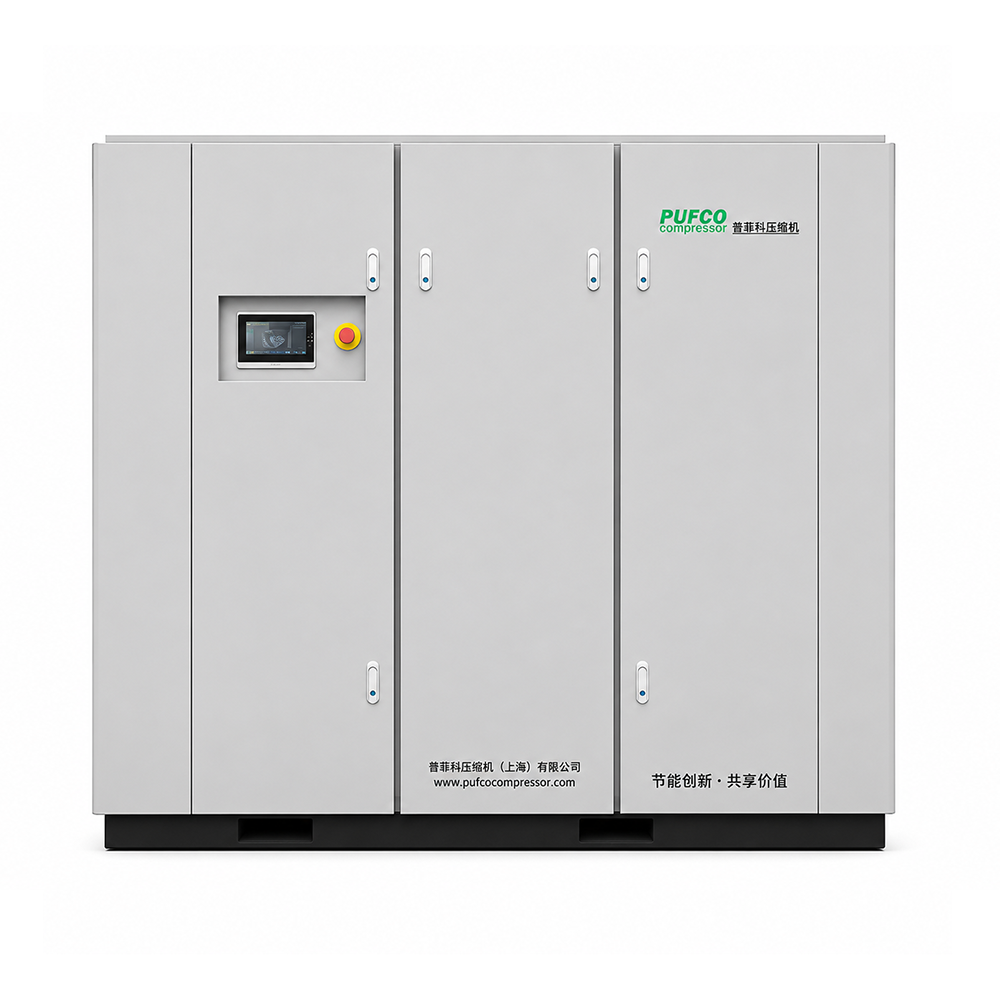
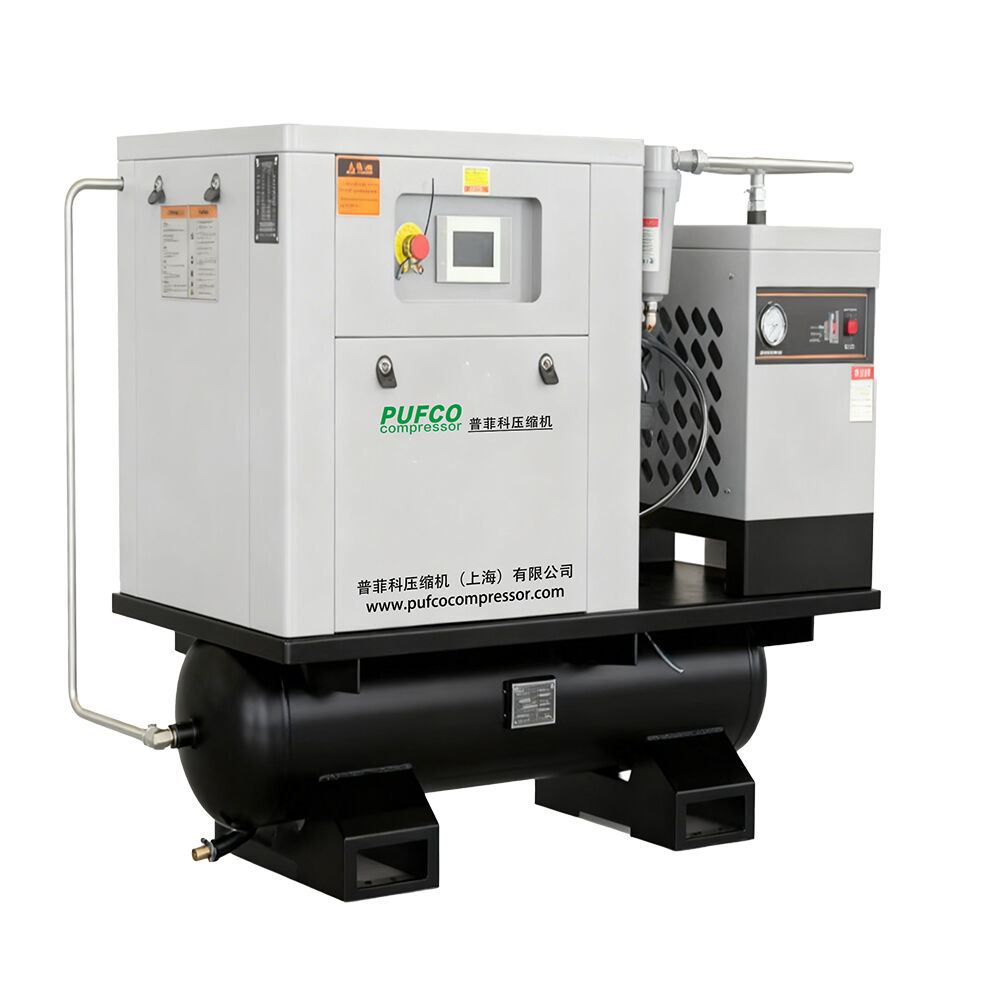
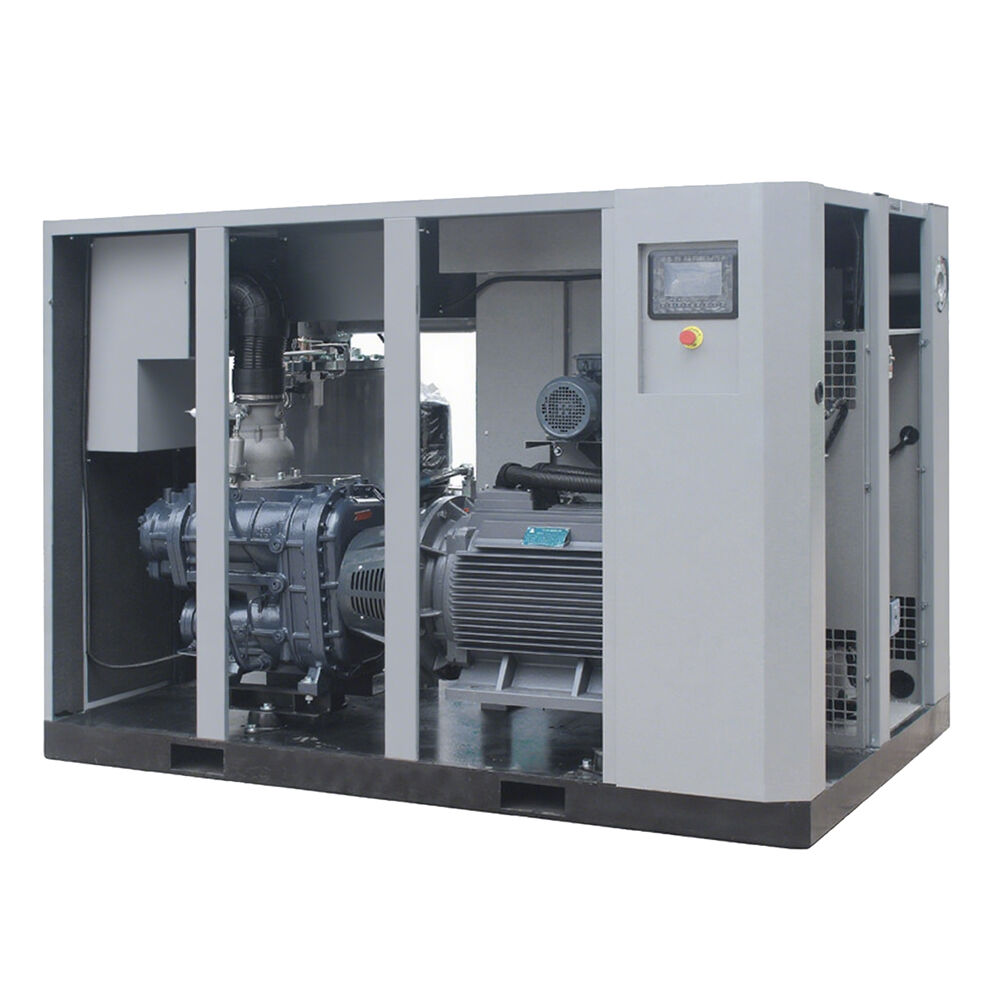
Screw compressors operate on the positive displacement principle, using two intermeshing helical rotors (screws) to compress air. As the rotors turn, they trap air between their threads, reducing the volume of the air pocket as it moves from the suction side to the discharge side of the compressor. This continuous compression process delivers a steady, pulsation-free airflow.
Modern screw compressors come in two main configurations: oil-injected (the most common) and oil-free. Oil-injected models use lubricating oil to seal gaps between rotors, cool the compression process, and reduce mechanical friction. They are highly efficient at partial loads and offer excellent turndown ratios, typically ranging from 25% to 100% of rated capacity with variable speed drive (VSD) technology.
Centrifugal Compressors: Dynamic Compression Powerhouses
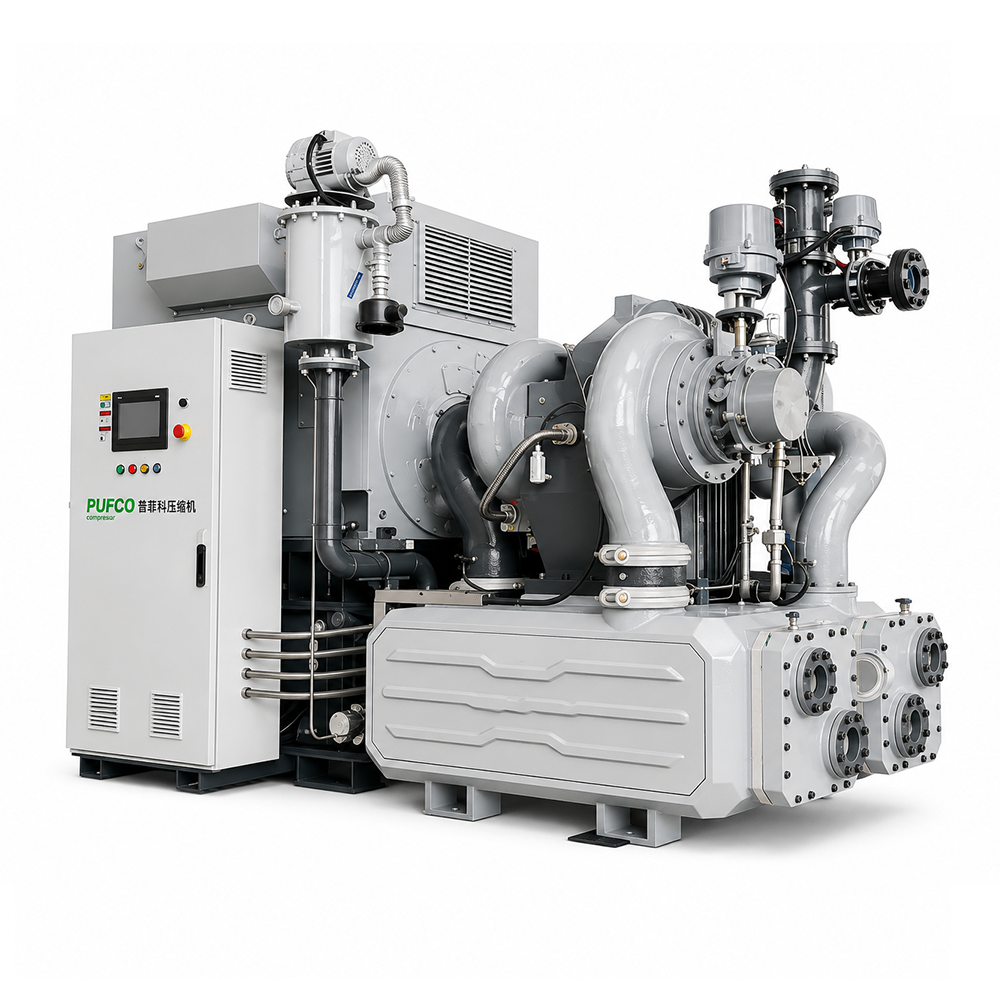
Centrifugal compressors, also known as turbo compressors, use dynamic compression to generate air pressure. They feature one or more impellers rotating at extremely high speeds (often exceeding 20,000 RPM) that accelerate incoming air to high velocities. The air then passes through a diffuser, where its kinetic energy is converted into pressure energy.
These compressors are designed for continuous, high-volume operation and are typically oil-free, making them ideal for applications requiring pure compressed air. Unlike screw compressors, centrifugal models have a narrower optimal operating range and are less efficient at partial loads, though advanced surge control systems have improved their turndown capabilities in recent years.
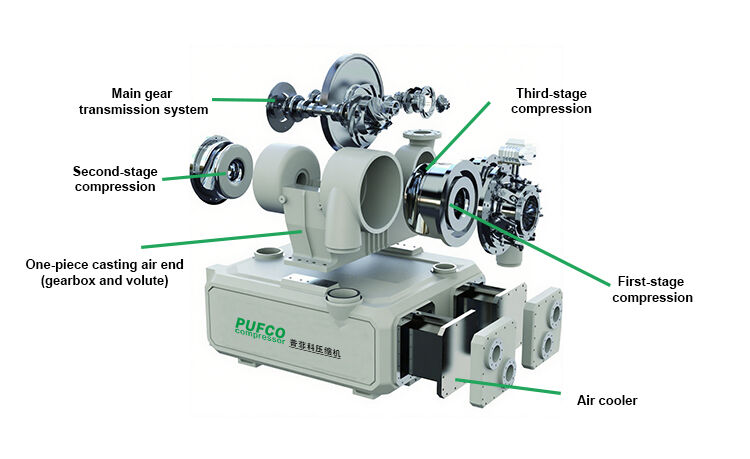
Quick Comparison Table: Screw vs. Centrifugal Compressors
Feature |
Screw Compressors |
Centrifugal Compressors |
Compression Principle |
Positive displacement (intermeshing rotors) |
Dynamic (impeller acceleration) |
Optimal Capacity Range |
10-1,500 CFM (single unit) |
1,000-100,000+ CFM |
Best Operating Pressure |
80-150 PSI (up to 600 PSI with boosters) |
100-150 PSI (multi-stage up to 1,000 PSI) |
Energy Efficiency |
Excellent at partial loads; 60-75% isentropic efficiency |
Superior at full load; 70-85% isentropic efficiency |
Turndown Ratio |
25-100% (with VSD) |
50-100% (advanced models) |
Initial Capital Cost |
Lower for capacities under 1,000 CFM |
Higher upfront investment |
Maintenance Requirements |
Regular oil changes, filter replacements; 8,000-hour service intervals |
Less frequent maintenance; 20,000-40,000-hour major service intervals |
Footprint |
Compact; smaller footprint per CFM at lower capacities |
Larger footprint; requires more installation space |
Noise Level |
70-85 dB(A) (with enclosure) |
80-95 dB(A) (requires sound attenuation) |
Oil Content in Air |
3-5 ppm (oil-injected); <0.01 ppm (oil-free) |
100% oil-free |
Lifespan |
15-20 years (with proper maintenance) |
20-30 years (with proper maintenance) |
Matching Compressor Technology to Your Production Scale
Small to Medium Production Facilities (10-1,000 CFM)
For small to medium-sized manufacturing operations, workshops, and processing plants with compressed air demands between 10 and 1,000 CFM, screw compressors are almost always the superior choice.
Their compact design allows for easy installation in existing facilities without requiring major renovations. The lower initial capital cost makes them accessible for businesses with moderate budgets, while their excellent partial-load efficiency perfectly matches the variable demand patterns typical of smaller production lines.
VSD screw compressors, in particular, excel in environments where air demand fluctuates throughout the day. They automatically adjust their speed to match actual air usage, reducing energy consumption by up to 35% compared to fixed-speed compressors. This makes them ideal for facilities with multiple shifts, seasonal production variations, or intermittent equipment operation.
Additionally, screw compressors offer greater flexibility for future expansion. You can easily add multiple units to create a modular compressed air system that grows with your business, rather than investing in a single oversized compressor that operates inefficiently at partial load for years.
Large Production Facilities (1,000-5,000 CFM)
The 1,000 to 5,000 CFM range represents the crossover zone where both screw and centrifugal compressors can be viable options, depending on your specific operational characteristics.
If your facility has highly variable air demand or operates multiple production lines that run independently, a bank of VSD screw compressors may still provide better overall efficiency. This modular approach allows you to stage compressors based on real-time demand, ensuring that each unit operates near its optimal efficiency point.
However, if your production runs continuously with relatively stable air demand (fluctuations of less than 20%), a single centrifugal compressor may offer better long-term value. While the initial investment is higher, centrifugal compressors deliver superior full-load efficiency and have lower maintenance costs over their extended lifespan.
For facilities in this range, a hybrid system combining both technologies can often provide the best of both worlds. A base-load centrifugal compressor handles the constant minimum air demand, while smaller screw compressors kick in during peak demand periods. This configuration maximizes energy efficiency while maintaining the flexibility to handle variable loads.
Very Large Industrial Operations (5,000+ CFM)
For very large manufacturing plants, refineries, chemical processing facilities, and power generation operations with compressed air demands exceeding 5,000 CFM, centrifugal compressors are the clear industry standard.
At these scales, the superior full-load efficiency of centrifugal technology translates into significant energy savings that quickly offset the higher initial capital cost. A single centrifugal compressor can deliver the same amount of air as multiple screw compressors, reducing the number of units that need to be maintained and monitored.
Centrifugal compressors also offer better scalability for extremely large operations. Multi-stage centrifugal units can be configured to deliver very high pressures and flow rates, making them suitable for the most demanding industrial applications. Their long service intervals and extended lifespan further reduce total cost of ownership (TCO) over decades of continuous operation.
Additionally, the oil-free nature of centrifugal compressors is critical for many large-scale industrial processes that require pure compressed air, such as pharmaceutical manufacturing, food and beverage production, and electronics assembly.
Beyond Production Scale: Other Critical Factors to Consider
While production scale is the primary determinant in the screw vs. centrifugal compressors decision, several other factors should influence your final choice:
Air Quality Requirements
If your application requires 100% oil-free compressed air, centrifugal compressors provide a more reliable and cost-effective solution than oil-free screw compressors. Centrifugal technology inherently produces oil-free air without the need for complex oil removal systems, reducing maintenance costs and the risk of oil contamination.
Energy Costs
In regions with high electricity rates, energy efficiency becomes even more critical. For facilities with stable, high-volume demand, centrifugal compressors' superior full-load efficiency will deliver greater long-term savings. For facilities with variable demand, VSD screw compressors will likely provide better overall energy performance.
Maintenance Capabilities
Screw compressors require more frequent maintenance but are generally easier to service, with many routine tasks able to be performed by in-house maintenance teams. Centrifugal compressors have longer service intervals but require specialized knowledge and tools for major overhauls, often necessitating service from factory-trained technicians.
Future Expansion Plans
If you anticipate significant growth in your production capacity over the next 5-10 years, it's important to consider how your compressed air system will scale. Screw compressors offer more flexible, incremental expansion, while centrifugal compressors require larger upfront investments but can handle greater future capacity increases.
Making the Right Decision for Your Business
The choice between screw and centrifugal compressors ultimately depends on aligning the technology's strengths with your specific operational needs. Screw compressors excel in small to medium-scale operations with variable demand, offering lower upfront costs, compact design, and excellent partial-load efficiency. Centrifugal compressors shine in large-scale, continuous operations with stable demand, delivering superior full-load efficiency, lower maintenance costs, and 100% oil-free air.
For most facilities under 1,000 CFM, screw compressors are the clear choice. For operations above 5,000 CFM, centrifugal compressors are almost always the better option. In the crossover range between 1,000 and 5,000 CFM, a detailed analysis of your demand profile, energy costs, and future expansion plans will help you determine which technology—or combination of technologies—will provide the lowest total cost of ownership.
Before making a final decision, we recommend conducting a comprehensive compressed air audit of your facility. This audit will measure your actual air demand patterns, identify potential energy savings, and help you design a compressed air system that is perfectly sized and optimized for your production scale.
If you would like a free assessment of your compressed air system and a bespoke quotation tailored to your factory’s production scale, please feel free to contact our team of industrial air compressor technical experts. We will provide you with a bespoke solution within 24 hours.
 Hot News
2026-06-12
2026-06-12
2026-06-09
2026-06-09
2026-06-06
2026-04-17


 CN
CN