 CN
CN
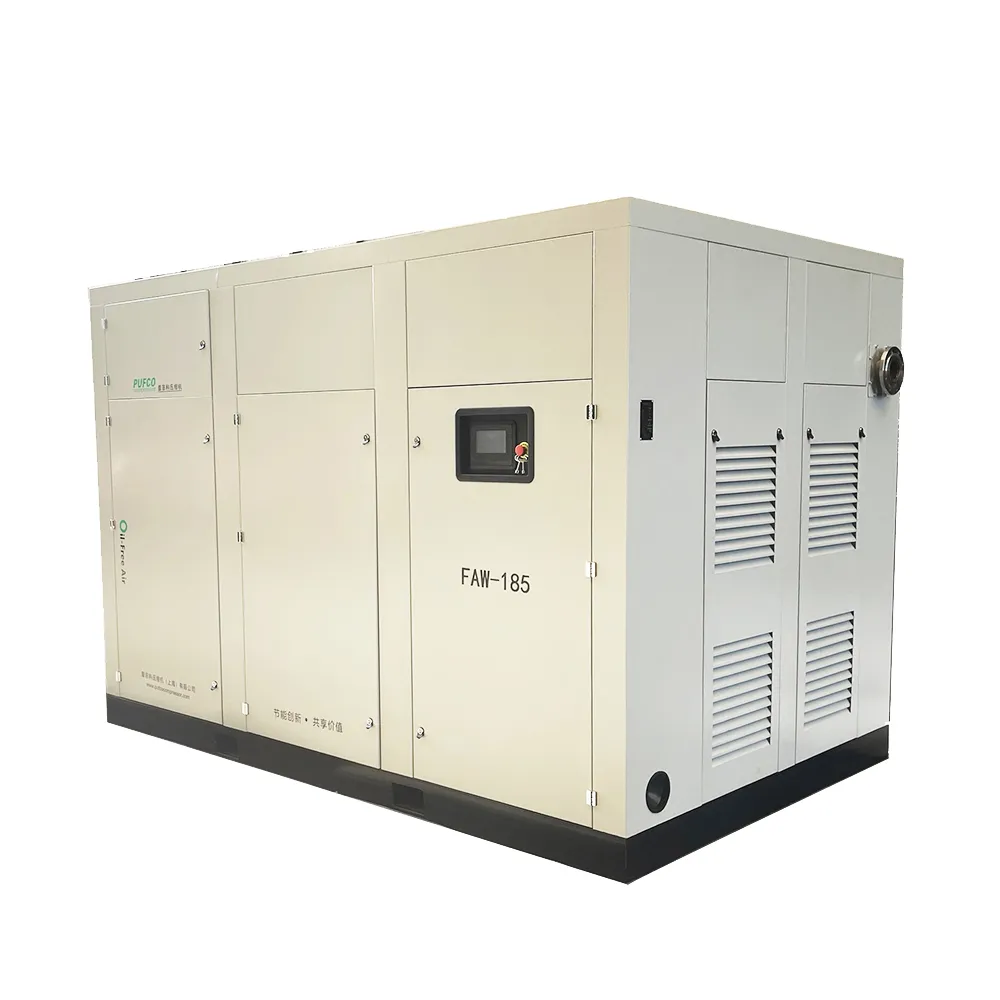
Regulatory Mandates: Why Oil-Free Air Compressors Are Essential for FDA, EMA, and ISO 8573-1 Class 0 Compliance
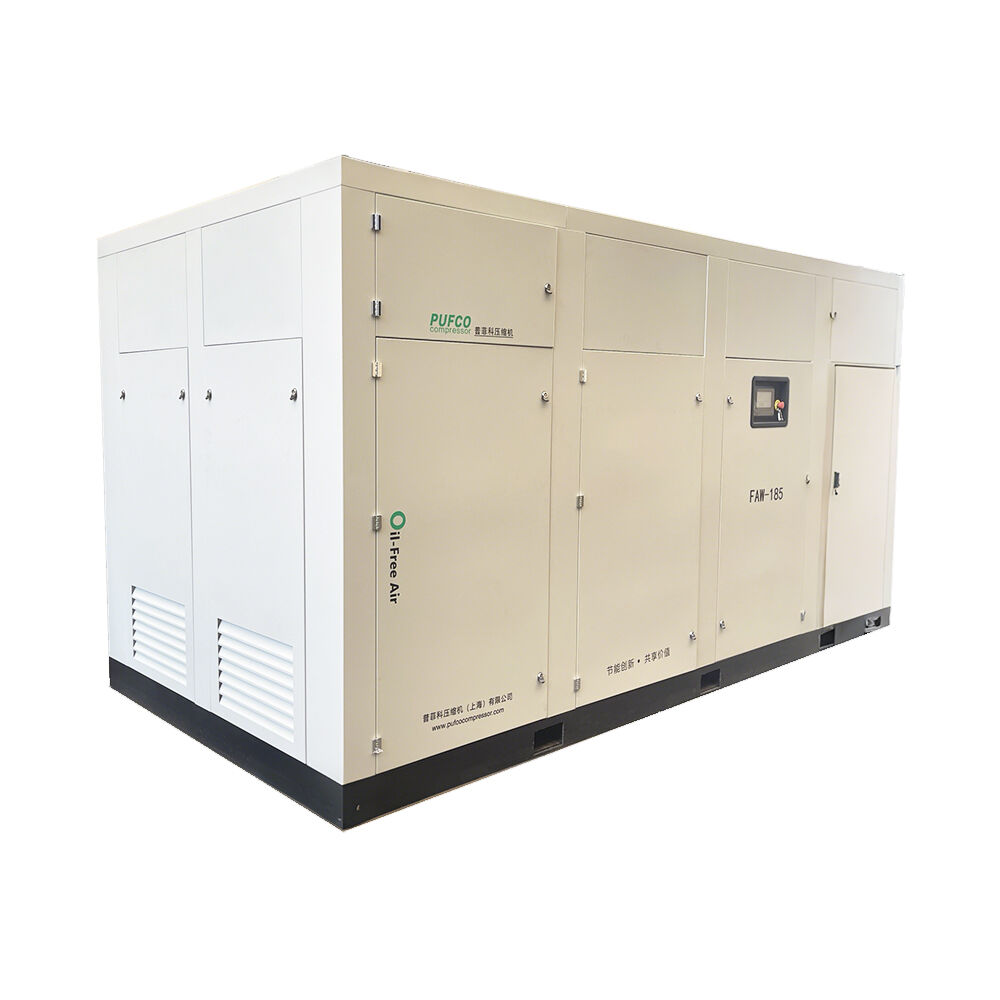
ISO Class 0 Certification Explained: The Gold Standard for Pharmaceutical-Grade Compressed Air
The ISO Class 0 certification stands at the top of the purity scale according to ISO 8573-1 standards. To get this certification, manufacturers must conduct full flow B1 testing to make sure there's absolutely no detectable oil present in the compressed air system. This includes checking for all forms of oil contamination whether it's liquid, aerosol particles, or even vapor traces. The difference between this and what some call "technically oil free" options (which fall under ISO Class 1) is significant. Real oil free compressors keep residual oil levels well below 0.01 mg per cubic meter of air. That's considered the gold standard for pharmaceutical grade air quality. Maintaining such high purity matters a lot when dealing with products that come into direct contact with patients. Think about injectable medications, vaccine production lines, and sterile packaging processes where even tiny amounts of hydrocarbons could compromise both the product quality and ultimately patient health and safety.
Audit Risks and Regulatory Consequences: How Oil Residues Trigger FDA 483s and EMA Non-Conformities
The problem with oil injected compressors is they release residual oil at levels as high as 5 mg per cubic meter, which is actually 500 times what's allowed under ISO Class 0 standards. When this happens even briefly, those hydrocarbons get stuck all over things like medicine vials, tablet coatings, and freeze dried products. This obviously violates both FDA regulations in 21 CFR Part 211 and EMA's Annex 1 guidelines. These kinds of mistakes are pretty common too. According to the Ponemon Institute from last year, about a quarter of all drug recalls happen because of such issues, costing companies around 740 thousand dollars on average to fix. And let's face it, if there's any failure in air quality during inspections, regulators will slap them with an FDA Form 483, an EMA non conforming report, or worst case scenario shut down production completely. That makes investing in oil free technology much more than just checking off compliance boxes. It's really about protecting against serious business risks.
Critical Pharmaceutical Processes Requiring True Oil-Free Air Compressors
Aseptic Manufacturing: Vial Washing, Stoppering, Lyophilization, and Cleanroom Air Supply
Sterility is absolute when it comes to aseptic processing, and that starts with oil-free air being essential throughout the operation. When washing vials, compressed air does the job of drying those glass surfaces. But if there are oil residues left behind, they actually create spots where microbes can stick due to their hydrophobic nature. The stoppering process presents another challenge since air-driven cylinders work inside Grade A cleanrooms. Oil aerosols here aren't just bad news for maintaining sterile conditions, they pose direct risks to product integrity too. For lyophilization processes, compressed air controls the pressure within vacuum chambers. Even tiny amounts of hydrocarbons can trigger protein oxidation and aggregation problems that ruin delicate biologic materials. Cleanroom air systems need to hit two key standards simultaneously: ISO 5 for particulates and ISO 8573-1 Class 0 specifications. Why? Because something as small as an oil droplet measuring at least 0.5 micrometers becomes a breeding ground for microbes in injectable products according to medical air quality guidelines.
Solid Dosage Production: Pneumatic Conveying, Fluid Bed Drying, and Tablet Compression Tooling
In powder processing operations, keeping hydrocarbons out is absolutely critical. When pneumatic systems move active pharmaceutical ingredients (APIs) through production facilities, even trace amounts of oil can wreak havoc on product stability. We've seen cases where oil contamination not only speeds up API degradation but also creates serious cross-contamination problems between different batches. The situation gets worse with fluid bed dryers, which work by suspending granules in hot air streams. Any residual oil tends to make particles stick together, resulting in uneven drying patterns and dosage inconsistencies that no one wants to deal with later. Tablet compression equipment relies on precise air blasts to eject finished products from molds. Lubricant residue left behind often causes visible surface defects, compromises coatings, and ultimately leads to failed dissolution tests during quality checks. That's why many manufacturers now specify oil-free compressors capable of maintaining less than 0.01 mg/m³ hydrocarbon levels throughout their entire operation cycle. These systems eliminate those pesky failure points and save companies from the headache and expense of rejected batches down the line.
Oil-Free vs. Oil-Injected Compressors: Technical Validation of Zero Oil Carryover Risk
Oil free compressors can hit those really low oil levels, sometimes under 0.01 mg per cubic meter of air, which meets what's called Class 0 standards according to ISO 8573-1. That standard basically means there's practically no oil left in the system. On the flip side, oil injected models will often show readings around 5 mg per cubic meter even when they have those fancy multi stage filters. Why? Because these machines work by putting oil right into the compression chamber itself. This creates tiny oil particles and vapors that just slip past whatever filters might be installed. Independent tests back this up too. Class 0 systems go through what's known as full flow B1 testing, checking both the air stream and looking at deposits inside pipes. Oil injected units usually only need to pass the simpler B2 test. When we're talking about applications like sterile filling processes or freeze drying operations, where regulations demand measurements down to parts per trillion, this huge difference of 500 times matters a lot. It's not just numbers on paper either. In reality, this difference determines whether a product gets approved for market or gets sent back to the drawing board.
Engineering Excellence: Design Principles That Guarantee ISO 8573-1 Class 0 with Oil-Free Air Compressors
Oil free compressors work by keeping oil completely out of the compression process so no lubricants ever get mixed into the air stream. These machines use special designs like water sealed rotary screws or scrolls coated with ceramics to keep the airflow separate from bearings and seals where oil would normally be present. For temperature control, manufacturers have developed better systems involving liquid cooled intercoolers and segmented heat dissipation methods that stop things from getting too hot without needing oil based cooling solutions. Parts made from wear resistant materials such as bearings impregnated with PTFE and stainless steel rotors that are specially hardened help these compressors last longer when running continuously in GMP environments. The industry has really focused on making sure these components can handle constant operation while maintaining product quality standards.
The verification process sticks to what's considered the strictest method according to ISO 8573-1 standards. We're talking about full flow B1 testing throughout the whole system, from pipes and valves right down to all those components after the main equipment. The goal here is getting consistently low readings, ideally under 0.01 mg per cubic meter. Why does all this matter so much? Well, even tiny amounts of oil residue that regular tests might miss can ruin whole product batches when it comes to things like sterile filling operations or freeze drying processes. From what we see in actual practice, there really isn't another way to get that absolute guarantee of no carryover contamination that meets requirements set by the FDA, European Medicines Agency, and other international pharmaceutical standards organizations around the world.
FAQ
What is ISO Class 0 certification?
ISO Class 0 certification stands at the top of the purity scale according to ISO 8573-1 standards and guarantees that there's absolutely no detectable oil in the compressed air system.
Why is oil-free compressed air important in pharmaceuticals?
Oil-free compressed air is crucial in pharmaceuticals to prevent contamination, ensuring product quality and compliance with FDA and EMA regulations.
What are the risks of using oil-injected compressors?
Oil-injected compressors can release residual oil, leading to contamination that violates regulations, resulting in product recalls, regulatory consequences, and costly fixes.
Table of Contents
- Regulatory Mandates: Why Oil-Free Air Compressors Are Essential for FDA, EMA, and ISO 8573-1 Class 0 Compliance
- Critical Pharmaceutical Processes Requiring True Oil-Free Air Compressors
- Oil-Free vs. Oil-Injected Compressors: Technical Validation of Zero Oil Carryover Risk
- Engineering Excellence: Design Principles That Guarantee ISO 8573-1 Class 0 with Oil-Free Air Compressors
- FAQ

