 CN
CN
Oil-Free Air Compressors: Cornerstone of Sterility and Regulatory Compliance in Pharmaceutical Manufacturing
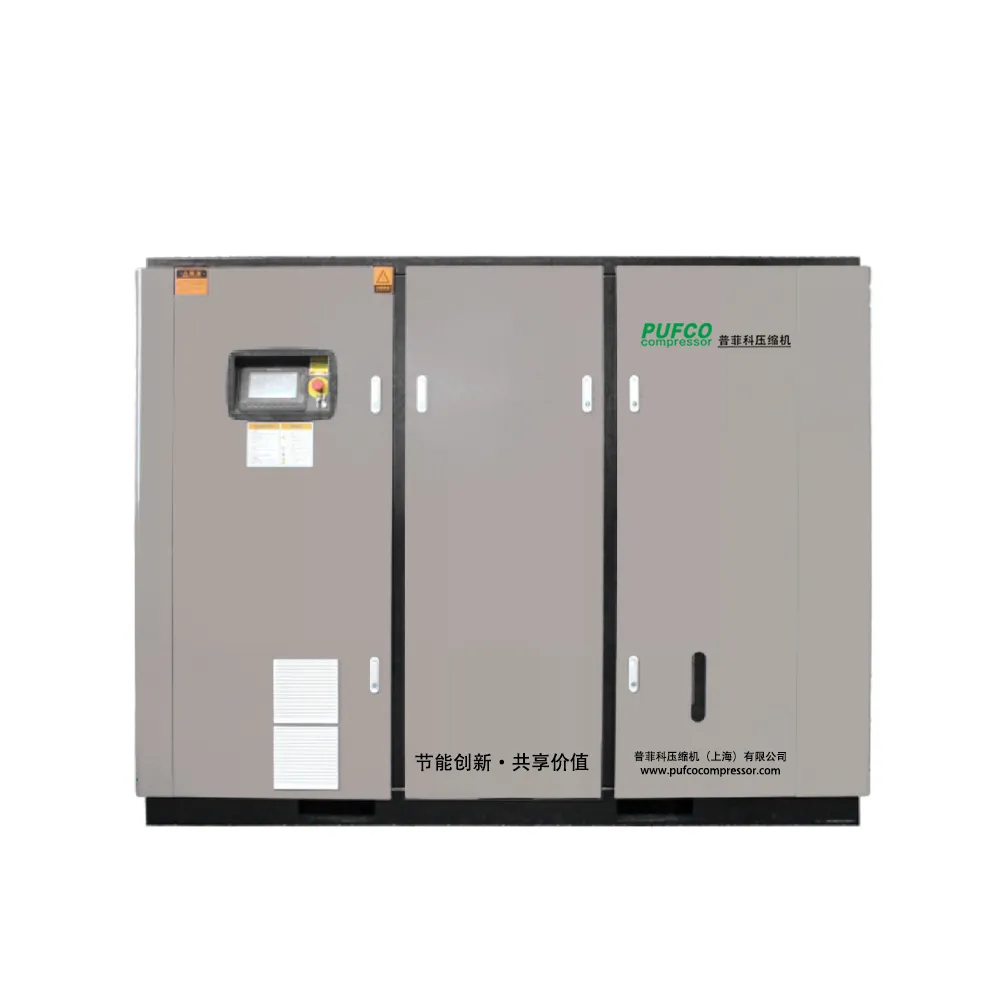
ISO 8573-1 Class 0 Certification as the Non-Negotiable Standard
The ISO 8573-1 Class 0 certification basically sets the gold standard for clean air when it comes to making medicines. It requires absolutely no trace of oil contamination whatsoever, whether we're talking about tiny particles floating around, vapor smells, or any liquid getting through. Oil-free compressors are actually better than their oil-lubricated counterparts because they cut out the problem right from the start instead of just trying to filter out contaminants later on. These filters do break down over time after all. For companies dealing with sterile products like injections, eye drops, or things people breathe in, this matters a lot. Both EU regulations and FDA guidelines specifically mention Class 0 as something non-negotiable for keeping things germ-free during production. Most big pharma players have jumped on board with Class 0 requirements for their important air systems now. And let's face it, regulators don't take violations lightly either. According to last year's Pharma Compliance Report, companies caught with contaminated air systems typically end up paying fines well over half a million dollars each time, plus they have to fix everything and often stop production until they pass inspection again.
Real-World Impact: How Oil-Free Air Compressors Prevented a Sterile Filling Line Contamination Event
Back in early 2023, one of the big names in vaccine production noticed something strange while checking their sterile filling line's compressed air supply. Their system had those top-of-the-line ISO 8573-1 Class 0 certified oil-free compressors with real time particle and hydrocarbon sensors built right in. Turns out the weird readings came from a faulty intake filter further back in the system, not from anything going wrong with the compressors themselves. They acted fast though, isolating the issue before any bad batches could make it through to the final packaging stage. This saved them around $740k that would have gone toward recalling products, plus weeks worth of work redoing validations, and possibly delaying when the World Health Organization might approve emergency use. And here's the kicker – during the next FDA inspection, there were no corrective actions needed at all. This incident really highlights why getting rid of oil at the source, combined with constant monitoring, makes air quality management so much more than just ticking boxes for regulations. It becomes part of everyday quality control instead.
Food and Beverage Processing: Eliminating Contamination and Recall Risks
HACCP and FDA 21 CFR Part 110 Requirements Driving Oil-Free Air Compressor Adoption
According to FDA regulations (21 CFR Part 110) and HACCP guidelines, compressed air counts as a food contact surface whenever it's used during packaging operations, pneumatic conveying systems, mixing processes, or bottle rinsing applications. Auditors always check for traces of oil aerosols and hydrocarbon residues in these areas, and when problems pop up, facilities typically get hit with non-conformance reports citing section 110.35(a)(2) about failing to keep things sanitary. Looking at actual plant data from across the industry, around 7 out of 10 microbial contamination incidents in RTE facilities seem linked back to poor quality compressed air. Most commonly, this happens because coalescing filters have worn out over time or because lubricants break down in older oil-flooded compressor models. Oil-free compressors solve this problem right from the start since they produce Class 0 air that can be verified without needing those maintenance sensitive filters. From an HACCP standpoint, this means compressed air no longer needs to be treated as a potential risk factor in hazard analysis. Instead, it becomes a solid Critical Control Point where operators can count on consistent performance every single time.
Cost-Benefit Reality: Avoiding $2.3M Average Recall Costs vs. Upfront Investment
Looking at the numbers tells us pretty clearly why oil-free tech makes sense financially. Food recalls typically run around $2.3 million just for direct costs, not counting all the legal stuff, damage to brand reputation, and losing valuable shelf space. Imagine what happens when even a small amount of hydrocarbon gets into the air system of a dairy powder plant or bakery operation. Whole batches get contaminated, which means pulling products off shelves under Class I recall rules. Oil-free compressors actually fix the problem at its source lubricant getting into the system rather than just trying to catch it later with filters and tests. Plants that made the switch have seen about 60% fewer issues showing up during FDA checks and almost no unexpected production halts caused by failed air system validations. Spread out over ten years, these systems end up costing significantly less overall compared to their oil-based counterparts. We're talking around 35% savings when factoring in everything from avoiding those expensive recalls to spending less on replacement filters and saving money on energy thanks to better pressure management.
Electronics and Semiconductor Manufacturing: Protecting Precision with Oil-Free Air Compressors
Sub-Micron Cleanroom Integrity and Particle-Sensitive Assembly Processes
Controlling airborne molecular contamination (AMC) is absolutely critical in semiconductor fabrication since even tiny traces of hydrocarbons can mess up nanoscale manufacturing processes. Cleanrooms rated ISO Class 1 through 5 have strict limits on particles larger than 0.1 microns. However, traditional oil-lubricated compressors actually create problems by releasing volatile organic compounds (VOCs). These VOCs form particles, leave coatings on photomasks, and disrupt atomic layer deposition techniques. Oil-free air compressors meeting ISO 8573-1 Class 0 standards completely solve this issue by providing air that contains no oil aerosols, vapors or condensable hydrocarbons. A major semiconductor foundry saw real results when they swapped out their old oil-flooded systems throughout wafer handling and lithography tools. Defect rates dropped dramatically from 0.15% down to under 0.02%. This translated into around $18 million saved each year in improved yields. Looking at it practically, Class 0 air isn't just another expense item on the balance sheet but rather essential infrastructure that supports core manufacturing operations.
Aerospace and Medical Device Manufacturing: Critical Applications Demanding Zero Oil Carryover
For manufacturers in aerospace and medical device industries, compressed air goes way beyond being just another utility line item. It actually becomes part of what makes their products work properly. Take aircraft turbine blades for instance – those tiny cooling channels need absolutely clean air because any leftover oil can ruin special coatings that protect against heat damage over time. The same applies to things like hydraulic systems testing or making composite parts. And don't forget about surgical implants either. When companies polish titanium knees and hips before they leave the factory, they rely on compressed air too. Even microscopic traces of oil can cause problems during critical tests and lead to rejected products down the road. Post-compression filtering doesn't cut it either since filters wear out, leaks happen, and checking everything costs money while disrupting operations. That's where oil-free compressors certified under ISO 8573-1 Class 0 come in handy. These machines eliminate contamination risks right from the start, giving manufacturers peace of mind about product quality. Such systems align well with industry standards like AS9100D and ISO 13485 requirements for sterile devices. Considering the Ponemon Institute reported an average recall cost of around $740,000 per incident in aerospace alone last year, investing in cleaner air solutions makes both business sense and safety sense.
| Failure Risk by Industry | Consequence of Oil Contamination | Prevention Requirement |
|---|---|---|
| Aerospace | Engine turbine microfractures | Zero hydrocarbon air |
| Medical Devices | Implant rejection or infection | Biocompatible surfaces |
FAQs about Oil-Free Air Compressors in Various Industries
What is the importance of ISO 8573-1 Class 0 certification?
The ISO 8573-1 Class 0 certification is crucial as it ensures the air used in production processes is free from oil contamination, which is critical for maintaining product sterility and adherence to regulatory standards such as EU and FDA guidelines.
How do oil-free air compressors benefit the pharmaceutical industry?
In the pharmaceutical industry, oil-free air compressors eliminate the risk of contamination from oil residues, ensuring that sterile products remain uncontaminated, which is essential for compliance with regulatory standards and for avoiding costly recalls and fines.
Why is clean air important in food and beverage processing?
In food and beverage processing, clean air is necessary to avoid microbial contamination. Oil-free compressors help maintain sanitary conditions, reducing the risk of product recalls and ensuring compliance with FDA and HACCP regulations.
What are the financial advantages of using oil-free compressors?
Using oil-free compressors can lead to significant cost savings by preventing product recalls, reducing maintenance needs, and improving energy efficiency. Over time, they often result in a net saving compared to oil-lubricated compressors.
How do oil-free compressors impact electronics and semiconductor manufacturing?
In electronics and semiconductor manufacturing, oil-free compressors prevent airborne molecular contamination, which can disrupt nanoscale manufacturing processes. This leads to improved yields and substantial cost savings.
What role do oil-free compressors play in aerospace and medical device manufacturing?
Oil-free compressors are vital in aerospace and medical device manufacturing as they provide contaminant-free air crucial for maintaining the integrity and functionality of products like turbine blades and surgical implants.
Table of Contents
- Oil-Free Air Compressors: Cornerstone of Sterility and Regulatory Compliance in Pharmaceutical Manufacturing
- Food and Beverage Processing: Eliminating Contamination and Recall Risks
- Electronics and Semiconductor Manufacturing: Protecting Precision with Oil-Free Air Compressors
- Aerospace and Medical Device Manufacturing: Critical Applications Demanding Zero Oil Carryover
-
FAQs about Oil-Free Air Compressors in Various Industries
- What is the importance of ISO 8573-1 Class 0 certification?
- How do oil-free air compressors benefit the pharmaceutical industry?
- Why is clean air important in food and beverage processing?
- What are the financial advantages of using oil-free compressors?
- How do oil-free compressors impact electronics and semiconductor manufacturing?
- What role do oil-free compressors play in aerospace and medical device manufacturing?

