 CN
CN
Why Air Purity Drives the Oil-Free Air Compressor Decision
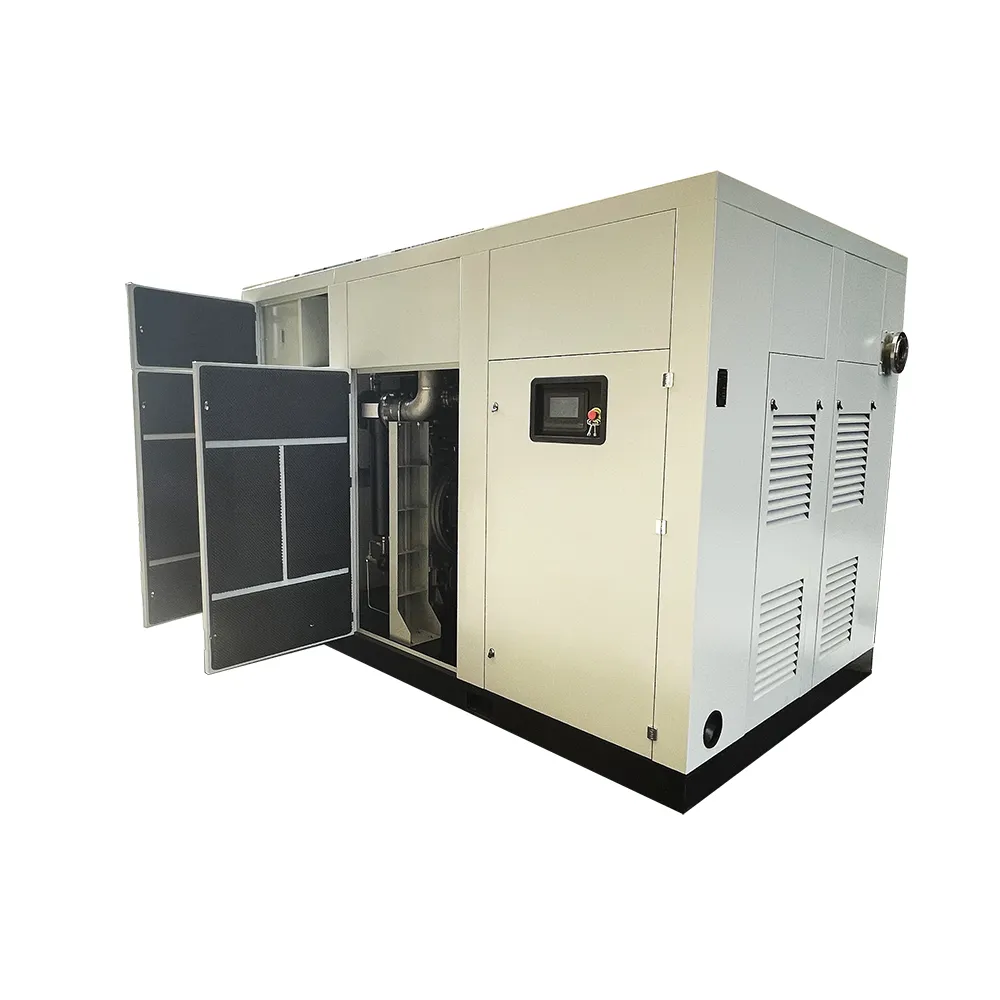
ISO 8573-1 Class 0 Certification: The Non-Negotiable Standard for Contamination-Sensitive Industries
Pharmaceutical production and electronic component manufacturing demand extremely clean air environments. The ISO 8573-1 standard for Class 0 certification requires absolutely no detectable oil particles in compressed air systems, measuring exactly 0.00 mg per cubic meter. This is actually stricter than Class 1 standards which allow 0.01 mg/m³. In cleanrooms used for making semiconductors or producing sterile medications, even tiny amounts of oil mist can ruin entire batches of products, lead to costly rework, or completely undermine the sterility guarantees needed for medical applications. When working in these critical environments, Class 0 isn't just something companies aim for as a goal. It represents the baseline minimum that manufacturers have to meet if they want to prevent any kind of contamination from entering their production processes right at the beginning stage.
Real-World Risks of Oil Carryover in Food, Pharma, and Medical Manufacturing
Contamination from oil presents serious problems in many industries where regulations apply. The food processing world knows this all too well, since even small amounts of hydrocarbons (just over 0.5 parts per million) have led to massive recall costs running into millions each time they happen. When it comes to pharmaceutical manufacturing, things get really complicated because lubricants might actually react with medicines themselves, changing how stable or effective those drugs are. This kind of issue often results in official warnings from the FDA or worse situations requiring court-ordered fixes. For hospitals trying to sterilize surgical tools properly, oil residue becomes a major obstacle as it protects bacteria from getting killed during steam or ethylene oxide treatments, putting patients at unnecessary risk. Oil-free compressor technology offers a different approach compared to traditional systems that inject oil and then try to clean it up later through filters. These newer systems stop oil contamination right at the source, which means no worrying about leftover particles or dealing with the constant hassle of replacing and validating filters.
How True Oil-Free Air Compressor Technology Achieves Guaranteed Class 0
Teflon-Coated Rotors, Ceramic Bearings, and Water-Injected Cooling Explained
Oil free air compressors reach true Class 0 status when they remove oil completely throughout the entire compression process. The rotors are coated with Teflon so there's no direct metal touching each other without any lubricant needed. Ceramic bearings handle both heat stress and heavy rotation forces without breaking down or releasing gases over time. For water injected versions, clean water does two important jobs at once it cools things down and acts like a moving seal between parts, keeping everything efficient without letting in unwanted hydrocarbon contaminants. What makes these different from what some call "technically oil free" systems? Those often still have oil lubricated components like gearboxes or shaft seals before the actual air path starts. Only compressors built with absolutely no oil anywhere in their design truly block all possible routes where oil might get into the system.
Beyond the Compressor: Why System-Level Sealing and Validation Are Essential
Class 0 air quality cannot be assured by the compressor alone. A holistic, system-level approach is required:
- Stainless steel piping networks, electropolished and welded, prevent corrosion-induced particulate shedding and eliminate thread-sealant contamination
- Zero-lubricant instrumentation, including diaphragm-actuated valves and dry-gauge pressure sensors, removes secondary oil introduction points
-
Quarterly air purity validation, conducted per ISO 8573-1 Annex C protocols, confirms ongoing compliance—with typical testing costs ranging $2,000–$5,000 per event
Without these integrated controls, even best-in-class oil-free compressors risk exceeding 0.01 mg/m³ due to post-compression contamination, underscoring that Class 0 is a validated system outcome—not just a compressor specification.
Total Cost of Ownership: Debunking the Upfront-Cost Myth
Capex vs. Lifetime Opex: Maintenance, Downtime, and Filtration Savings with Oil-Free Systems
Oil free compressors generally come with about 15 to 25 percent higher price tag at purchase, but look at the big picture and they start saving money after around three years in operation. The savings just keep growing as time goes on too. These machines cut out all those ongoing costs related to managing oil. No need for regular oil changes, replacing filters, or dealing with hazardous waste disposal issues anymore. Maintenance bills go down somewhere between 40 and 60 percent when switching to oil free models. And let's talk about unexpected breakdowns which often happen because of problems with oil such as blocked separators or bearings getting too hot from poor lubrication. Those kinds of issues basically disappear. For manufacturing facilities running non stop operations where every hour lost costs upwards of fifteen thousand dollars, this kind of reliability makes all the difference for keeping production lines moving and protecting profit margins. Another major advantage is that oil free systems don't require the complicated filtration setup needed by traditional oil injected compressors if they want to reach Class 1 air quality standards. This means lower initial equipment costs and also saves money on energy consumption over the long haul.
The Hidden $15k–$40k Filtration Premium for Oil-Injected Units Targeting Near-Class 1 Air
Oil-injected compressors aiming for ≈0.01 mg/m³ oil aerosol levels require complex, costly filtration cascades: coalescing filters ($2,000–$5,000), vapor removal units, and activated carbon towers. These systems incur 5–7 psi pressure drops—increasing energy consumption by 8–12%—and accumulate $15,000–$40,000 in lifetime costs from:
- Quarterly filter replacements ($600–$1,200 per change)
- Annual carbon media renewal ($3,000–$7,000)
- Energy penalties ($2,500–$5,000/year)
Maintenance complexity also inflates labor requirements, while residual contamination risk remains inherent—no filter achieves true Class 0. This hidden premium erodes the perceived cost advantage of oil-injected systems, particularly in applications where regulatory compliance demands zero tolerance.
Selecting the Right Technology by Application and Regulation
Deciding whether to go with oil-free or oil-injected air compressors really depends on what specific needs the application has. Food processing plants, pharma companies, and medical equipment makers need ISO 8573-1 Class 0 certification because there can't be any detectable oil contamination at all. That means only genuine oil-free compressors will work in these settings from both a technical standpoint and regulatory perspective. When looking at regular industrial uses where compressed air touches non-critical parts or just moves through ambient spaces, oil-injected models might seem okay initially. But operators should know they'll face extra expenses for filters and higher energy bills just to get close to meeting Class 1 standards. The rules back this up too. Regulations like FDA Title 21 CFR Part 11 and EU GMP Annex 1 focus heavily on risk management and keeping contaminants out, which naturally pushes manufacturers toward oil-free options since they simplify validation processes and cut down potential failure points. As we look forward, things are changing fast across the globe. Standards organizations are getting stricter with their ISO requirements while governments ramp up enforcement of GMP and HACCP guidelines. For businesses wanting to stay ahead of the curve, investing in oil-free systems now makes sense if they want to keep pace with how quality expectations are shifting toward better process control and protecting end users.
FAQ Section
- What is ISO 8573-1 Class 0 certification? ISO 8573-1 Class 0 certification is the highest air quality rating, requiring no detectable oil particles in compressed air systems.
- Why is contamination-free air important in industries like pharmaceuticals? In contamination-sensitive industries, even small amounts of oil can ruin products, cause costly recalls, and compromise regulatory compliance.
- How do oil-free compressors differ from oil-injected ones? Oil-free compressors remove oil entirely from the process, while oil-injected ones require complex filters to approach similar purity levels.
- Are oil-free compressors more cost-effective long-term? Yes, while initially more expensive, oil-free compressors reduce maintenance, operational, and filtration costs over time.
- How do changes in global standards impact the use of compressors? Increasingly stringent standards drive the shift toward oil-free compressors to ensure compliance and protect end users.

