 CN
CN
Why Class Oil-Free Air Compressor Is Non-Negotiable for Food Safety
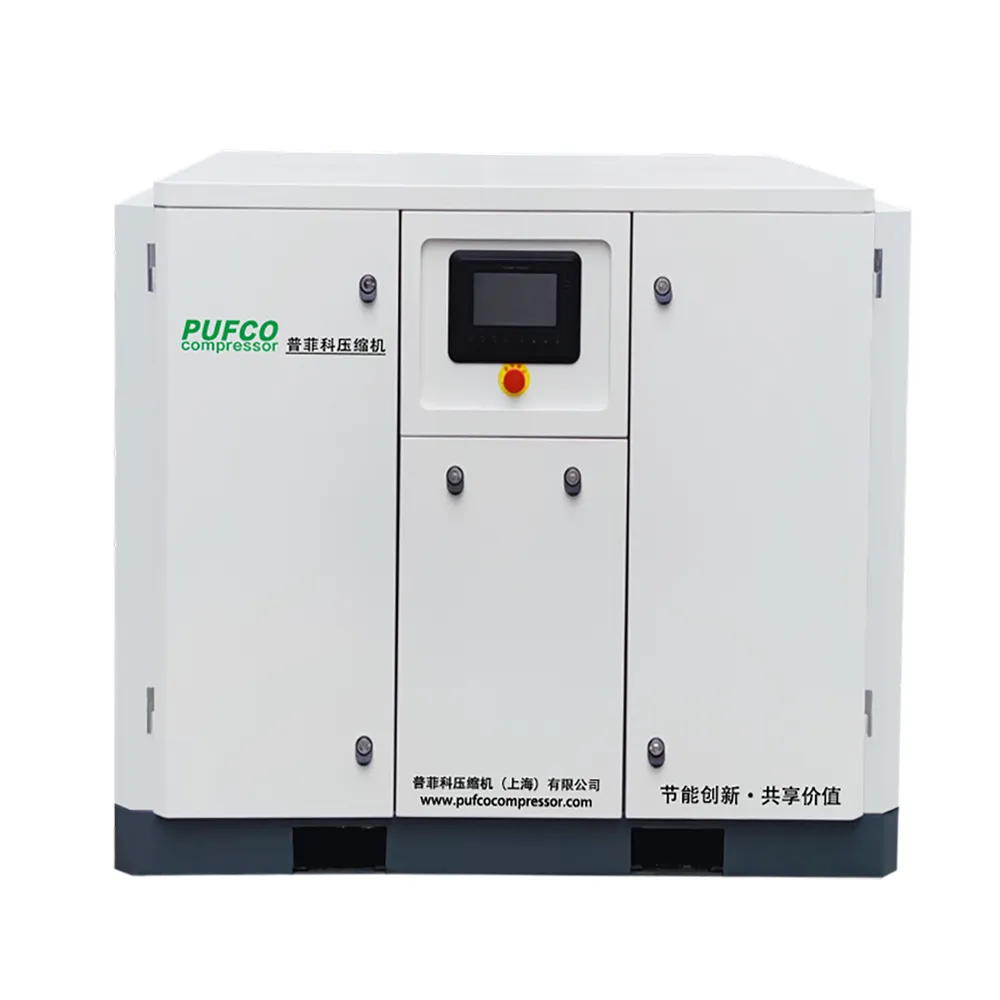
ISO 8573-1 Class 0 Explained: Zero Tolerance for Oil Contamination
Class 0 under ISO 8573-1 is basically the gold standard when it comes to compressed air purity standards. The specs here are way tougher than what Class 1 requires with its 0.01 mg/m³ oil limit. When manufacturers talk about "zero tolerance," they don't mean absolutely no oil at all. Instead, it means oil concentrations need to be so low that modern testing equipment can't actually detect them in practice. This matters because only genuine oil-free compressors can meet these standards. Those "technically oil-free" systems that rely on filters just won't cut it in the long run. Filters get worn out over time, sometimes let stuff through by accident, or simply stop working altogether. Real oil-free tech takes a different approach by getting rid of the oil source completely from the start.
Real-World Risks: Product Recalls, Regulatory Penalties, and Brand Damage from Airborne Oil
Compromised air purity poses immediate, measurable threats to safety, compliance, and reputation:
- A 2022 dairy recall tied to oil-contaminated packaging air cost $740k (Ponemon Institute, 2023)
- FDA violations under FSMA Rule 117 averaged $83k per incident in 2023
- 78% of consumers abandon brands after contamination scandals (Food Safety Magazine, 2023)
These outcomes stem from microscopic oil aerosols entering products via process air—risks inherent in lubricated systems, even with filtration. Verified Class 0 oil-free compressors remove that vulnerability by design, making them foundational—not optional—for hygienic production.
Regulatory Compliance: Aligning Oil-Free Air Compressors with FSMA, GFSI, and BRCGS
Meeting stringent regulatory standards is non-negotiable for food and beverage producers. Using non-compliant compressed air invites enforcement action, recalls, and operational disruption.
FSMA Rule 117 & Preventive Controls: How Verified Air Purity Supports Hazard Analysis
The Food Safety Modernization Act (FSMA) Rule 117 specifically addresses compressed air that comes into contact with food products as a significant risk factor that needs proper control measures. Oil free systems have proven effective at reducing this particular threat since they completely remove the possibility of lubricants getting into the air stream. For FDA audits, facilities need to show documentation about their ISO 8573-1 Class 0 certification. This typically includes independent testing results that prove hydrocarbon levels stay under 0.01 mg per cubic meter. Plants without these verifications are looking at serious problems during inspections, potentially facing Form 483 notices or even product recalls. Looking at recent data from the 2023 FDA enforcement report, almost one third (32%) of all food recall cases were linked to environmental issues, with many involving oil particles floating through damaged air systems.
GFSI-Benchmarked Standards : Air Quality Verification Requirements
GFSI's 2024 compliance data identified inadequate utility system validation—including compressed air—as the root cause of 76% of non-conformities. Certified oil-free compressors eliminate hydrocarbon risks at the source, significantly reducing validation complexity and long-term compliance burden.
Selecting the Right Oil-Free Air Compressor Technology for Hygienic Production
Rotary Screw vs. Centrifugal Oil-Free Compressors: Efficiency, Cleanability, and Total Cost of Ownership
Choosing between rotary screw and centrifugal oil-free compressors hinges on three interdependent factors: energy efficiency, cleanability, and total cost of ownership (TCO)—all within the context of hygienic operation.
| Factor | Rotary Screw | Centrifugal |
|---|---|---|
| Energy Efficiency | Optimized for variable loads; lower partial-load consumption | Peak efficiency at constant full-load operation |
| Cleanability | Modular design enables thorough cleaning; more contact surfaces | Hermetic sealing minimizes microbial ingress risk |
| TCO (5-Year Horizon) | Lower initial investment; higher consumables cost | Higher capital cost; lower operational expenses |
The ISO 8573-1 Class 0 certification works for both types of equipment, though they're better suited for different situations depending on size and usage needs. For mid range operations between about 50 and 500 cubic feet per minute, rotary screw compressors tend to be the go to choice. They generally provide quicker return on investment and make maintenance much easier since parts are readily accessible. When things get really big though, centrifugal units start making more financial sense once we hit around 1,000 CFM or more. At these volumes, the long term energy savings actually balance out those initial purchase costs. Some studies have looked at this over time and found that total cost of ownership can drop by as much as 25% in facilities running at high capacity all day long.
Implementation Best Practices: Validation, Monitoring, and Maintenance of Oil-Free Systems
To keep Class 0 performance going strong after initial setup, not just when things first start running, strict implementation is key. Before putting anything into operation, get third party validation done right. Air purity reports need certification showing hydrocarbons stay under 0.01 mg per cubic meter and hit all those ISO 8573-1 standards for Class 0 compliance. Monitoring should happen continuously with properly calibrated sensors tracking particulates down to over 0.01 microns, checking pressure differences across systems, and keeping tabs on dew points too. Real time data needs to go straight to central dashboards so anyone can spot when something starts drifting out of spec. When it comes to maintenance work, focus on clean designs from the get go. Components need to be compatible with cleaning in place (CIP) procedures. Replace HEPA filters roughly every two thousand operating hours and make sure everyone follows sterile protocols when servicing equipment. Run oil contamination checks and vibration analysis four times a year to pick up problems before they become big headaches. And don't forget to integrate all maintenance records directly into the digital FSMA documentation system. This turns regular maintenance tasks into solid proof during audits that we're actively controlling potential hazards throughout operations.
FAQ Section
What is ISO 8573-1 Class 0?
ISO 8573-1 Class 0 is the top standard for compressed air purity, requiring that oil concentrations are undetectable by modern testing equipment.
Why is Class 0 oil-free air essential for food safety?
Class 0 oil-free air helps prevent contamination in food products, thereby avoiding product recalls, regulatory penalties, and damage to brand reputation.
What are the regulatory requirements for compressed air in the food industry?
Regulations such as FSMA, GFSI, and BRCGS mandate rigorous air purity standards, requiring facilities to provide certifications like ISO 8573-1 Class 0.
How do I choose between rotary screw and centrifugal oil-free compressors?
Factors to consider include energy efficiency, cleanability, and total cost of ownership. Rotary screws are ideal for mid-range operations, while centrifugal units are better for high-capacity use.
What are the best practices for maintaining Class 0 performance in compressors?
Best practices include third-party validation, continuous monitoring, and regular maintenance checks such as replacing HEPA filters and performing vibration analysis.
Table of Contents
- Why Class Oil-Free Air Compressor Is Non-Negotiable for Food Safety
- Regulatory Compliance: Aligning Oil-Free Air Compressors with FSMA, GFSI, and BRCGS
- Selecting the Right Oil-Free Air Compressor Technology for Hygienic Production
-
Implementation Best Practices: Validation, Monitoring, and Maintenance of Oil-Free Systems
- FAQ Section
- What is ISO 8573-1 Class 0?
- Why is Class 0 oil-free air essential for food safety?
- What are the regulatory requirements for compressed air in the food industry?
- How do I choose between rotary screw and centrifugal oil-free compressors?
- What are the best practices for maintaining Class 0 performance in compressors?

