 CN
CN
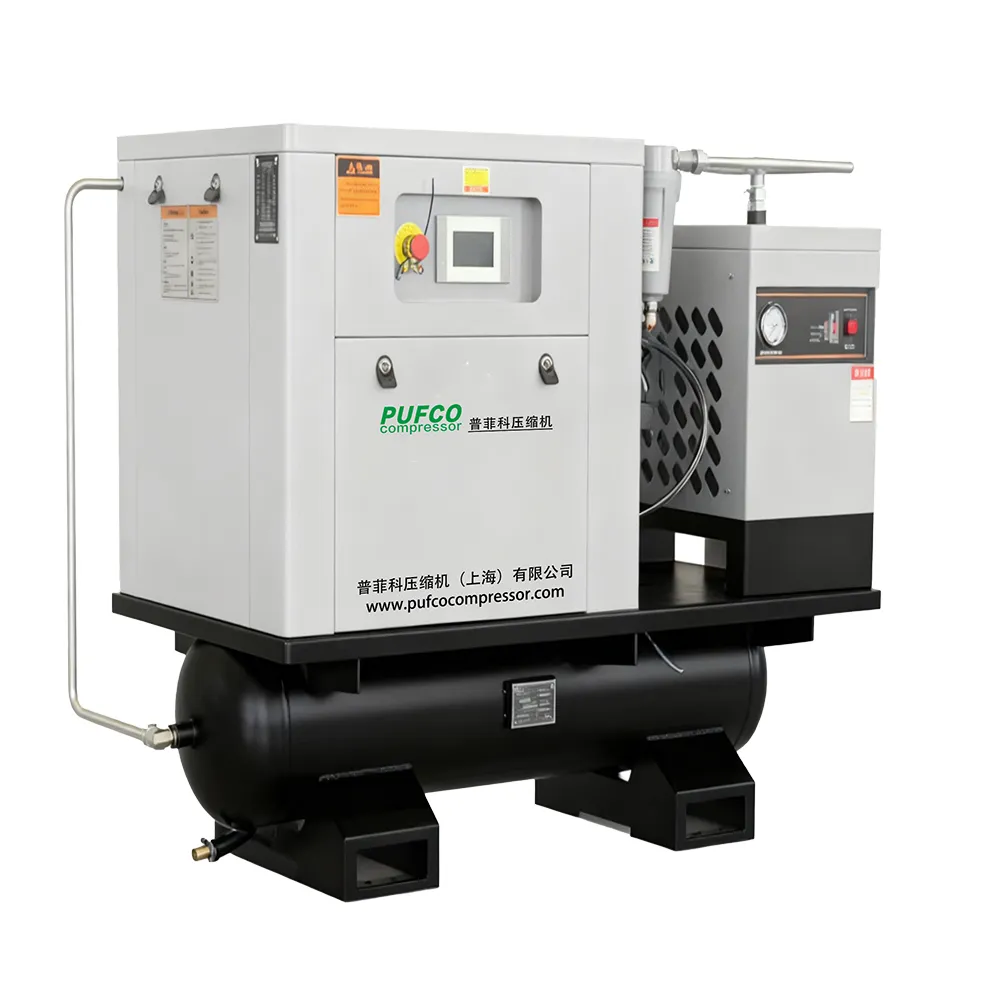
Airend Longevity: The Core Determinant of Oil-Injected Screw Air Compressor Service Life
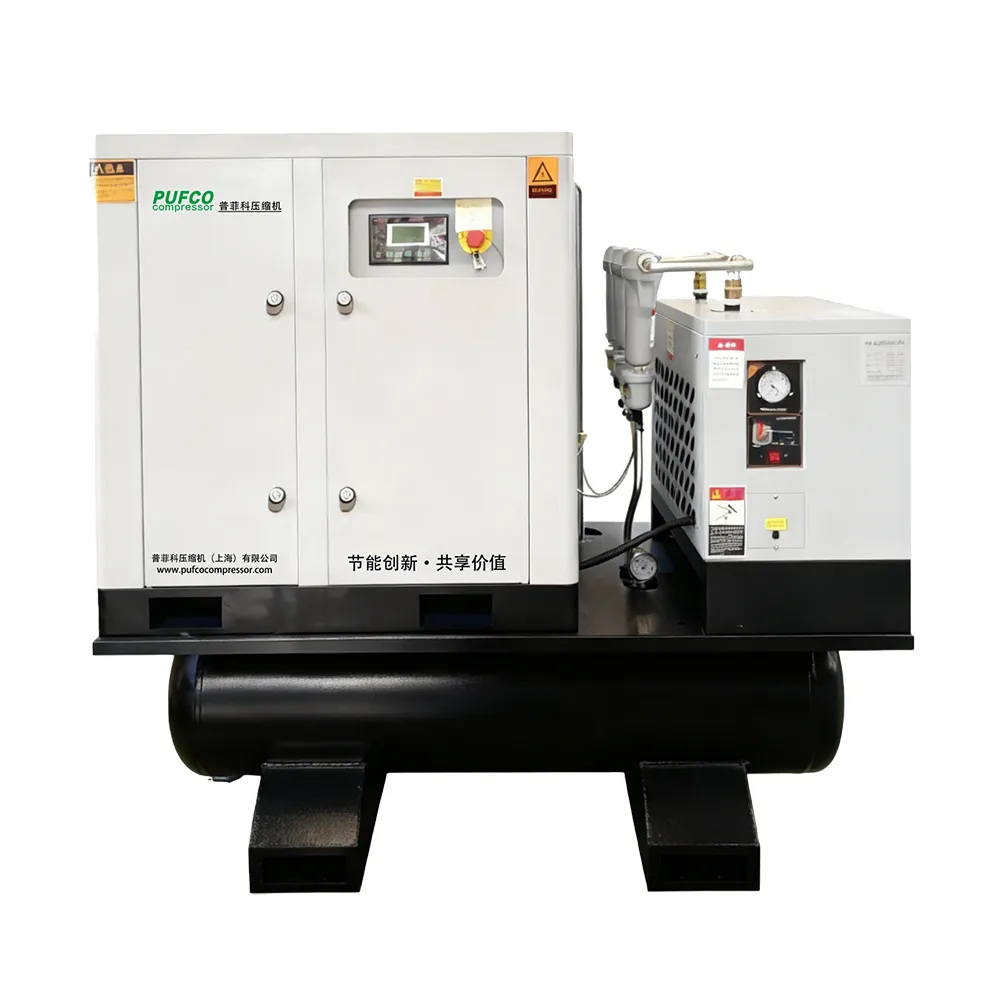
Why the airend defines overall service life: bearing wear, rotor contact, and material fatigue
The airend serves as the mechanical core of oil injected screw air compressors, basically determining how long the whole system will last before needing replacement. Three main problems tend to happen at once in this area: bearings wearing down over time, the surfaces of the rotors getting damaged, and materials simply breaking down from constant stress. According to recent 2023 studies on industrial equipment reliability, about 4 out of every 10 airend failures come specifically from worn bearings since they deal with continuous pressure that speeds up their breakdown. When the rotor lobes make contact repeatedly, this creates surface fatigue that slowly eats away at compression efficiency somewhere between 2% to 5% each year. Thermal cycling from frequent starting and stopping operations causes tiny stress cracks to form in both the rotors themselves and their housing components. These small fractures build up over time until they seriously weaken the structure. All these factors combined set a pretty strict limit on how many years most systems can realistically operate before major repairs become necessary.
The 40,000-hour benchmark: engineering potential vs. real-world performance gaps
Modern airends are built to last around 40,000 operating hours according to specs, but that number comes from labs where everything works perfectly and maintenance is spot on. Reality tells a different story though, with just about 12 percent making it to those claimed hours before needing serious repairs. Why the difference? Several things mess with performance in real world settings. Extreme temperatures outside can cut down how well heat gets managed inside the unit somewhere between 18 and maybe 30 percent. When machines start and stop more than six times an hour, bearings wear out three times faster than normal. And dust particles getting into the system cause rotor wear to jump by roughly 40%. All together, these issues create an average gap of about 22% between what manufacturers promise and what actually happens. Maintenance matters most here though. Units where filters get changed regularly tend to run almost twice as long between breakdowns compared to those left alone.
Oil Injection System and Lubricant Management in Oil-Injected Screw Air Compressors
Tri-function oil role: lubrication, cooling, and sealing—impact on thermal stress and friction loss
Lubricant in oil injected screw compressors does much more than just reduce friction. It actually handles three key jobs at once: it keeps bearings and rotors running smoothly, takes away heat generated during compression, and seals those tiny gaps between the rotating parts. When all these functions work together properly, they help fight against thermal stress which is probably the biggest reason why airends fail early on. Plus, good quality oil cuts down on internal leakage that wastes so much energy. Fresh oil typically brings operating temps down around 15 to maybe 20 degrees Celsius compared to old worn out lubricant. The difference shows up clearly in how reliable the system stays over time and just how efficient it runs day after day.
Oil degradation pathways: oxidation, TAN rise, and sludge formation under continuous load
When compressors run continuously, their oil breaks down along three main paths that actually feed into each other: oxidation caused by heat exposure, the gradual increase in Total Acid Number (TAN), and eventually sludge buildup. The rate at which oils oxidize doubles whenever temperatures go 10 degrees Celsius over 90 degrees Celsius. This leads to thicker oil consistency and creates corrosive acids that damage bearing surfaces over time. Once TAN levels pass around 2.0 mg KOH per gram mark, things get worse fast as polymers start forming sludge deposits throughout the system. These deposits block oil flow channels and leave vital parts without proper lubrication. Industry studies show something pretty alarming too - nearly seven out of ten problems related to lubrication can be traced back to waiting too long between oil changes after reaching this dangerous TAN level.
Operational and Maintenance Factors Affecting Oil-Injected Screw Air Compressor Longevity
Maintenance adherence gap: field data from PUFCO Compressor Shanghai Co Ltd on schedule compliance vs. failure rates
Regular maintenance remains one of the best tools operators can use to bridge the gap between what equipment is designed to do and what it actually achieves in the field. Field data from PUFCO Compressor Shanghai shows something pretty clear: compressors getting less than 70% of their required maintenance checks fail at least three times more often than those properly maintained. The main culprits? Putting off oil and filter changes, plus skipping those crucial rotor inspections. When these basics get neglected, airends tend to fail well before reaching 15,000 hours of operation. Energy consumption jumps by around 40% because seals don't work as intended, and bearings wear down faster when oil gets contaminated. On the flip side, machines kept up to date with at least 90% of their maintenance schedule still hold onto about 92% of their original efficiency even after 25,000 hours running time. This proves that sticking to maintenance routines isn't just good practice—it's essential for hitting those long term goals of reaching 40,000 hours without major breakdowns.
Optimizing Oil Selection and Change Intervals for Oil-Injected Screw Air Compressors
Mineral vs. synthetic oil: durability, service interval extension (6,000 vs. 12,000 hours), and OEM compliance
What kind of oil goes into a compressor really matters for how long it lasts, how well it runs, and whether the warranty stays valid. Mineral oils might seem cheaper at first glance, but they break down pretty fast when exposed to heat stress and generally need changing around every 6,000 operating hours. Synthetic lubricants tell a different story altogether. They resist oxidation much better and maintain their thickness across temperature changes, which means maintenance folks can stretch out oil changes to about 12,000 hours without worrying too much. Plus, these synthetics create far less sludge buildup inside the system. Recent data from the industry sector back this up showing that bearings last longer with synthetic oils cutting wear rates down by roughly one third compared to regular mineral based products.
Frequently Asked Questions (FAQ)
What is an airend in a screw air compressor?
The airend is the mechanical core of an oil-injected screw air compressor, determining its overall service life by affecting critical components such as bearings, rotors, and the materials used.
How long can airends typically last?
Airends are usually designed to last around 40,000 hours with proper maintenance, but in real-world conditions, about 12% reach this threshold before needing significant repairs.
What role does oil play in an air compressor?
In an oil-injected screw compressor, oil lubricates, cools, and seals the system. It helps reduce thermal stress, friction losses, and prevents internal leakage.
How often should oil be changed in a screw air compressor?
Oil change intervals depend on the type of oil used. Mineral oils typically require changes every 6,000 hours, while synthetic oils can last up to 12,000 hours.
Why is maintenance critical for compressor longevity?
Regular maintenance, such as timely oil and filter changes, ensures compressor efficiency and longevity, preventing failures and maintaining optimum performance.
Table of Contents
- Airend Longevity: The Core Determinant of Oil-Injected Screw Air Compressor Service Life
- Oil Injection System and Lubricant Management in Oil-Injected Screw Air Compressors
- Operational and Maintenance Factors Affecting Oil-Injected Screw Air Compressor Longevity
- Optimizing Oil Selection and Change Intervals for Oil-Injected Screw Air Compressors
- Frequently Asked Questions (FAQ)

