 CN
CN
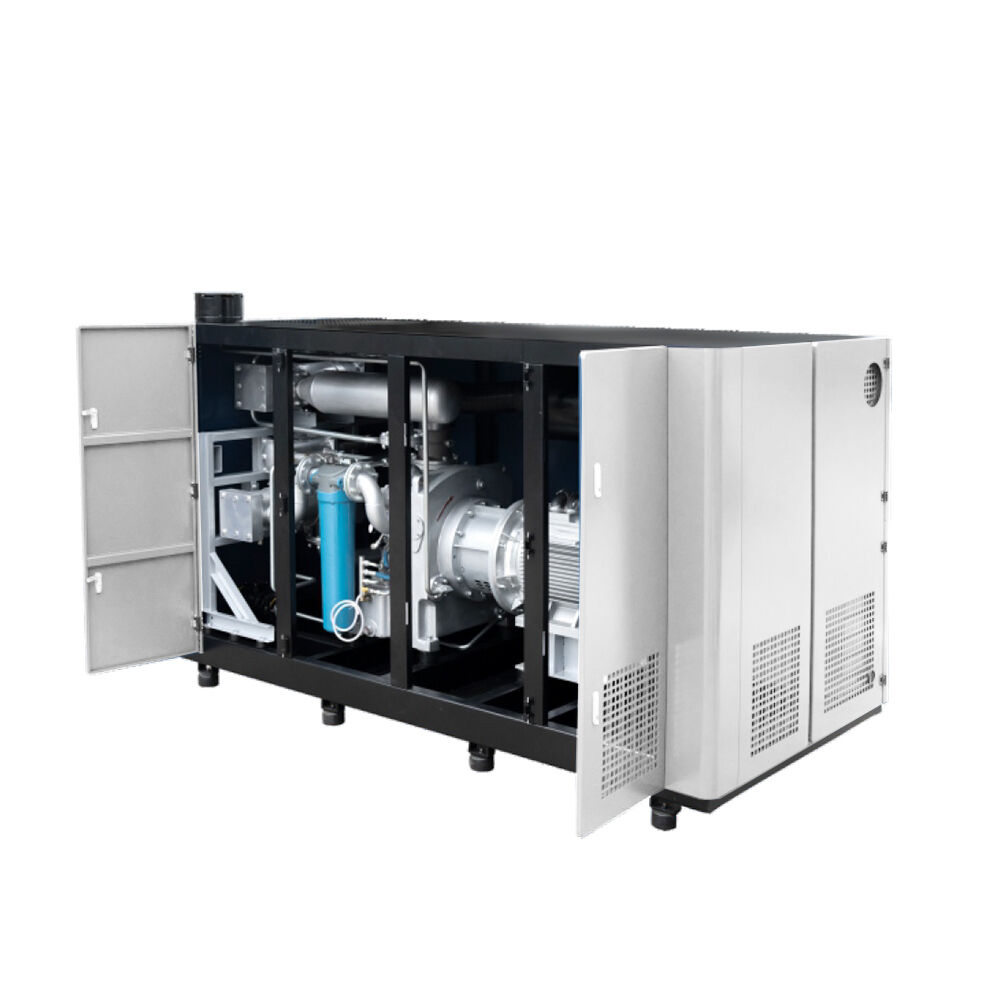
How Oil Injection Drives Energy Efficiency in Screw Air Compressors
Thermodynamic cooling effect: Reducing compression work via inter-stage oil injection
When we talk about oil injection in screw air compressors, what we're really looking at is a game changer for how these machines operate. The system works by injecting cooling fluid right into the compression chamber, which gets us closer to that ideal isothermal compression state instead of the usual adiabatic process. What happens next? Well, the oil grabs around 80% of all that heat generated during compression and keeps those dangerous temperature spikes from forming, which would normally make the machine work harder. Industry data shows something interesting too: drop the effective compression temperature by just 5 degrees Celsius, and energy usage drops about 1%. From a thermodynamic standpoint, this gives oil injected models a clear edge over their oil free counterparts. We typically see power consumption cut down between 10 to 15 percent while still maintaining stable pressure output and reliable operation across different duty cycles.
Friction reduction and sealing enhancement through optimized oil lubrication
When oil gets injected into the system, it actually does two main things at once. First, it creates a protective layer that reduces friction between moving parts like rotors and bearings. Second, it helps seal those tiny gaps in the compression chamber that would otherwise let air escape. Getting the right amount of lubrication makes a big difference. Studies show machines can lose around 8% less power when properly lubricated. And better sealing stops air from leaking out, which saves between 3 to 7% efficiency in systems that aren't well maintained. These days, synthetic oils last much longer too. Most manufacturers recommend changing them every 8,000 hours of operation, which cuts down on maintenance stops and saves money on energy costs over time. All these factors combined keep most systems running at over 95% efficiency during normal operations. That's pretty impressive considering compressed air alone eats up about 30% of all electricity used in many factories and manufacturing plants.
Smart Energy-Saving Technologies Integrated in Modern Screw Air Compressors
Variable Speed Drive (VSD) control for precise air demand matching
Variable Speed Drive or VSD tech works by adjusting motor speeds according to actual air needs at any given moment. This cuts down on wasted energy compared to older fixed-speed compressors which either run inefficiently when unloaded or require pressure band overrides. When using VSD systems, there's significantly less time spent running without load, pressure stays stable around plus or minus 0.1 bar, and components experience less wear and tear during start ups, so they tend to last longer overall. Industry reports back up these claims too, showing that screw compressors fitted with VSDs can cut energy usage by anywhere between 30 to 50 percent when dealing with changing loads. For factories where production levels go up and down throughout the day, this kind of efficiency makes all the difference in operational costs.
High-efficiency IE4/IE5 permanent magnet motors under partial-load conditions
The new generation of IE4 Super Premium Efficiency and IE5 Ultra Premium Efficiency permanent magnet motors actually fix what's been a big problem with older induction motors all along – they just get way less efficient when running at partial loads. Take a look at these synchronous motors though, they maintain around 94 to 97 percent efficiency even when only operating at 40% load levels. That's where traditional motors start losing between 15 and 25% of their input power as wasted heat. What makes this possible? Well, these motors have better designed electromagnetic flux paths and don't suffer from those pesky rotor currents that cause so many losses in regular motors. And here's something really interesting: when these IE5 motors are used together with variable speed drive controls, factories can cut down on total energy consumption by as much as 40% during normal operations. This kind of saving becomes especially important for manufacturing facilities where compressors often run below 70% capacity for long stretches of time throughout the day.
Two-Stage Compression: A Structural Leap in Screw Air Compressor Efficiency
Closer-to-isothermal compression and lower specific power vs. single-stage designs
In two stage screw compressors, the compression ratio gets divided between two separate stages with cooling in between. This setup really cuts down on heat buildup, which happens to be the main culprit behind inefficiencies in most compressed air systems. When we talk about this staged method, it actually makes the whole process much closer to what's called isothermal compression in theory. And this means around 15 to 20 percent less power needed compared to those single stage models. Less heat means bearings don't have to work so hard, plus there's not as much internal leakage going on. That translates to better reliability and more airflow for each horsepower put into the system. What do these improvements look like in practice? Energy bills go down, carbon footprints shrink, and parts last longer before needing replacement. All of this happens while still maintaining the same pressure levels and volumes that industrial operations require day after day.
| Efficiency Factor | Single-Stage Compressor | Two-Stage Compressor |
|---|---|---|
| Compression Heat Generation | High | Reduced by 40–50% |
| Specific Power Consumption | Higher | 15–20% lower |
| Airflow per Horsepower | Standard | Up to 20% greater |
Proven Energy Savings: Oil-Injected Screw Air Compressors vs. Legacy Technologies
Oil injected screw air compressors beat old school tech like reciprocating, vane, and those ancient rotary models hands down. Real world tests show they save about 25 to 30 percent on yearly energy costs based on independent factory audits. The smooth spinning action means no sudden power surges or wasted energy during downtime. Plus, that special oil coating keeps efficiency levels above 95% for years on end, way better than the 70 to 85% mark seen in reciprocating units which just keep getting worse over time. What really matters though is how these newer systems actually cut down on compression effort by around 15 to 18% thanks to smarter cooling methods. Old style compressors meanwhile just burn through energy as heat and cause all sorts of mechanical problems down the line.
| Efficiency Factor | Oil-Injected Screw Compressor | Reciprocating Compressor |
|---|---|---|
| Average Energy Savings | 25–30% | Baseline |
| Volumetric Efficiency | 95% | 70–85% (degrades faster) |
| Part-Load Responsiveness | VSD modulation within 2% | Unloading cycles (~40% loss) |
Oil injected screw compressors running alongside VSD optimization hit around 92% efficiency even when they're not working at full capacity. Compare that to older fixed speed models which can waste nearly half their energy just sitting there unloaded. Another big plus is how these modern systems cut down on mechanical losses because they don't have all those moving parts creating resistance. We're talking somewhere between 12 and 15% less wear and tear over time. Put it all together and companies typically see their investment back within three years after switching from piston driven systems. That's why most factories are turning to oil injected screw tech these days for their compressed air needs, despite what some traditionalists might claim about newer technologies.
FAQ
What is the main advantage of oil-injected screw air compressors over oil-free models?
Oil-injected screw air compressors utilize oil for cooling and sealing within the compression chamber, resulting in more efficient isothermal compression and reducing power consumption by 10-15%, whereas oil-free models generally operate less efficiently.
How does Variable Speed Drive (VSD) technology contribute to energy savings?
VSD technology adjusts motor speeds based on current air demand, minimizing energy wastage in unloaded conditions, stabilizing pressure, and reducing equipment wear. This can result in energy savings of 30-50% when dealing with variable loads.
Why are permanent magnet motors more efficient at partial loads?
Permanent magnet motors maintain high efficiency levels even at lower loads (94-97% efficiency at 40% load), avoiding energy losses typical in induction motors at partial loads. This is due to optimized electromagnetic flux paths and absence of rotor current losses.
What are the benefits of two-stage compression?
Two-stage compression divides the compression process into two stages with inter-cooling, reducing heat generation and energy consumption by 15-20% compared to single-stage designs, enhancing reliability and airflow efficiency.
How do oil-injected screw air compressors compare to reciprocating compressors?
Oil-injected screw air compressors offer higher efficiency (95% efficiency), save 25-30% on energy costs, and maintain steady performance over time compared to reciprocating compressors, which degrade faster and have lower part-load responsiveness.
Table of Contents
- How Oil Injection Drives Energy Efficiency in Screw Air Compressors
- Smart Energy-Saving Technologies Integrated in Modern Screw Air Compressors
- Two-Stage Compression: A Structural Leap in Screw Air Compressor Efficiency
- Proven Energy Savings: Oil-Injected Screw Air Compressors vs. Legacy Technologies
-
FAQ
- What is the main advantage of oil-injected screw air compressors over oil-free models?
- How does Variable Speed Drive (VSD) technology contribute to energy savings?
- Why are permanent magnet motors more efficient at partial loads?
- What are the benefits of two-stage compression?
- How do oil-injected screw air compressors compare to reciprocating compressors?

