 CN
CN
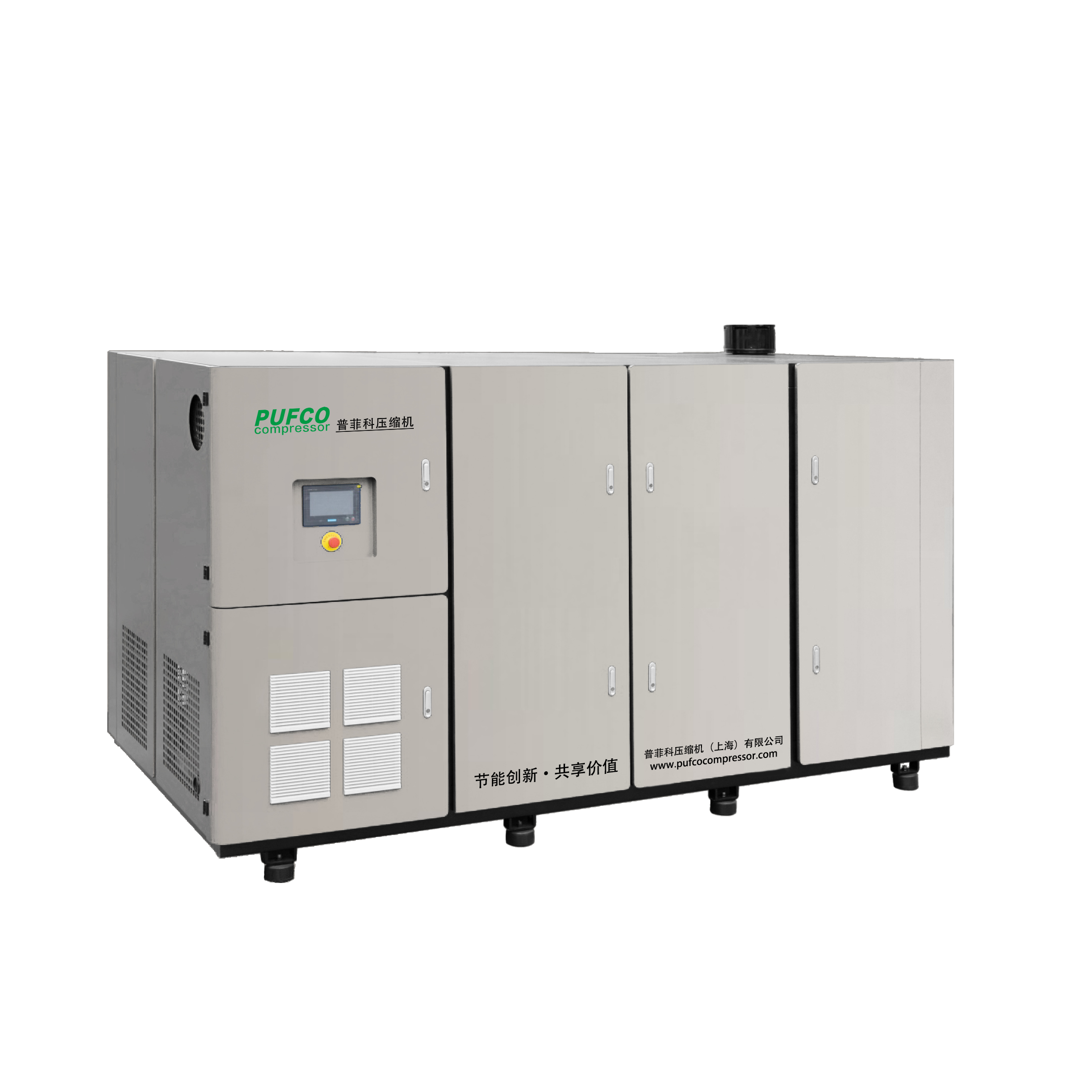
How Screw Air Compressors Work: Rotary Screw Technology Explained
The heart of any screw air compressor is basically a pair of interlocking rotors that have been carefully designed for efficiency. Inside the unit, there are two helical screws working together one acts as the driver (male rotor) and the other as the driven component (female rotor). These parts spin in opposite directions inside a sealed housing. When they turn against each other, they pull in outside air through an intake port. As the screws continue rotating, the space between them gets smaller and smaller, squeezing the air until it reaches the desired pressure level all while avoiding those annoying pressure spikes we see in other systems. Unlike older piston models that constantly stop and start during operation, screw compressors maintain steady output throughout their cycle. For manufacturers running things like computer numerical control machines or robotic production lines, this continuous flow makes a real difference in both performance and product quality.
The Twin-Screw Mechanism and Continuous Compression Cycle
Helical rotor profiles establish an axial flow path that gets rid of those pesky valves which create friction problems in traditional piston systems. As these cavities travel along from the suction side to the discharge end, air volume drops dramatically, around a 12 to 1 reduction rate. What makes this system really stand out is its ability to run continuously at full capacity all day long something piston compressors just can't match. Studies looking at fluid dynamics show efficiency improvements anywhere between 15% and 25%, though actual results vary based on conditions. For facilities with heavy usage requirements, these efficiency boosts could translate into real money saved over time, possibly upwards of seven hundred forty thousand dollars per year in some cases.
Oil-Flooded vs. Oil-Free Configurations for Critical Applications
Two primary designs address different purity needs:
- Oil-flooded compressors inject lubricant into the compression chamber. This oil seals rotor clearances, dissipates heat (reducing discharge temperatures to 70–90°C), and extends component life. However, downstream oil separators are essential to prevent contamination.
- Oil-free variants use timed, non-contacting rotors with specialized coatings. Air passes through compression stages without oil contact, meeting ISO 8573-1 Class 0 standards for food and pharmaceutical applications. While eliminating oil filtration costs, these units demand precise manufacturing to maintain efficiency.
| Feature | Oil-Flooded | Oil-Free |
|---|---|---|
| Air Purity | Requires filtration | ISO Class 0–certified |
| Operating Cost | Lower initial cost | Higher upfront cost |
| Total Cost of Ownership (TCO) | Higher maintenance | Lower filtration spend |
Proper selection hinges on application-critical air quality requirements and long-term TCO implications.
Key Advantages of Screw Air Compressors for Continuous Industrial Use
Screw air compressors deliver exceptional operational efficiency for industrial facilities requiring non-stop production. Their rotary screw mechanism provides constant air flow without pulsation, eliminating pressure drops that disrupt pneumatic tools and automated systems. This steady output translates directly to reduced product defects and higher throughput in manufacturing lines.
Saving energy is one of those big pluses when it comes to Variable Speed Drive (VSD) models. The way these systems work is pretty smart actually they change how much power goes to the motor based on what the air demand looks like at any given moment. This cuts down on wasted energy when things aren't running at full capacity all the time. Looking at data from recent compressed air system checks in 2023, many businesses saw their electric bills drop somewhere between 30 to 40 percent compared to older fixed speed systems. Plus there's less heat generated overall, which means parts tend to last longer and facilities don't have to spend as much on keeping things cool.
Screw compressors stand out in round-the-clock operations because they need very little maintenance. They have far fewer moving components than traditional piston models and don't come with those pesky valves that constantly need replacing. Most shops find that service checks only happen every 8,000 to maybe 10,000 hours of running time. What really matters for many businesses is how durable these machines are. Plus, they take up less floor space and run quietly under 70 decibels, which works great for factories where workers spend long shifts. Facility managers love this since it cuts down on both downtime and complaints about noise. Looking at the big picture, companies typically save between 20% and 30% on overall costs when comparing screw compressors to older reciprocating systems over ten years or so.
Selecting the Right Screw Air Compressor: Capacity, Efficiency, and Duty Cycle
Matching CFM, PSI, and Power Requirements to Your Production Load
Accurately sizing your screw air compressor prevents costly operational gaps. Start by calculating total air demand:
- CFM (cubic feet per minute) measures volume needed for tools.
- PSI (pounds per square inch) determines pressure consistency.
Take this scenario for instance: when someone runs a sandblaster that needs 20 cubic feet per minute at 100 pounds per square inch alongside a paint sprayer asking for just 5 CFM at 50 PSI, they end up needing around 25 CFM total as their starting point. Now let's talk about duty cycle, which basically means how long the compressor actually runs versus rests during operation. This factor matters quite a bit too. If the workload goes above 60% duty cycle, most professionals would recommend going with screw type compressors instead of piston ones since those tend to get too hot otherwise. Going bigger than needed just burns through extra electricity without any real benefit. But getting something too small leads to all sorts of problems down the line because pressure starts dropping when multiple tools are running simultaneously.
Evaluating Energy Efficiency Metrics (IE3 Motors, VSD Technology)
Energy constitutes 80% of a compressor's lifetime cost. Prioritize these efficiency features:
- IE3 Premium Efficiency Motors reduce electrical losses by 15% versus standard models.
- VSD (Variable Speed Drive) technology adjusts motor output to real-time demand, slashing idle energy by 30%.
A VSD-equipped screw compressor can save $740k annually in a 24/7 manufacturing plant. Compare specific power (kW/CFM) ratings across units. Lower values indicate better air output per energy consumed. For variable loads, VSD compressors maintain stable pressure while cutting energy waste during partial-load operation.
Maintenance, Lifespan, and Total Cost of Ownership (TCO)
Preventive Maintenance Schedule and Common Wear Points
A good preventive maintenance routine makes all the difference when it comes to how long a screw air compressor will last in service. Most technicians recommend changing those air and oil filters every three months or so, swapping out fluids once per year, and checking those thermal valves roughly twice a year. Parts that take the brunt of wear and tear need special attention too rotor bearings, shaft seals, and various gasket types should be looked at regularly because skipping these inspections often leads to bigger problems down the road. According to industry data from several major equipment manufacturers, machines that have proper maintenance records tend to run about 30 percent longer before needing major repairs or replacement.
Comparing TCO Against Piston and Centrifugal Alternatives
Evaluating TCO involves analyzing energy consumption, maintenance frequency, and downtime costs across technologies:
| Factor | Screw Compressor | Piston Compressor | Centrifugal Compressor |
|---|---|---|---|
| Energy Efficiency | 15–30% higher | Baseline | 10–20% higher |
| Maintenance Intervals | 8,000 hours | 500–2,000 hours | 16,000+ hours |
| Typical Lifespan | 60,000+ hours | 20,000 hours | 100,000+ hours |
Screw compressors offer the optimal balance for continuous industrial use, delivering 40% lower lifetime costs than piston units despite higher initial investment. Centrifugal systems suit ultra-high-demand applications but incur steep capital expenses.
Frequently Asked Questions
What is the main advantage of screw air compressors compared to piston models?
Screw air compressors provide continuous flow without pulsation, which eliminates pressure drops that disrupt operations, making them more efficient for non-stop production.
How do oil-flooded and oil-free screw compressors differ?
Oil-flooded compressors use lubricant for sealing and cooling, requiring filtration. Oil-free compressors, meeting ISO Class 0 standards, use non-contacting rotors without oil, suitable for applications needing high air purity.
What is the significance of Variable Speed Drive (VSD) in screw compressors?
VSD technology adapts motor power to current air demands, reducing energy wastage and improving efficiency by cutting idle energy consumption by 30%.
How often should screw air compressor maintenance be performed?
Preventive maintenance should include changing air and oil filters every three months, fluids once per year, and checking thermal valves semi-annually to ensure longevity and efficiency.

