 CN
CN
Energy Efficiency: Do Oil-Free Air Compressors Consume More Power?
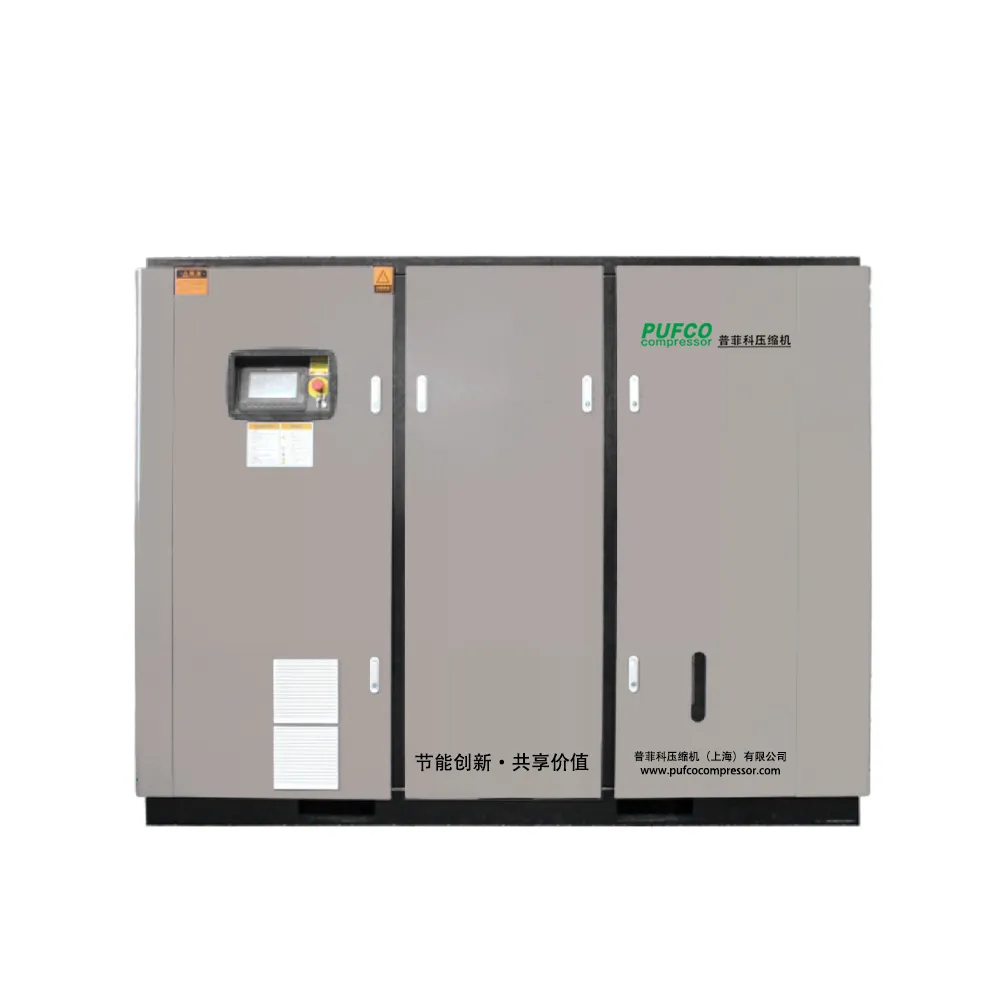
Pressure Drop and Filtration Losses in Oil-Free Systems
Getting oil-free air compressors to meet those strict ISO 8573-1 Class 0 standards usually means adding extra filtration layers, especially important in cleanrooms for pharma work, biotech labs, or food processing plants where contamination just won't cut it. The downside? All these filters create pressure drops that eat into energy efficiency. We're talking about roughly half a percent more power needed for every pound per square inch lost across the system according to industry reports from 2023. Oil lubed models do need aftercoolers and oil water separators too, but they generally handle airflow better because the lubrication keeps things sealed tighter compared to those multiple dry filter stages. Some newer oil free models have gotten pretty good with special rotor coatings and improved dry screw tech. Still, anyone working on Class 0 systems needs to remember there's always going to be some compromise between having ultra pure air and running an efficient operation.
ISO 1217 Test Data: Real-World Energy Use vs. Oil-Injected Compressors
According to ISO 1217 tests, when running at full capacity, oil injected compressors generally perform about 3 to 5 percent better in terms of specific power (kW per 100 cfm). This happens because the lubricant helps seal things better inside and cuts down on leaks. But here's where it gets interesting - this performance edge starts to shrink once we look at what happens after the compressor. For facilities needing completely oil free air, oil injected systems require extra filtration equipment like coalescing filters and activated carbon units. These additions create around 2 to 4 psi more resistance in the system. Taking all these factors into account, oil free compressors actually save between 7 and 12 percent in energy costs across regulated sectors. The picture changes even more with variable speed drives (VSDs) coming into play. Both types end up performing pretty similarly when operating below full load. Real world measurements from factories across Europe back this up. Oil free models consumed an average of 0.18 kWh per cubic meter compared to 0.21 for their oil lubricated counterparts when similar air treatment was applied according to the 2023 Energy Audit findings.
Maintenance Costs: Oil-Free vs. Oil-Lubricated Air Compressors
Lubricant, Filter, and Condensate Management in Oil-Injected Units
Keeping oil lubricated compressors running smoothly requires proper attention to fluids throughout their operation cycle while preventing any kind of contamination issues. Most maintenance routines involve changing the oil every three months or so, which can mean anywhere from five to ten gallons going through the system each year based on how big the compressor actually is. Filters need replacing too - inlet filters about every 500 hours, oil filters around those same intervals, and air filters generally somewhere between 500 to 2000 hours of runtime. Then there's the whole mess of dealing with condensate collection. Technicians have to check this stuff daily because separating out the oil mixed water isn't exactly straightforward work. And once separated, disposing of that contaminated water becomes a real headache since it counts as hazardous waste subject to all sorts of local environmental rules and regulations. All these regular maintenance activities end up costing money again and again throughout the year.
- Lubricant: $200–$600 per unit
- Filter replacements: 3–6 times yearly
- Waste disposal: $15–$30 per gallon
Labor adds another $1,200–$3,500 annually for industrial units, consuming 2–4 hours weekly for routine upkeep.
Oil-Free Maintenance: Lower Fluid Costs but Higher Bearing and Seal Oversight
Going oil free means no more buying lubricants, replacing oil filters, or dealing with dangerous condensate waste. This can cut down on yearly fluid maintenance expenses by around 85-90%, depending on usage patterns. Without oil to worry about, technicians have to pay closer attention to the moving parts inside these machines. The bearings typically need checking after roughly 2000 to 3000 operating hours and should be swapped out somewhere between 8000 and 12000 hours of runtime. Seals also demand regular checks and occasional replacements to keep everything running smoothly and avoid excessive heat buildup. All these maintenance activities add up to real money spent over time, though they do represent a different kind of investment compared to traditional compressor systems.
- Advanced bearing sets: $200–$500
- Precision seal kits: $150–$400
- Thermal monitoring systems: strongly recommended for early fault detection
While maintenance intervals are 30% longer than for oil-lubricated units, component costs run ~25% higher. This balance makes oil-free technology especially cost-effective in contamination-sensitive sectors where avoiding oil carryover justifies the increased wear-part investment.
Total Cost of Ownership for Oil-Free Air Compressors Over 5 Years
The total cost of ownership for oil free air compressors isn't just about what someone pays upfront at the store. It actually includes things like how much power they consume day after day, all those maintenance hours spent fixing them, replacement parts needed, potential fines from not meeting regulations, plus making sure production doesn't stop unexpectedly. Electricity alone accounts for around 76 percent of all costs associated with running compressed air systems throughout their lifespan according to data from the US Department of Energy. That means small improvements in efficiency can really add up over time. Industries such as pharmaceutical manufacturing face special challenges here because contaminated air can ruin batches of medicine and lead to serious problems with government inspections. For these businesses, having absolutely clean air output becomes worth paying extra for initially or spending a bit more on components later on.
Case Study: Pharmaceutical Cleanroom Installations in Shanghai
A Shanghai-based pharmaceutical facility replaced aging oil-injected compressors with ISO 8573-1 Class 0-certified oil-free units serving critical cleanroom processes. The transition yielded measurable TCO improvements:
- $12,000/year eliminated in downstream filtration and oil-contaminated waste disposal
- $8,000/year saved in recurring air purity validation and contamination testing
- 30% reduction in scheduled maintenance labor hours
Although initial equipment investment was 15% higher, operational savings surpassed standard 5-year TCO benchmarks by 22% within three years. Cleanroom compliance requirements—not just energy metrics—drove the financial case for oil-free technology.
Downtime Economics: Cleanroom Compliance Failures vs. Scheduled Oil Changes
Unplanned downtime from air contamination events carries steep financial consequences in regulated environments:
- Regulatory noncompliance incidents average $500,000+ per occurrence (Ponemon Institute, 2023)
- Product recalls linked to compressed air contamination incur $740,000 in direct losses, on average
- In contrast, scheduled oil changes cause only ~8 hours of planned annual downtime
Oil-free systems exchange routine oil-change interruptions for predictive bearing and thermal monitoring—but they eliminate contamination-related shutdowns entirely. Over five years, facilities with stringent air purity mandates report 19% lower net downtime costs, driven by avoided sterilization revalidation, audit delays, and regulatory penalties.
FAQ
Do oil-free air compressors consume more power than oil-lubricated compressors?
Oil-free compressors might initially seem to consume more power due to additional filtration requirements, but over time, they can offer energy savings of 7 to 12 percent in regulated sectors.
What are the maintenance costs associated with oil-free compressors?
Oil-free compressors eliminate the need for lubricants, reducing fluid maintenance expenses significantly. However, they require regular monitoring and maintenance of bearings and seals.
Is it cheaper to operate oil-free compressors over the long term?
The total cost of ownership for oil-free compressors over five years can be lower due to energy efficiency and reduced contamination-related downtime, despite initial higher costs.
Why might a business choose oil-free compressors over oil-lubricated ones?
Oil-free compressors are particularly beneficial in industries that require contamination-free environments, such as pharmaceuticals and food processing. They help in maintaining air purity standards and reducing associated downtime costs.

