 CN
CN
Zero Oil Contamination in Medical Air: Why Oil-Free Air Compressors Are Indispensable
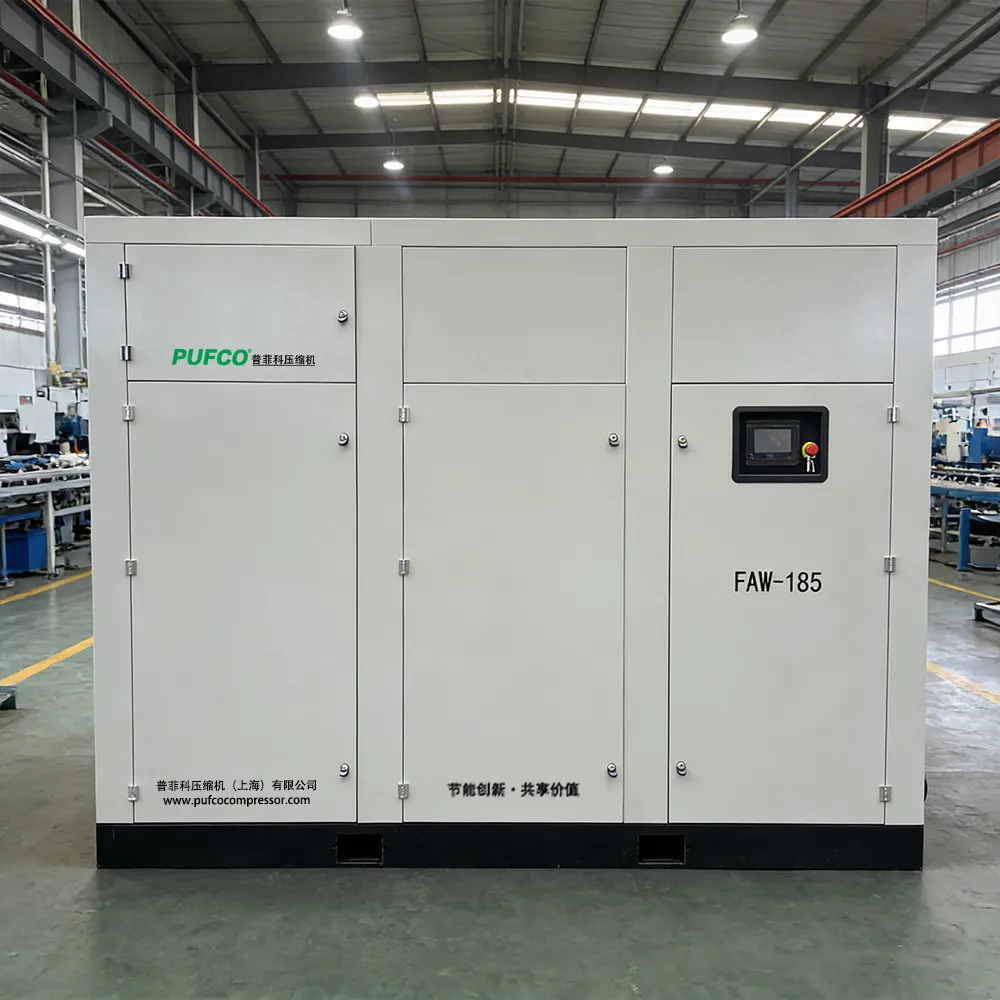
Why ISO 8573-1 Class 0 is the only acceptable standard for medical air purity
The ISO 8573-1 Class 0 certification stands for the purest air quality possible, requiring absolutely no oil aerosols, vapor, or hydrocarbons in the mix. Healthcare facilities simply cannot compromise on this standard since even tiny traces of oil are nearly impossible to remove after compression occurs. Those sub-micron particles and gaseous hydrocarbons just slip right through regular filters. While industries might get away with Class 1 to 3 air standards for their operations, hospitals need guaranteed oil-free air delivery when treating patients who already have weakened immune systems or are in critical condition. The only way to consistently hit Class 0 requirements is through genuine oil-free compressor tech that literally has no oil touching the compression chamber at all. This approach stops contamination before it ever gets started, which is exactly what medical environments demand.
How oil carryover compromises patient safety even at trace levels
- Hydrocarbon residues coat lung alveoli in ventilated patients, impairing gas exchange
- Oil vapor reacts with ethylene oxide and other sterilants, generating cytotoxic byproducts
- Oil-fouled pipelines foster biofilm formation, accelerating microbial growth and increasing HAIs
A 2023 AAMI study linked 62% of anesthesia machine failures to oil-fouled valves—evidence that “technically oil-free†claims from filtered oil-lubricated systems are insufficient. Certified oil-free compressors eliminate the contamination vector entirely, not just its downstream effects.
Critical Healthcare Applications That Require Oil-Free Air Compressors
Life-support systems: Anesthesia machines, ventilators, and respiratory therapy devices
Oil-free air compressors deliver contaminant-free air for critical life-support equipment where purity is non-negotiable:
- Ventilators: Provide precise, particle-free airflow for ICU patients without risk of inflammatory alveolar deposition
- Anesthesia machines: Maintain sterile gas integrity during surgery—oil residues can degrade valve seals and alter gas calibration
- Nebulizers: Deliver aerosolized medication directly to compromised airways; oil exposure may trigger bronchospasm or immune activation
In all cases, oil aerosols introduce avoidable biological and mechanical risks—not theoretical concerns, but documented failure modes in real-world clinical settings.
Sterilization, diagnostics, and dental applications relying on uncontaminated compressed air
Beyond life support, oil-free compressors prevent cross-contamination across essential care pathways:
- Autoclaves: Power steam generation where oil residues compromise sterility assurance and corrode chamber components
- Lab analyzers: Ensure diagnostic accuracy—oil vapor interferes with spectrometric readings and contaminates reagent pathways
- Dental tools: Drive high-speed handpieces and air/water syringes; inadvertent ingestion or aspiration of oil poses direct toxicity risks
Regulatory Compliance: How Oil-Free Air Compressors Meet NFPA 99, CSA Z317.6, and HHTM 02-01
Why filtration cannot retrofit compliance
The latest editions of NFPA 99 (2024), CSA Z317.6 (2023), plus HHTM 02-01 all require medical gas systems to meet ISO 8573-1 Class 0 air purity standards. Oil lubricated compressors just don't cut it here. The problem is simple but serious: standard filters catch solid oil particles but miss those pesky vaporized hydrocarbons. And when pressure changes happen, filters get saturated over time, or maintenance gets delayed, performance drops off dramatically. That's why most auditors won't accept retrofit solutions. These fixes depend on filters that eventually fail, unlike proper oil free designs where oil simply isn't part of the equation in the first place. For facilities dealing with these regulations, investing in oil free compressors from day one remains the best approach despite higher upfront costs.
Real-world audit data: 78% of U.S. hospitals cited for air system noncompliance (AAMI 2023)
According to AAMI's latest Hospital Air System Audit from 2023, nearly four out of five U.S. hospitals got hit with citations related to compressed air compliance issues. Most of these problems trace back to oil contamination in their lubricated systems. What happens is those tiny oil particles slip right past standard filters and end up exceeding the strict 0.01 mg/m³ limit set by HHTM 02-01 standards. Fixing these issues usually means tearing everything apart and starting fresh, which comes at a steep price tag. The Ponemon Institute reports that hospitals typically spend around $740k on each cleanup job. That's why many facilities are turning to oil-free compressors instead. These systems eliminate several points of failure since there's nothing to wear out in the filtration process, no chance of oil leakage, and naturally fewer places where compliance might break down over time.
Operational & Financial Advantages of Oil-Free Air Compressors in Healthcare Settings
Switching to oil-free air compressors brings real benefits both operationally and financially because they eliminate all those oil-related headaches. No more worrying about changing oil, replacing coalescing filters, dealing with carbon traps, or properly disposing of hazardous waste means maintenance work decreases between 30 to 45 percent each year compared to traditional oil-based models. For hospitals particularly, this reliability makes a huge difference. When there's an interruption in the operating room's air supply, surgeries get delayed at a staggering cost of around $740k every single hour according to research from Ponemon Institute back in 2023. Plus, newer oil-free compressor models run about 15 to 22 percent more efficiently than their counterparts since they don't need extra power for circulating and cooling oil. Sure, these systems require a bigger upfront investment initially, but most facilities find that the total cost over time actually works out better for oil-free options within just two to three years of installation.
FAQ
Why is ISO 8573-1 Class 0 certification crucial for medical air quality?
ISO 8573-1 Class 0 certification guarantees the highest purity of air, with zero oil aerosols, vapor, or hydrocarbons, which is essential in medical settings to avoid contamination and harm to patients.
What are the risks associated with trace oil contamination in medical air?
Trace oil contamination can impair gas exchange in ventilated patients, create harmful byproducts with sterilants, and lead to biofilm formation that accelerates microbial growth, increasing the risk of healthcare-associated infections.
How do oil-free air compressors benefit healthcare operations?
Oil-free air compressors reduce maintenance costs, prevent contamination risks, and improve energy efficiency, leading to significant operational and financial savings for healthcare facilities.
Table of Contents
- Zero Oil Contamination in Medical Air: Why Oil-Free Air Compressors Are Indispensable
- Critical Healthcare Applications That Require Oil-Free Air Compressors
- Regulatory Compliance: How Oil-Free Air Compressors Meet NFPA 99, CSA Z317.6, and HHTM 02-01
- Operational & Financial Advantages of Oil-Free Air Compressors in Healthcare Settings
- FAQ

