 CN
CN
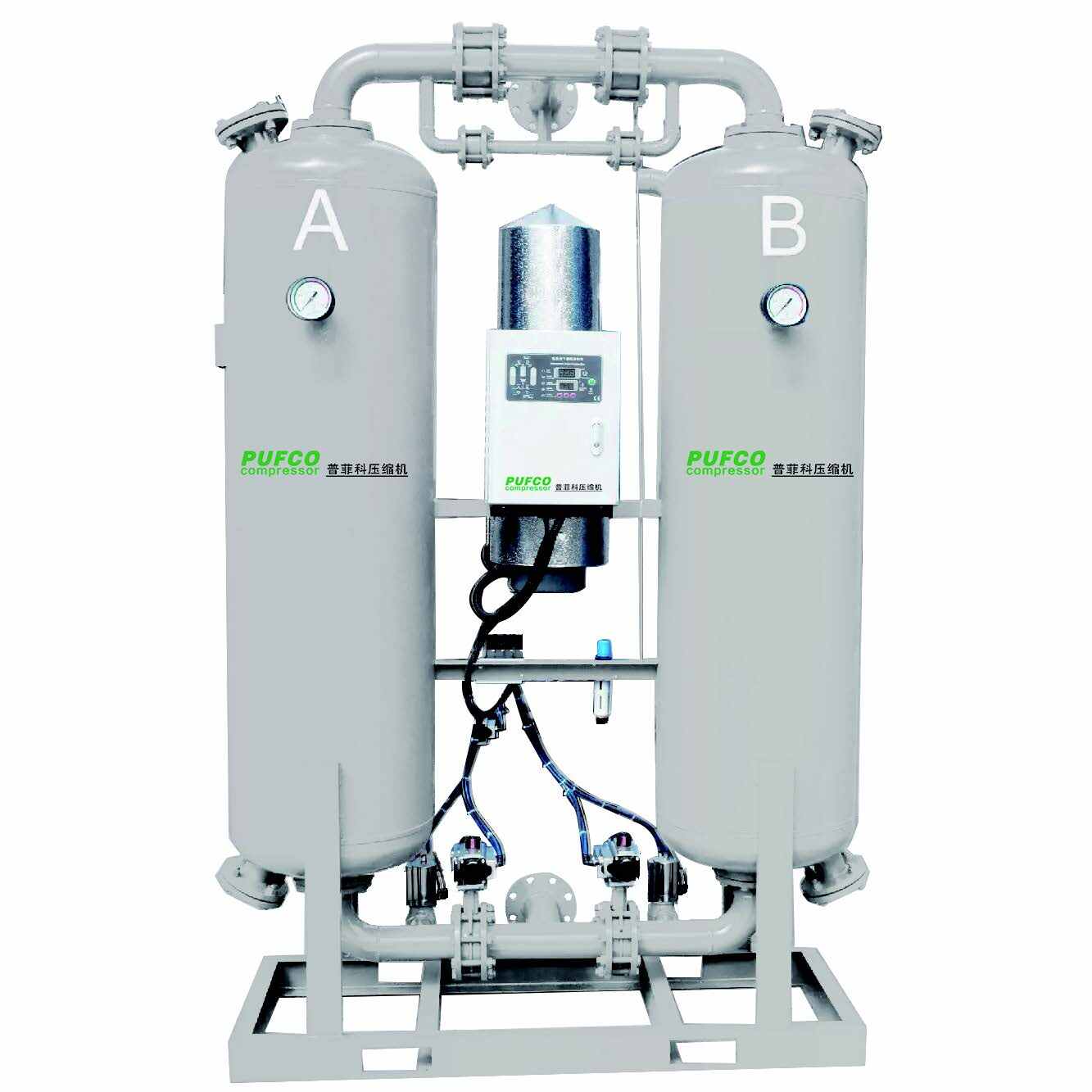
The Hidden Threat: Why Moisture Control Is Non-Negotiable in Compressed Air
System Damage and Process Failure from Untreated Moisture
When ambient air is compressed, its water vapor concentration rises dramatically. As the compressed air cools downstream, this vapor condenses into liquid water—triggering a cascade of destructive effects. Corrosion attacks pipe walls, valves, and fittings, cutting typical pipe lifespan by 50–70% under constant high-moisture conditions. Rust particles and sludge contaminate pneumatic tools, actuators, and cylinders, causing sticking valves, seal degradation, and costly unscheduled downtime. In extreme cases, accumulated water can induce water hammer events that rupture piping or damage sensitive instrumentation. Moisture also fosters microbial growth inside distribution lines; the resulting acidic byproducts further accelerate corrosion. Without intervention, just one cubic meter of compressed air at 30°C and 80% relative humidity can deposit over 10 mL of liquid water per hour—enough to flood a small system within days.
Product Quality Risks Across Sensitive Industries
Moisture in compressed air is not only a mechanical hazard but a direct threat to product integrity. In food and beverage processing, water droplets transport bacteria and mold spores onto packaging or ingredients, triggering spoilage, off-flavors, or safety recalls—each averaging $10 million in cost (Food Safety Magazine, 2023). In pharmaceutical manufacturing, moisture compromises powder flow, tablet hardness, and sterility assurance, potentially invalidating entire batches worth hundreds of thousands of dollars. Electronics assembly lines are equally vulnerable: even trace condensation on circuit boards can cause short circuits, solder joint corrosion, or latent failures that surface only after products reach customers. The total cost of moisture-related quality defects often dwarfs the expense of proper air drying equipment—yet many facilities still rely on inadequate filtration. A single point-of-use moisture event can halt production for hours, making moisture control not just a maintenance preference but a non-negotiable requirement for competitive operations.
How Refrigerated Air Dryers Work: Cooling, Condensation, and Dew Point Control
Core Thermodynamic Process: Achieving Reliable Pressure Dew Points
Refrigerated air dryers remove moisture by cooling compressed air to force condensation. Warm, saturated air enters the dryer and passes over refrigerant-chilled coils. When cooled below its dew point, water vapor transitions to liquid droplets, which collect in a separator and drain away. The dried air then undergoes slight reheating via an internal heat exchanger to prevent downstream condensation. This thermodynamic cycle achieves consistent pressure dew points (PDP) of approximately 3°C (38°F), as validated by industry testing (Fluid Air Dynamics, 2023). Maintaining this PDP prevents freezing in cold ambient piping and protects equipment from water-induced corrosion.
Cycling vs. Non-Cycling Refrigerated Air Dryer Designs Compared
Two primary refrigerated dryer designs exist: cycling (thermal mass) and non-cycling (fixed load). Each offers distinct operational and efficiency profiles:
| Feature | Cycling Dryers | Non-Cycling Dryers |
|---|---|---|
| Energy Consumption | Lower (compressor cycles off at low load) | Higher (constant refrigerant flow) |
| Dew Point Stability | Moderate fluctuations during cycling | Consistent dew point output |
| Maintenance Needs | Reduced wear on compressor | Higher mechanical stress |
| Best Application | Variable air demand environments | Steady, continuous operations |
Cycling models adjust cooling capacity to match air demand, enhancing energy efficiency by 30–40% during partial loads (industry data, 2024). Non-cycling variants provide uninterrupted dew point control but incur higher operational costs. Facility managers should analyze compressed air demand patterns when selecting dryer technology.
Key Advantages of Refrigerated Air Dryers for Industrial Applications
Refrigerated air dryers are the most widely adopted technology for moisture removal in industrial compressed air systems due to their balance of performance, cost, and simplicity. They consistently deliver pressure dew points between +3°C and +10°C—sufficient for general plant air, pneumatic tools, and automated machinery. Unlike desiccant dryers, they operate without regeneration cycles or consumable media, keeping both capital expenditure and ongoing operating costs low. Maintenance typically involves periodic cleaning of the heat exchanger and inspection of refrigerant levels—tasks well within the scope of most in-house maintenance teams. Modern designs incorporate energy-saving features such as thermal-mass or cycling controls, reducing electricity consumption by up to 50% during periods of low compressed air demand. These attributes make refrigerated air dryers a cost-effective, reliable foundation for industrial moisture control.
Industry-Specific Use Cases: Where Refrigerated Air Dryers Deliver Critical Protection
Food & Beverage: Preventing Microbial Growth and Product Spoilage
In the food and beverage industry, compressed air frequently contacts packaged goods, ingredients, or packaging surfaces. Untreated moisture creates a breeding ground for mold, bacteria, and yeast—leading to spoilage, off-flavors, and recalls. A properly sized refrigerated air dryer reduces system humidity to a low dew point, keeping internal pipes dry and preventing condensation during production or storage. This controlled environment preserves shelf life and supports compliance with food safety standards like Hazard Analysis Critical Control Point (HACCP). Even small amounts of liquid water can trigger microbial growth and compromise entire batches—making effective moisture removal essential.
Pharmaceuticals & Electronics: Ensuring Sterility, Precision, and Corrosion-Free Operation
Pharmaceutical manufacturing demands compressed air free of liquid water to maintain sterility and product integrity. Moisture can degrade active ingredients, cause powder clumping, or foster biofilm formation in cleanroom air lines. Refrigerated air dryers provide stable, low dew points that keep the air system dry and predictable—preventing these critical quality failures. Similarly, in electronics assembly, residual humidity induces corrosion on circuit boards and microscopic metal components, compromising precision soldering and leading to field failures. By eliminating moisture, refrigerated dryers preserve product reliability while protecting expensive equipment from rust and oxidation.
FAQ
Why is moisture control critical in compressed air systems?
Moisture in compressed air causes corrosion, contamination, and equipment damage, while also impacting product quality in industries like food, pharmaceuticals, and electronics.
What are refrigerated air dryers?
Refrigerated air dryers are devices that remove moisture from compressed air by cooling it, forcing water vapor to condense, and draining away the liquid to protect systems and products.
How do cycling and non-cycling refrigerated dryers differ?
Cycling dryers adjust cooling based on demand, saving energy, while non-cycling dryers offer consistent dew point control but have higher operational costs due to constant refrigerant use.
What industries benefit most from refrigerated air dryers?
Industries like food and beverage, pharmaceutical manufacturing, and electronics assembly benefit greatly as they require dry, contamination-free air to ensure product integrity and safety.
What maintenance do refrigerated air dryers require?
Maintenance typically includes periodic cleaning of heat exchangers and checking refrigerant levels, tasks manageable for most in-house teams.
Table of Contents
- The Hidden Threat: Why Moisture Control Is Non-Negotiable in Compressed Air
- How Refrigerated Air Dryers Work: Cooling, Condensation, and Dew Point Control
- Key Advantages of Refrigerated Air Dryers for Industrial Applications
- Industry-Specific Use Cases: Where Refrigerated Air Dryers Deliver Critical Protection
- FAQ

