 CN
CN
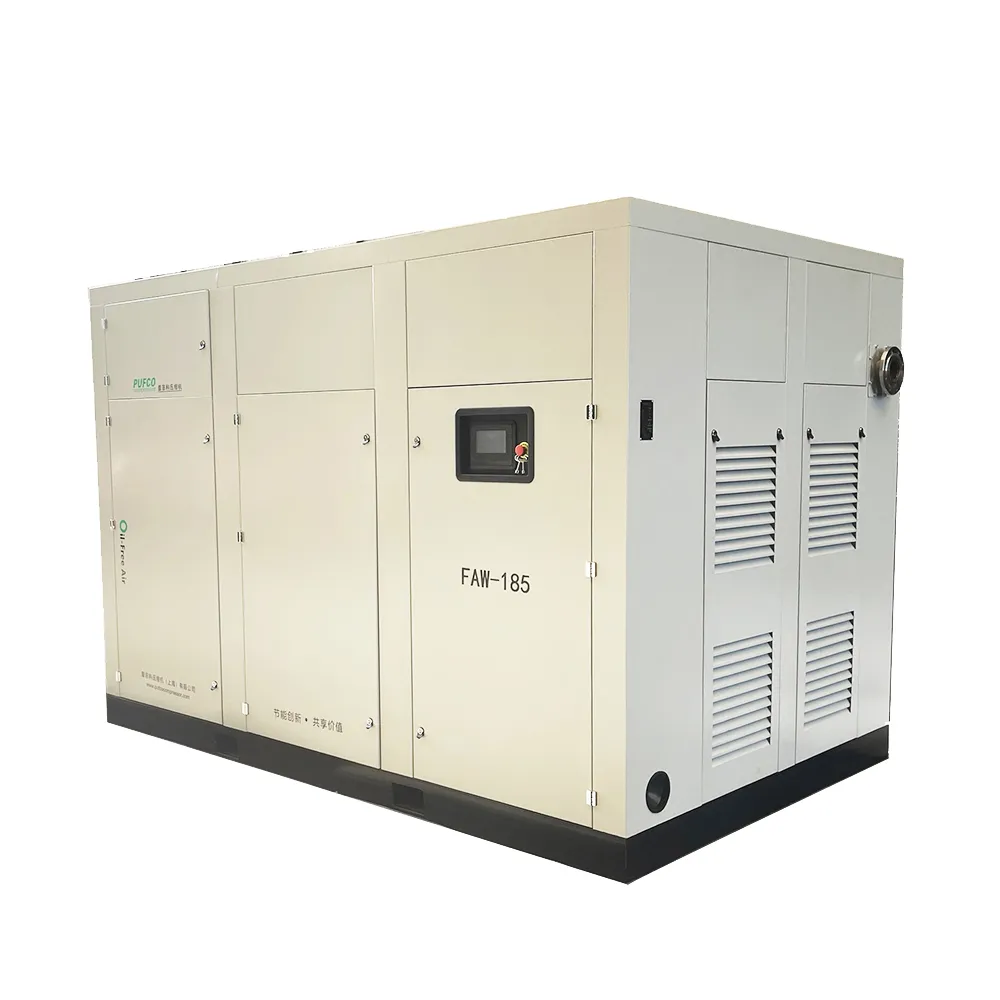
Why Choose an Oil-Free Air Compressor?
Eliminating Contamination Risks in Sensitive Applications
Oil-free air compressors deliver 100% oil-free air—essential where even trace hydrocarbons pose unacceptable risks. In medical and dental settings, they supply sterile air for ventilators, anesthesia machines, and surgical tools, preventing patient exposure to oil residues that could compromise respiratory safety or sterility protocols. Food and beverage facilities rely on them to comply with FDA, HACCP, and NSF/ANSI Standard 184 requirements, avoiding costly recalls from oil-contaminated packaging or direct-contact processes. Electronics manufacturers use them to protect sensitive components—oil mist can cause microscopic defects on circuit boards or semiconductor wafers, leading to yield loss or field failures. A single contamination event can cost over $740,000 in downtime, remediation, and reputational damage (Ponemon Institute, 2023). Unlike oil-lubricated systems, oil-free compressors achieve purity through advanced dry-sealing technologies—including ceramic-coated rotors, magnetic bearings, and non-contact scroll or screw mechanisms—making them the only viable choice when air quality is non-negotiable.
Reduced Maintenance and Operational Cost Savings
Oil-free compressors reduce total cost of ownership by 30–50% over their lifecycle compared to oil-lubricated equivalents. This stems from three core advantages: zero oil changes or disposal fees; fewer wear-prone components (no oil pumps, filters, separators, or sumps); and higher-efficiency motor designs optimized for continuous operation. While the upfront investment is typically 20–40% higher, most facilities recover this premium within 18–24 months through avoided maintenance labor, consumables, and unplanned downtime. Leading models are engineered for 100% duty cycles with robust thermal management—critical for mission-critical applications like hospital central air systems or 24/7 electronics production lines.
Key Applications for Oil-Free Air Compressors
Oil-free air compressors serve industries where air purity directly impacts safety, compliance, or product integrity. Their lubricant-free design eliminates the risk of hydrocarbon contamination—ensuring reliability where traditional compressors cannot perform.
Medical and Dental Equipment Supply
- Life-Sustaining Devices: Power ventilators, CPAP machines, and anesthesia delivery systems in accordance with ISO 8573-1 Class 0—the most stringent international standard for compressed air purity, certifying zero detectable oil content.
- Sterile Environments: Provide hygienic, particle-free air for dental handpieces, surgical instrument sterilizers, and cleanroom HVAC support—meeting Joint Commission and CMS requirements for healthcare facility air quality.
Food and Beverage Processing
- Direct Contact Applications: Safely operate pneumatic fillers, bottle blowers, packaging conveyors, and ingredient mixers without risking hydrocarbon migration into products.
- Regulatory Compliance: Fulfill FDA 21 CFR Part 110, HACCP prerequisite programs, and NSF/ANSI 184 for food-grade air—preventing violations that trigger mandatory recalls or plant shutdowns.
Electronics Manufacturing and Laboratory Use
- Micro-Contamination Control: Support semiconductor photolithography, wafer handling, and PCB assembly with air free of sub-micron oil aerosols—critical for maintaining defect rates below 0.1 ppm.
- Precision Instrumentation: Deliver stable, clean airflow for environmental test chambers, mass spectrometers, and optical microscopes in R&D labs—where even nanogram-level oil deposits disrupt calibration or sample integrity.
Critical Selection Criteria for Oil-Free Air Compressors
Selecting the right oil-free compressor demands alignment between technical specifications and real-world operational demands—not just peak performance on paper.
CFM, PSI, and Duty Cycle Requirements
Cubic feet per minute (CFM) must match your highest sustained demand; undersizing leads to pressure decay, equipment cycling, and premature wear. PSI must exceed the maximum required by your tools or processes—exceeding rated pressure voids warranties and accelerates seal degradation. Duty cycle is equally critical: medical labs, pharmaceutical cleanrooms, and continuous-process manufacturing require true 100% duty-rated units with active cooling, while intermittent-use environments (e.g., auto body shops) may prioritize high-CFM bursts at 40–60 PSI. Environmental conditions matter too—inlet air above 35°C (95°F) reduces volumetric efficiency and stresses dry-seal materials, so derating or supplemental cooling may be necessary in hot or humid locations.
Noise Levels and Portability Considerations
Noise output directly affects placement flexibility and operator well-being. Industrial facilities often accommodate units up to 85 dB(A), but clinical spaces, laboratories, and office-adjacent production areas require models under 60 dB(A)—typically achieved through scroll or oil-free screw designs with integrated acoustic enclosures. Portability needs vary widely:
| Feature | Fixed Installations | Mobile Applications |
|---|---|---|
| Weight | 150+ kg | <50 kg |
| Power Source | 3-phase electric | Battery, 120V AC, or hybrid |
| Frame | Bolt-down base with seismic anchoring | Integrated wheels, ergonomic handles, IP54 washdown rating |
For confined or regulated spaces—such as dental operatories or food processing floors—prioritize compact footprints, vibration-dampened mounts, and ingress protection (IP54 or higher) to withstand frequent cleaning. Always verify third-party certification to ISO 8573-1 Class 0, not just manufacturer claims—this ensures independent validation of oil-free performance across all operating conditions.
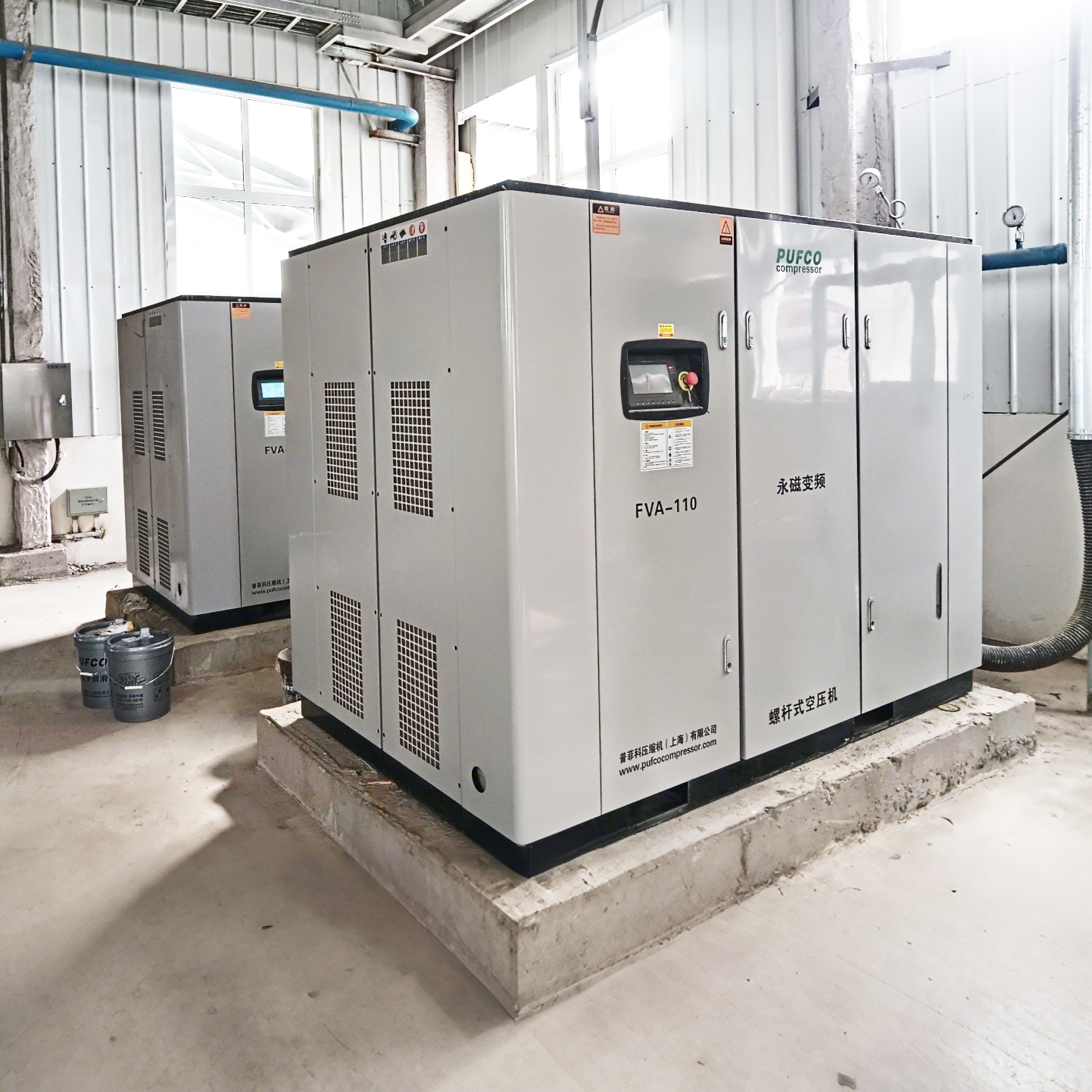
Frequently Asked Questions (FAQ)
What are the primary benefits of oil-free air compressors?
Oil-free air compressors provide pure, contaminant-free air, reduce maintenance costs by eliminating the need for oil changes, and improve operational efficiency over their lifecycle.
Which industries benefit the most from oil-free air compressors?
Industries like healthcare, food and beverage processing, and electronics manufacturing benefit greatly due to their high-demand for contaminant-free air.
Why is ISO 8573-1 Class 0 certification important?
ISO 8573-1 Class 0 certification validates the absence of detectable oil content, ensuring compliance and reliability for sensitive applications.
How do oil-free air compressors save on maintenance costs?
They eliminate expenses associated with oil changes, disposal, and wear-prone components like filters and separators.
What should I consider when choosing an oil-free air compressor?
Consider factors like CFM and PSI to match demand, duty cycles for continuous use, noise levels, portability, and independent validation of oil-free performance through certifications.

