 CN
CN
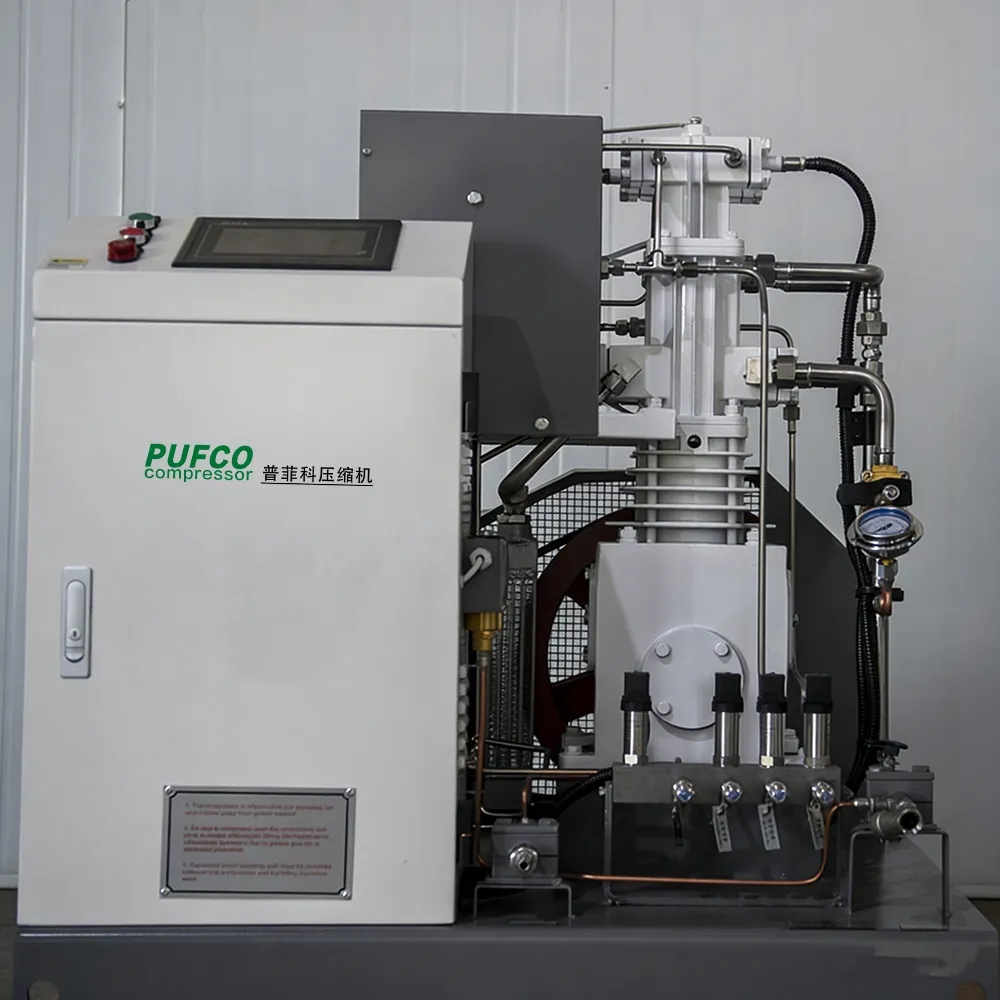
PSA Oxygen Generators in Metallurgy: Boosting Combustion Efficiency and Process Control
Oxygen-enriched combustion has become a key lever for metallurgical plants seeking higher throughput and lower energy costs. By replacing a portion of combustion air with 90–95% pure oxygen, operators eliminate nitrogen ballast—the inert gas that absorbs heat and dilutes flame temperature. This directly increases thermal intensity, enabling faster melting, improved temperature uniformity, and reduced fuel consumption. For steelmaking and non-ferrous smelting, the impact is measurable: higher production rates from existing capital equipment and lower emissions per ton of metal produced. Pressure swing adsorption (PSA) oxygen generators provide a reliable, on-site supply—eliminating dependency on delivered liquid oxygen and insulating plants from supply chain volatility.
Oxygen-enriched combustion for steelmaking and non-ferrous smelting
In electric arc furnaces (EAFs), oxygen injection accelerates carbon removal and slag foaming, shortening tap-to-tap times by 10–15%. For copper and zinc smelters, oxygen enrichment raises flame temperature in flash furnaces, improving sulfide oxidation kinetics and reducing off-gas volume—yielding a leaner flue gas stream that lowers downstream treatment costs. On-site PSA units deliver steady flow at consistent purity, avoiding the fluctuations sometimes seen with delivered liquid or cylinder oxygen. Modern systems integrate seamlessly with furnace controls to modulate oxygen flow in real time, minimizing over-oxidation and refractory wear while maximizing fuel efficiency. The absence of cryogenic storage also reduces safety risks and frees up valuable floor space.
Case study: On-site PSA oxygen at an aluminum recycling plant — 30% energy reduction and $142K/year savings
A mid-sized aluminum recycling facility replaced its liquid oxygen supply with a modular PSA oxygen generator rated at 200 Nm³/h at 93% purity. Previously, natural gas was burned in reverberatory furnaces using air enriched with vaporized liquid oxygen. The new system provided a continuous, pressure-stable oxygen stream—eliminating delivery delays and energy losses from cryogenic boil-off. Within the first year, furnace fuel consumption dropped by 30%, driven by higher flame temperature and improved heat transfer to the molten aluminum bath. Annual natural gas savings totaled $142,000, while the total cost of ownership—including electricity, maintenance, and consumables—was 40% lower than the prior liquid oxygen contract. The system achieved full ROI in 18 months, delivering both economic return and greater supply autonomy with a smaller carbon footprint.
Wastewater Treatment: Reliable, Scalable Oxygen Supply for Biological Nutrient Removal
PSA oxygen vs. conventional air diffusion: Improving dissolved oxygen (DO), reducing footprint and sludge volume
Conventional aeration blowers inject air—only 21% oxygen—into basins, wasting energy moving inert nitrogen. PSA oxygen generators supply 90–95% pure oxygen, dramatically raising dissolved oxygen (DO) levels in mixed liquor. Higher DO accelerates aerobic microbial metabolism, enhancing removal of BOD, ammonia-nitrogen, and phosphorus. The result is a smaller bioreactor footprint, lower sludge yield, and more stable nitrification/denitrification. Operators gain precise, demand-responsive DO control—avoiding the energy waste of continuously running blowers during low-demand periods. Compared to air diffusion, on-site PSA oxygen cuts overall aeration energy by up to 40% and significantly reduces sludge handling costs.
Modular PSA adoption trend among municipal utilities — 22% lower TCO over 7 years (2023 AWWA benchmark)
Municipal wastewater plants are increasingly adopting modular PSA oxygen generators for biological nutrient removal. Unlike fixed-base systems, modular units allow utilities to scale oxygen production incrementally as treatment loads grow. A 2023 American Water Works Association (AWWA) benchmark study found that facilities using modular PSA systems achieved a 22% lower total cost of ownership over seven years compared to those relying on traditional air diffusion or contract liquid-oxygen delivery. Key drivers include reduced energy use, lower maintenance, and elimination of recurring transport and storage fees. Crucially, modular PSA generators also provide supply chain resilience—remaining unaffected by trucking disruptions or supplier price volatility. As stricter nutrient-discharge permits take effect nationwide, modular PSA oxygen is emerging as the preferred solution for reliable, scalable, and cost-effective aeration.
Critical Niche Applications: Ozone Generation and Glass Manufacturing
High-purity oxygen requirements (≥90% O₂) for ozone synthesis and refractory protection in glass furnaces
Ozone generation demands ≥90% O₂ feedstock to maximize ozone concentration and energy efficiency. PSA oxygen generators deliver this purity reliably—removing the logistical burden and cost volatility of delivered liquid oxygen. In glass manufacturing, high-purity oxygen introduction reduces fuel consumption by up to 30% and protects refractory linings from thermal stress and oxidation. The same ≥90% O₂ stream stabilizes flame temperature and improves process control, ensuring consistent glass quality. These applications demonstrate how a single PSA oxygen system can serve multiple high-value industrial functions with minimal customization—supporting both environmental compliance and operational excellence.
Total Cost of Ownership and Operational Advantages of Industrial Oxygen Generators
When selecting an oxygen supply method, decision-makers must weigh long-term economic and operational impacts—not just upfront cost. A comprehensive 5-year total cost of ownership (TCO) analysis reveals clear advantages for PSA oxygen generators over liquid oxygen delivery and cylinder-based supply chains.
5-year TCO comparison: PSA oxygen generator vs. liquid oxygen vs. cylinders — factoring labor, safety, downtime, and supply chain resilience
The true cost of oxygen supply spans multiple dimensions:
| Cost Category | PSA Oxygen Generator | Liquid Oxygen Delivery | Cylinder Supply |
|---|---|---|---|
| Capital Expenditure | Higher initial cost | Medium | Low |
| Operational Expense | $0.10–0.30/m³ | $0.50–1.20/m³ | $1.50–3.00/m³ |
| Labor Requirements | Minimal | Medium (handling) | High (changes) |
| Downtime Risk | Low (on-site) | Medium (delivery-dependent) | High |
| Supply Chain Resilience | High (self-sufficient) | Vulnerable | Highly vulnerable |
Key operational advantages of PSA technology include:
- Elimination of delivery dependency—reducing exposure to supply chain disruptions
- Automated operation—cutting labor costs and mitigating safety risks tied to cylinder handling
- Energy efficiency gains—reducing operational expenses by 30–40% versus alternatives
- Demand-matched scalability—adjusting output without renegotiating contracts
For facilities consuming over 15,000 m³ annually, PSA systems typically achieve ROI within 24–36 months while delivering strategic operational stability. The reduced physical footprint—and elimination of high-pressure or cryogenic storage—further enhances safety and space utilization in industrial environments.
Frequently Asked Questions (FAQ)
What are the primary advantages of PSA oxygen generators in metallurgy?
PSA oxygen generators enhance combustion efficiency, reduce fuel consumption, and improve operational reliability by providing a consistent and pure oxygen supply. They eliminate dependence on liquid oxygen deliveries and reduce emissions.
How do PSA oxygen generators improve the wastewater treatment process?
PSA systems provide high-purity oxygen, increasing dissolved oxygen levels for effective biological nutrient removal. This leads to reduced sludge volume, a smaller bioreactor footprint, and up to 40% reduction in aeration energy costs.
Why are PSA oxygen generators preferred for ozone generation and glass manufacturing?
PSA oxygen systems supply ≥90% pure oxygen, critical for maximizing ozone concentration and energy efficiency in ozone generation. In glass manufacturing, they ensure stable flame temperatures, reducing fuel consumption and protecting refractory linings.
Are PSA oxygen generators cost-effective in the long run?
Yes, PSA systems typically achieve ROI within 24–36 months due to lower operational expenses, reduced labor costs, and improved supply chain resilience compared to liquid oxygen and cylinder supplies.
Can modular PSA systems scale with treatment or production needs?
Absolutely. Modular PSA systems provide demand-matched scalability, allowing facilities to increase oxygen production incrementally as operational requirements grow.
Table of Contents
- PSA Oxygen Generators in Metallurgy: Boosting Combustion Efficiency and Process Control
- Wastewater Treatment: Reliable, Scalable Oxygen Supply for Biological Nutrient Removal
- Critical Niche Applications: Ozone Generation and Glass Manufacturing
- Total Cost of Ownership and Operational Advantages of Industrial Oxygen Generators
-
Frequently Asked Questions (FAQ)
- What are the primary advantages of PSA oxygen generators in metallurgy?
- How do PSA oxygen generators improve the wastewater treatment process?
- Why are PSA oxygen generators preferred for ozone generation and glass manufacturing?
- Are PSA oxygen generators cost-effective in the long run?
- Can modular PSA systems scale with treatment or production needs?

