 CN
CN
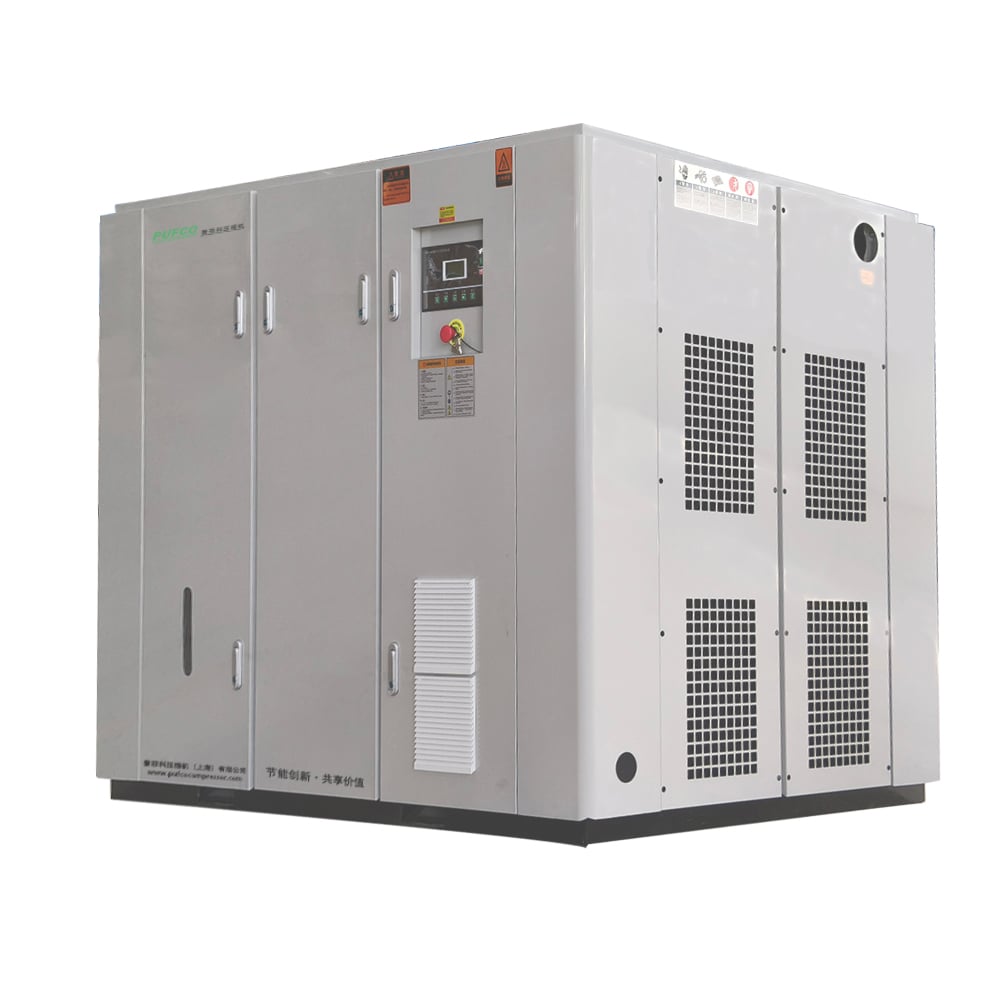
Total Cost of Ownership: Diesel vs Electric Portable Air Compressors
The true cost of a portable air compressor extends far beyond the initial purchase price—fuel, maintenance, downtime, and compliance all shape long-term value. Understanding these factors reveals where each technology delivers superior economic and operational performance.
Fuel vs. Electricity: Real-World Energy Cost per CFM-Hour
Energy consumption is the largest contributor to total ownership cost. Diesel-powered portable air compressors burn fuel at a rate that can be up to four times more expensive than the electricity required to run an equivalent electric unit. Field data shows a 400 CFM electric portable air compressor saves over $1,100 per week in energy costs compared to a diesel model of equal capacity—before factoring in fuel transportation, on-site storage, and price volatility. Electric motors convert nearly all input energy into usable kinetic force; diesel engines lose significant energy as heat and mechanical friction. Even across varying duty cycles, the cost per CFM-hour consistently favors electric operation—especially in regions with stable grid rates and facilities already equipped with 460-volt power. Over a typical 10-year lifespan, energy savings alone often offset the higher upfront cost of electric units.
Maintenance Frequency, Labor, and Downtime Costs
Maintenance demands further widen the TCO gap. A diesel portable air compressor typically requires oil and filter changes every 250 operating hours—on a 24/7 schedule, that’s roughly every 10 days—plus refueling every 12 hours. These frequent interventions consume labor time and trigger unplanned production interruptions. In contrast, electric portable air compressors eliminate engine oil, fuel filters, exhaust systems, and associated diagnostics. Service intervals are significantly longer, with routine upkeep limited to air filter inspection and condensate drain checks. Industry analysis indicates lifetime maintenance costs for electric units can be up to 60% lower than for diesel equivalents. Cleaner, cooler air output also reduces wear on downstream components like separators and dryers, supporting higher uptime, leaner parts inventory, and simpler logistics—all reinforcing lower total cost of ownership.
Performance and Application Fit for Portable Air Compressors
CFM, PSI, and Duty Cycle Stability Under Load
Matching a portable air compressor to an application requires evaluating airflow (CFM), pressure (PSI), and duty cycle together—not just headline CFM ratings. As discharge pressure increases, volumetric efficiency drops—typically by 2–3% per 10 PSI rise. A diesel unit rated at 185 CFM may deliver substantially less usable airflow at 150 PSI under continuous load (Purdue University, 2022), risking pressure drops and inconsistent tool performance—especially with high-demand equipment like rock drills or sandblasters.
Duty cycle stability separates machines built for sustained work from those suited only for intermittent use. Electric portable air compressors with a 100% duty cycle rating maintain full output indefinitely when powered, making them ideal for industrial environments requiring uninterrupted air supply. Diesel portables, while mobile, commonly carry a 70% duty cycle recommendation—requiring rest periods to prevent overheating and accelerated wear. For an 8-hour shift powering multiple impact wrenches or a shot-blast system, an electric compressor’s thermal consistency becomes a critical performance advantage—not merely a convenience.
Indoor Safety, Emissions Compliance, and NEMA Ratings
Indoor and enclosed-space applications sharply constrain equipment choice. Diesel-powered units emit carbon monoxide, nitrogen oxides, and particulate matter—rendering them unsuitable for tunnels, mines, or manufacturing floors without extensive ventilation. The 2023 OSHA silica standard has heightened scrutiny of job site air quality, making point-of-use emissions a direct compliance concern. Electric portable air compressors eliminate exhaust entirely, supporting indoor air quality goals without costly fume extraction systems.
Environmental protection for the unit itself is defined by NEMA (National Electrical Manufacturers Association) ratings. Outdoor-rated electric compressors typically feature NEMA 4 or NEMA 4X enclosures—engineered to withstand hose-directed water and windblown dust. The table below outlines common NEMA classifications for portable electric units:
| NEMA Rating | Protection Level | Typical Application |
|---|---|---|
| NEMA 1 | Indoor, basic dust protection | Controlled indoor shops |
| NEMA 3R | Outdoor, rain and sleet resistant | Exposed outdoor sites |
| NEMA 4/4X | Outdoor, hose-water and dust tight | Washdown areas, harsh construction sites |
Selecting a NEMA 4-rated electric portable air compressor ensures electrical and motor integrity matches the ruggedness of diesel alternatives—without the emissions burden. In projects governed by CO exposure limits or environmental regulations, electric units aren’t just viable—they’re often mandatory.
Environmental and Operational Constraints of Portable Air Compressors
Portable air compressor deployment faces tightening environmental and operational boundaries that directly impact project feasibility. Noise levels routinely reach 70–90 decibels—exceeding municipal limits in residential zones—and agencies like the EPA and California Air Resources Board enforce increasingly strict emission standards for fuel-powered models. Diesel-driven compressors contribute disproportionately to urban particulate matter, accelerating industry-wide adoption of cleaner alternatives.
Operational constraints arise from the harsh, unpredictable environments where these units must perform. High-altitude sites reduce air density and oxygen availability, demanding optimized intake and pressure regulation. Extreme temperatures—from arctic cold to desert heat—stress engine components and lubrication, while rugged terrain tests mobility and structural resilience. Units lacking reinforced frames, shock-absorbing mounts, or integrated lifting beams risk premature failure and costly downtime. These combined regulatory and physical pressures compel manufacturers to invest in noise reduction, emissions control, and ruggedization—features that raise upfront costs but ultimately determine whether a unit delivers reliable performance where it matters most.
Mobility, Deployment Flexibility, and Infrastructure Needs
Off-Grid Readiness vs Grid Dependency for Remote Sites
Deploying a portable air compressor in remote locations hinges on energy autonomy. Diesel models are inherently off-grid ready—arriving on-site, fueling up, and delivering continuous air output for extended shifts. They remain indispensable for pipeline construction, mining, and emergency response where grid access is nonexistent. Electric portable air compressors require either a stable grid connection or a dedicated generator—a dependency that adds logistical complexity, fuel consumption, maintenance, and potential points of failure. A generator set compromises true mobility and introduces redundancy challenges. In disaster relief or wilderness operations, a diesel portable air compressor enables rapid deployment with minimal setup—making its self-contained power the most flexible and resilient solution where infrastructure is absent.
FAQ
What are the key factors influencing the total cost of ownership (TCO) of portable air compressors?
The TCO encompasses initial purchase price, fuel or electricity costs, maintenance expenses, downtime, and compliance factors. Electric compressors often have lower energy and maintenance costs compared to diesel models.
How does energy cost differ between diesel and electric portable air compressors?
Diesel compressors tend to consume fuel at rates up to four times higher than the electricity required for a similar electric unit. Electric models also convert energy more efficiently, leading to cost savings over time.
What maintenance advantages do electric portable air compressors have over diesel models?
Electric compressors require less frequent maintenance and eliminate engine oil, fuel filters, and exhaust diagnostics. This results in up to 60% lower lifetime maintenance costs compared to diesel units.
What are NEMA ratings, and why are they important for electric portable air compressors?
NEMA ratings define environmental protection levels for electrical enclosures. Ratings like NEMA 4/4X ensure durability against water and dust, making electric compressors suitable for harsh conditions.
Which type of portable air compressor is better for remote locations?
Diesel compressors are off-grid ready and ideal for remote sites without grid access. Electric models require a stable power connection or generator, which can complicate deployment in isolated areas.
Table of Contents
- Total Cost of Ownership: Diesel vs Electric Portable Air Compressors
- Performance and Application Fit for Portable Air Compressors
- Environmental and Operational Constraints of Portable Air Compressors
- Mobility, Deployment Flexibility, and Infrastructure Needs
-
FAQ
- What are the key factors influencing the total cost of ownership (TCO) of portable air compressors?
- How does energy cost differ between diesel and electric portable air compressors?
- What maintenance advantages do electric portable air compressors have over diesel models?
- What are NEMA ratings, and why are they important for electric portable air compressors?
- Which type of portable air compressor is better for remote locations?

