 CN
CN
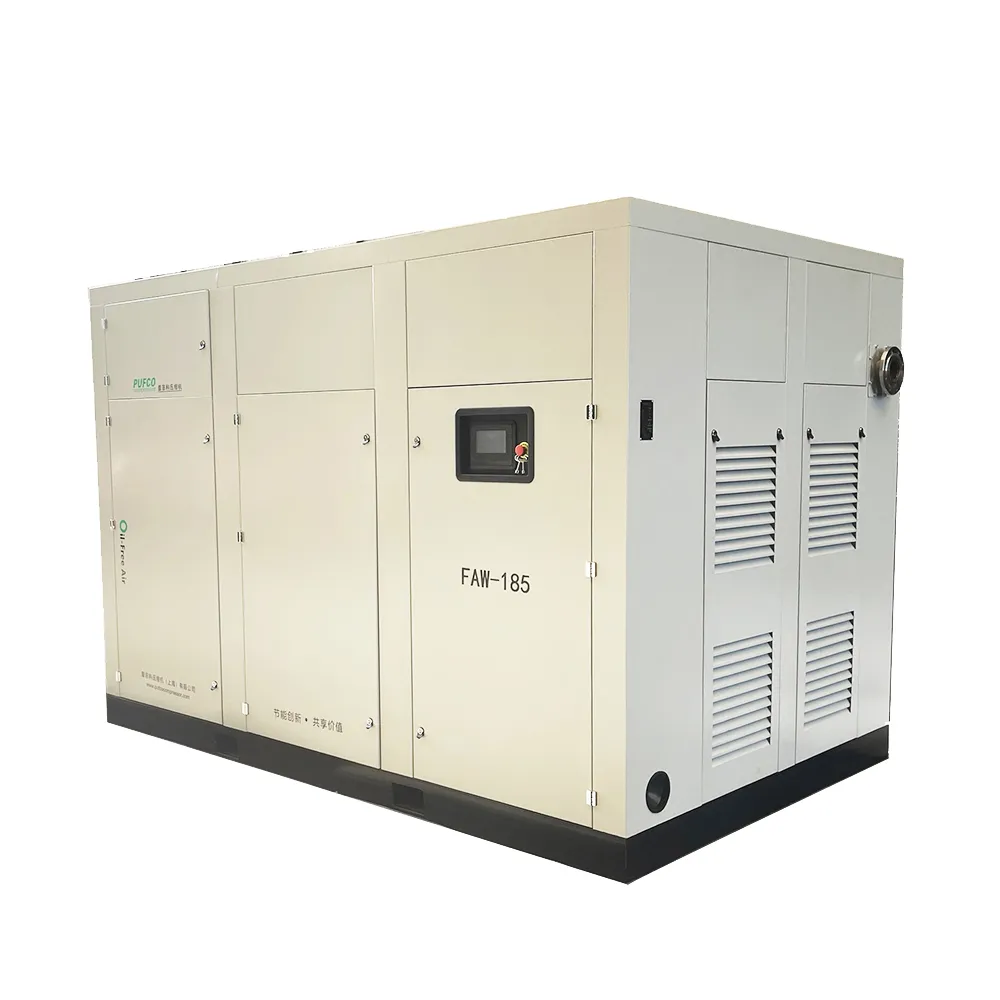
The Critical Link Between Air Purity and Electronics Yield
In modern electronics manufacturing, compressed air comes into direct contact with sensitive components during assembly, cleaning, and testing. Even microscopic oil particles can deposit onto wafers, circuit boards, or connectors—causing adhesion failures, electrical shorts, or corrosion. These hidden contaminants directly lower production yields and trigger costly rework. Choosing a certified oil-free air compressor is therefore a strategic decision to protect product quality and process reliability.
How oil carryover compromises microelectronics assembly and testing
Oil carryover occurs when lubricated compressors fail to fully remove oil aerosols, vapors, or liquid droplets from the air stream. These contaminants land on precision surfaces during pick-and-place operations, solder paste application, or pneumatic actuation—leading to poor wetting of solder joints, delamination of coatings, or blocked micro-vias. In testing environments, oil films distort electrostatic measurements and cause false rejects. Even trace levels below 0.01 mg/m³ can ruin an entire batch of high-value wafers. Because modern electronics demand extreme cleanliness, any deviation from true oil-free purity introduces unacceptable risk to yield.
Real-world impact: Defect rates, rework costs, and batch failures
The financial penalty of oil contamination is severe. A single batch failure in a semiconductor fab can scrap hundreds of wafers—each valued at thousands of dollars. Reworking contaminated circuit boards consumes labor, specialty chemicals, and time, while defect rates climb by 15–30% when airborne oil exceeds acceptable thresholds. Industry studies show manufacturers using oil-lubricated compressors without robust filtration experience yield losses of up to 5% directly attributable to oil carryover. Over a year, those losses can amount to millions in scrapped product and rework. In contrast, facilities relying on certified oil-free air compressors consistently achieve higher first-pass yields and lower total production costs.
ISO 8573-1 Class 0 Certification: Guaranteeing True Oil-Free Air
What Class 0 means—and why it’s non-negotiable for semiconductor fabs
ISO 8573-1 sets the global standard for compressed air purity. While Class 1 permits up to 0.01 mg/m³ of total oil, Class 0 is not a fixed limit—it’s a user-defined specification that must be more stringent than Class 1. For example, a semiconductor fab may require oil content ≤0.005 mg/m³. Achieving this demands actual oil-free compression—not filtration of lubricated air. Oil-free compressors undergo full-flow (B1) testing that captures liquid oil, aerosols, and vapors, providing verifiable compliance. In semiconductor manufacturing—where even trace oil can ruin wafer yields and trigger millions in rework—Class 0 certification is non-negotiable. Without it, the risk of batch failures and lost revenue is unacceptable.
How certified oil-free air compressors eliminate compliance risk
A certified oil-free air compressor eliminates contamination at the source. It uses no lubricants in the compression chamber, so the air discharged is guaranteed free of oil introduced by the machine. This removes dependence on downstream filters—which can degrade, bypass, or be improperly maintained. With ISO 8573-1 Class 0 certification, electronics manufacturers gain documented, auditable assurance of air purity. Facilities avoid recurring filtration costs, hazardous waste disposal liabilities, and the compliance uncertainty of “technically oil-free” systems reliant on post-compression filtration. For high-stakes environments like circuit board assembly and cleanrooms, investing in certified oil-free technology directly protects product quality, customer trust, and regulatory standing.
Operational and Economic Benefits of Oil-Free Air Compressors
Lower total cost of ownership: No oil changes, filters, or disposal
Oil-free air compressors deliver significant long-term savings by eliminating recurring expenses tied to lubricants. Without oil, facilities remove costs for purchasing lubricants, replacing oil-saturated filters, and disposing of contaminated condensate. This translates to direct operational savings: no scheduled downtime for oil changes, reduced spare part inventories, and avoidance of hazardous waste handling fees. Maintenance shifts focus to routine inspections rather than fluid management, freeing technician time for higher-value tasks. For electronics manufacturers operating 24/7 production lines, these reductions in consumable costs and maintenance labor compound annually.
Energy efficiency and uptime gains in 24/7 electronics production
Modern oil-free compressors achieve superior energy efficiency through advanced designs like variable speed drives (VSDs) and multi-stage compression. Unlike oil-flooded units, they avoid pressure drops across oil removal filters—reducing energy waste. Semiconductor fabs report 15–22% lower energy consumption after switching to certified oil-free systems. This efficiency extends beyond utility bills: with no oil-related component degradation, mean time between failures (MTBF) increases significantly. For sensitive electronics assembly environments requiring uninterrupted air supply, the reliability of oil-free technology minimizes production stoppages and protects high-value manufacturing processes.
Selecting the Right Oil-Free Air Compressor for Electronics Applications
Choosing the optimal oil-free air compressor for electronics manufacturing requires evaluating several critical factors beyond basic pressure and flow specifications. First, verify ISO 8573-1 Class 0 certification—this non-negotiable standard ensures true oil-free air, preventing microscopic contamination that compromises semiconductor fabrication and PCB assembly. Consider these essential selection criteria:
- Airflow consistency: Fluctuations disrupt sensitive processes like wafer handling; look for units maintaining ±1% pressure stability
- Heat management: Overheating accelerates component wear; prioritize compressors with advanced cooling systems
- Noise levels: Excess vibration affects precision equipment alignment; select models with <70 dBA operational noise
- Scalability: Modular designs accommodate future production expansion without downtime
- Maintenance protocols: Units with predictive monitoring reduce unplanned outages by 42%
For electronics applications, rotary screw compressors often outperform reciprocating models in sustained operation scenarios. Their continuous duty cycle maintains stable airflow during extended production runs—critical for SMT assembly lines operating 24/7. Always validate third-party certification reports rather than relying on manufacturer claims alone.
FAQ
Why is air purity crucial in electronics manufacturing?
Air purity directly impacts sensitive electronic components during assembly, cleaning, and testing, preventing issues like adhesion failures, electrical shorts, and corrosion.
What issues arise from oil carryover in compressed air?
Oil carryover leads to poor solder joint adhesion, coating delamination, blocked micro-vias, and false rejects in testing, compromising production yield and quality.
What is ISO 8573-1 Class 0 certification?
It is the highest standard of compressed air purity, ensuring no detectable oil contamination, which is critical for semiconductor and electronics manufacturing.
How do oil-free air compressors benefit operations?
They eliminate oil-related maintenance, reduce costs, enhance energy efficiency, and increase uptime for 24/7 production environments.
What factors should manufacturers consider when choosing an oil-free air compressor?
Key considerations include ISO Class 0 certification, airflow consistency, heat management, noise levels, scalability, and maintenance protocols.

