 CN
CN
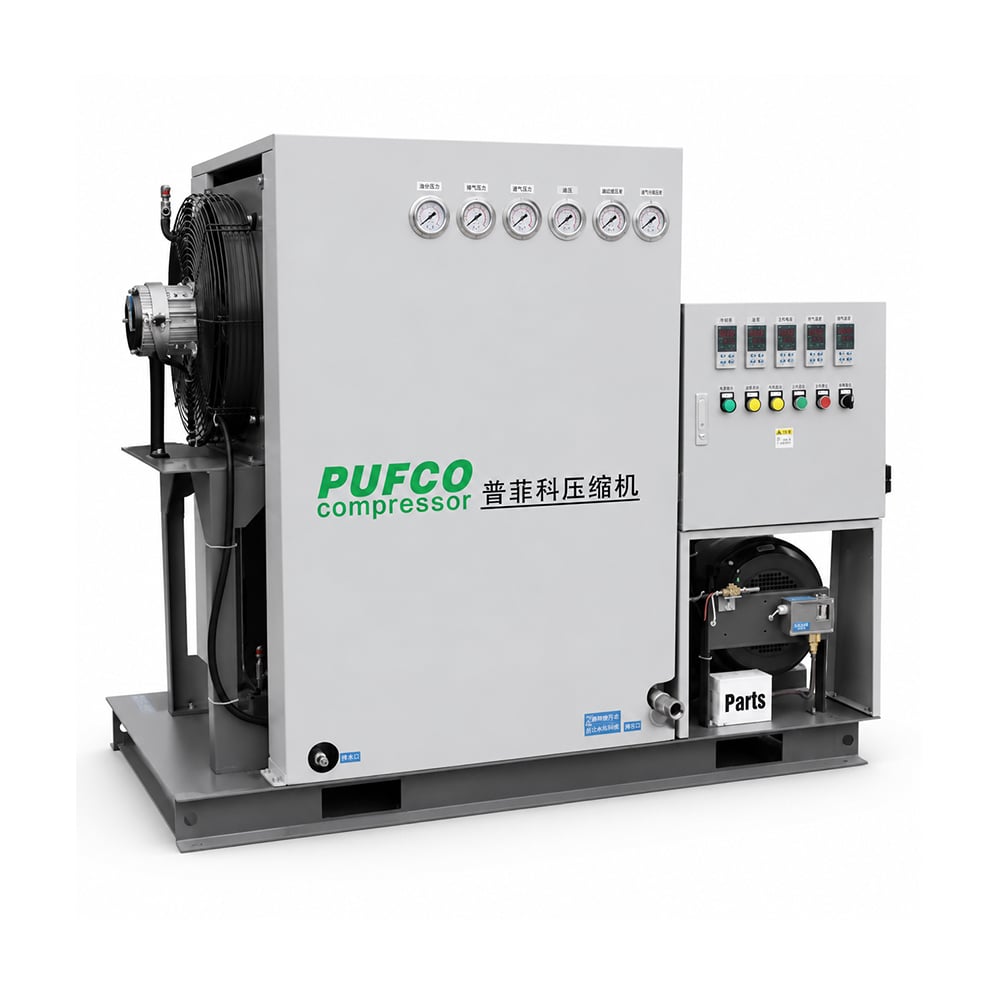
Understanding Common Centrifugal Air Compressor Failures
Centrifugal air compressors are essential in demanding industrial settings, yet they are vulnerable to several failure modes that can halt production and escalate costs. The most recurrent mechanical concern is impeller fatigue—a leading cause of unscheduled downtime. High-cycle fatigue (HCF) arises from high-frequency, low-amplitude vibration triggered by impeller-diffuser interaction or upstream flow distortions, while low-cycle fatigue (LCF) results from excessive mechanical stress, resonant vibration, or unbalanced operation. Corrosive media, elevated temperatures, and manufacturing defects further degrade material resistance and accelerate crack initiation.
Bearing failures—especially in thrust bearings—are equally prevalent and often stem from misalignment, poor lubrication, or oil contamination, all of which quickly lead to overheating and wear. Abnormal vibration and noise frequently serve as the first warning signs of rotor imbalance, coupling misalignment, or bearing deterioration. Oil seal and sealing ring degradation can cause lubricant leakage, reducing system pressure and risking component damage.
Recognizing these failure patterns—from aerodynamic instability to lubrication system faults—is the foundation of effective troubleshooting. By correlating symptoms with root causes, maintenance teams can move from reactive repairs to proactive condition monitoring, preserving operational reliability and extending asset life.
Troubleshooting Critical Operational Issues in Centrifugal Air Compressors
Reduced Gas Outlet Flow: Causes and Corrective Actions
A centrifugal air compressor may deliver less gas flow than rated due to several common factors. Start by checking the inlet filter: a clogged filter reduces intake air density, directly lowering output. Inspect impeller and diffuser passages for fouling or mechanical wear—even minor erosion can shift aerodynamic performance and cut flow by 10–15%. Verify suction piping for leaks; ambient air ingress lowers mass flow. Also confirm that inlet guide vanes or variable diffuser vanes are positioned correctly and not stuck. A mis-calibrated control system may force operation at an off-design point.
Corrective steps include cleaning or replacing the inlet filter, removing deposits from impeller and diffuser surfaces, sealing suction leaks, and recalibrating the governor and anti-surge valve. A post-repair performance test confirms flow restoration to specification.
Oil Pressure Drop: Diagnosing Lubrication System Faults
A sudden drop in oil pressure jeopardizes bearings and seals. The most common root cause is a failing oil pump—inspect its suction strainer and relief valve for blockages or sticking, and assess pump wear, which reduces pressure even at normal speed. Oil leaks from cracked pipes or loose fittings also bleed pressure; inspect all lines and replace damaged hoses. A clogged oil filter restricts flow: measure differential pressure across the element to confirm saturation. Low oil level in the reservoir can starve the pump—top up to the correct mark.
After repairs, verify low-pressure alarm and trip functionality, and monitor pressure trends over time to detect gradual degradation before it triggers a shutdown.
Addressing Excessive Bearing Temperature and Vibration in Centrifugal Air Compressors
Thermal Overload, Lubrication Deficiency, and Cooling System Failures
Excessive bearing temperatures typically originate from three interrelated issues: restricted oil flow, inadequate cooling, or degraded lubricant. A throttle ring orifice that is too small—or a clogged filter—directly reduces oil volume, starving the bearing of both lubrication and heat removal. Similarly, a drop in system pressure or oil pump failure cuts supply volume. Even with adequate flow, insufficient cooling water through the oil cooler—or a fouled heat exchanger—raises oil inlet temperature, impairing its thermal capacity.
Troubleshooting begins with inspection of oil filters and pump performance, followed by adjustment of the throttle orifice if needed. Confirm full water flow through the oil cooler and clean the heat exchanger to restore efficient heat transfer. Proactive tracking of oil temperature and pressure trends helps prevent thermal overload from progressing to rapid bearing degradation.
Dynamic Imbalance, Misalignment, and Rotor Instability
Vibration issues commonly arise from rotor imbalance, shaft misalignment, or bearing-support deficiencies. Loss of balance—due to uneven wear, dirt accumulation, or manufacturing variation—generates centrifugal forces that increase bearing loads. Misalignment between the compressor and driver—or poor gear meshing in the speed increaser—transfers harmful radial and axial forces. An insufficient interference fit between the bearing cap and shell (typically 0.02–0.06 mm) can further amplify vibration.
Diagnosis starts with dynamic balancing of the rotor and gear sets, followed by laser-based realignment. Gear wear patterns, center distance, and tooth contact area must be verified and corrected. Finally, reseating the bearing cap with properly adjusted gaskets ensures the required interference fit—stabilizing the rotor and reducing destructive vibration amplitudes.
Preventive Maintenance Strategies for Reliable Centrifugal Air Compressor Operation
A structured preventive maintenance program is the backbone of reliable centrifugal air compressor operation. Tasks should shift from reactive fixes to scheduled, data-informed inspections. Weekly, check lubricant viscosity, acidity, and particle count—contaminated oil contributes to 40% of bearing failures in high-speed rotating equipment (Machinery Lubrication, 2023). Inspect impeller blades for pitting and erosion, as even minor surface roughness can reduce stage efficiency by 2–3%. Seal integrity is equally critical—small leaks at interstage or shaft seals account for up to 15% of total pressure loss.
Monthly, verify motor and gearbox alignment to within 0.05 mm to prevent excessive vibration and coupling wear. Replace air and oil filters per manufacturer-specified runtime—not visual condition—since a pressure differential exceeding 0.3 bar signals a choked intake. Document every observation in a digital log, including vibration trends, bearing temperatures, and lube oil analysis results. This historical record enables condition-based decisions: for example, a sustained 5°C rise in thrust bearing temperature may indicate oil cooler fouling, allowing targeted cleaning before a trip occurs.
Finally, invest in technician training on infrared thermography and ultrasonic leak detection—skills that transform routine walk-arounds into predictive diagnostic opportunities. A well-executed strategy extends service life by up to 30% and cuts unplanned downtime by nearly half.
FAQs
1. What causes impeller fatigue in centrifugal air compressors?
Impeller fatigue often results from high-frequency, low-amplitude vibrations caused by impeller-diffuser interactions or upstream flow distortions, as well as low-cycle fatigue due to mechanical stress, resonant vibration, or unbalanced operation. Factors like corrosive media, elevated temperatures, and manufacturing defects can exacerbate material degradation.
2. How can I detect bearing failure in a centrifugal air compressor?
Bearing failures often manifest as abnormal vibrations, noise, or overheating. Misalignment, poor lubrication, or oil contamination can accelerate deterioration. Periodic inspections using vibration analysis and oil condition monitoring can help detect early signs of failure.
3. What are the common causes of reduced gas outlet flow?
Reduced flow can stem from clogged inlet filters, fouled impellers or diffusers, suction piping leaks, misalignment of guide vanes, or a mis-calibrated control system. Routine cleaning, sealing, and recalibration are critical to restore normal flow levels.
4. What factors contribute to excessive bearing temperatures?
Excessive bearing temperatures are usually caused by restricted oil flow, inadequate cooling, or degraded lubricants. Issues such as clogged oil filters, failed oil pumps, fouled heat exchangers, or reduced cooling water flow are common contributors.
5. How can I mitigate vibration issues in centrifugal air compressors?
Vibration issues can be minimized by dynamically balancing the rotor, ensuring laser-aligned shafts, addressing gear wear, and adjusting interference fits between bearing caps and shells. Regular maintenance and realignment efforts are key for long-term stability.
6. What are some best practices for preventive maintenance?
A robust preventive maintenance program includes regularly checking lubricant properties, monitoring vibration and temperature trends, inspecting impellers, and replacing filters as per manufacturer guidelines. Maintaining digital logs and investing in advanced diagnostic training (e.g., infrared thermography) help enhance reliability.
Table of Contents
- Understanding Common Centrifugal Air Compressor Failures
- Troubleshooting Critical Operational Issues in Centrifugal Air Compressors
- Addressing Excessive Bearing Temperature and Vibration in Centrifugal Air Compressors
- Preventive Maintenance Strategies for Reliable Centrifugal Air Compressor Operation
-
FAQs
- 1. What causes impeller fatigue in centrifugal air compressors?
- 2. How can I detect bearing failure in a centrifugal air compressor?
- 3. What are the common causes of reduced gas outlet flow?
- 4. What factors contribute to excessive bearing temperatures?
- 5. How can I mitigate vibration issues in centrifugal air compressors?
- 6. What are some best practices for preventive maintenance?

