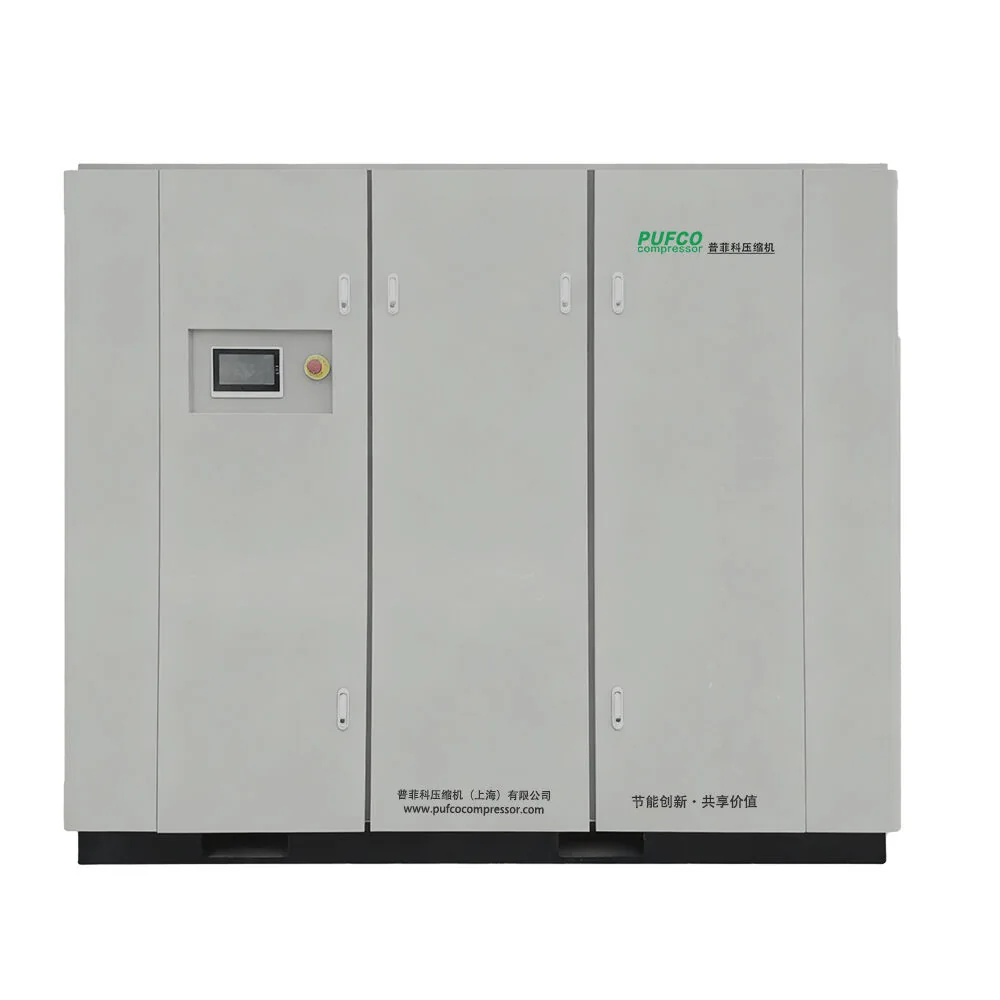
A natural gas reciprocating compressor uses pistons to increase gas pressure for a defined part of the gas-handling process. Selecting one starts with the gas stream and operating cycle: the same discharge-pressure target can require very different equipment when suction pressure, composition or flow changes.
For a useful quotation, describe where the gas comes from, where it must go and how those conditions vary. A list of applications alone cannot establish that one package will suit every gathering, pipeline or CNG project.
Gas collected from a source or received at an existing header may have changing pressure and composition. Identify the lowest and highest expected suction conditions and whether liquid, particles or condensate can reach the package. Define the delivery pressure at the receiving connection, including known downstream losses.
A storage-filling duty can change as the receiving pressure rises. Provide the starting and final storage conditions, gas quantity and required filling time. Ask the supplier to assess performance over that cycle rather than quoting a single favourable operating point.
Equipment at an LNG facility or transmission site can perform several different duties. State the specific gas-phase service and operating conditions; a site label such as “LNG” does not describe the compressor inlet. Liquid service and gas compression require separate equipment assessments.
Provide a gas analysis with the expected range of methane and other constituents, together with known moisture, particles and potentially corrosive components. If the composition changes, give the cases to be evaluated. These details influence the gas-path materials, seals, treatment and performance assessment.
State inlet temperature and pressure as minimum, normal and maximum values. Label pressure as gauge or absolute. For flow, state mass flow or volumetric flow with its reference conditions. Gas density changes with pressure, temperature and composition, so two capacity figures with different bases are not directly comparable.
Multistage compression and interstage cooling may be proposed to manage the pressure ratio and temperature duty. Review the arrangement at the required operating cases, including any changes in capacity as suction pressure falls or receiving pressure rises.
Cooling may cause constituents to condense. Ask where separation and drainage are included and what inlet conditions must be maintained. The proposal should identify how liquid carryover is controlled at the relevant package interfaces, rather than leaving this as an assumption between supplier and installer.
Define acceptable oil carryover and any downstream gas-quality requirement. An oil-free compression path can be appropriate where the process requires it, while final gas quality also depends on the incoming stream and treatment system. Review the maintenance requirements of the actual design.
Specify continuous or intermittent duty, expected operating hours, starts and stops, driver and electrical requirements, cooling utilities and site conditions. Discuss the project’s hazardous-area requirements and leakage-management interfaces with the supplier and responsible site engineer. These are configuration and installation questions, not assumptions that follow from the word “natural gas.”
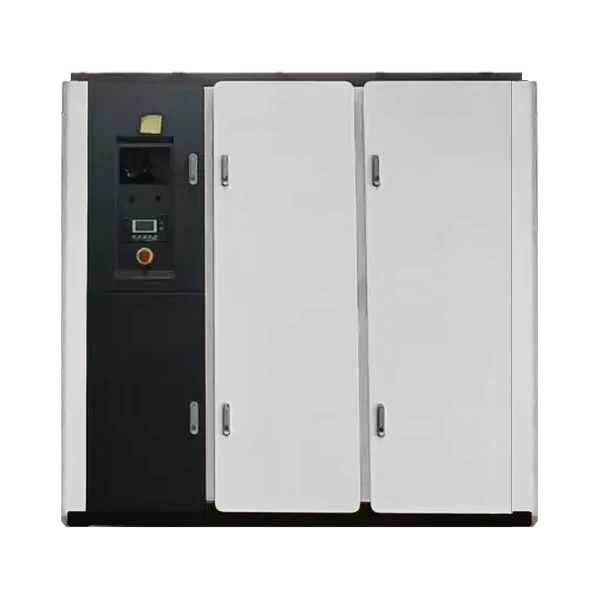
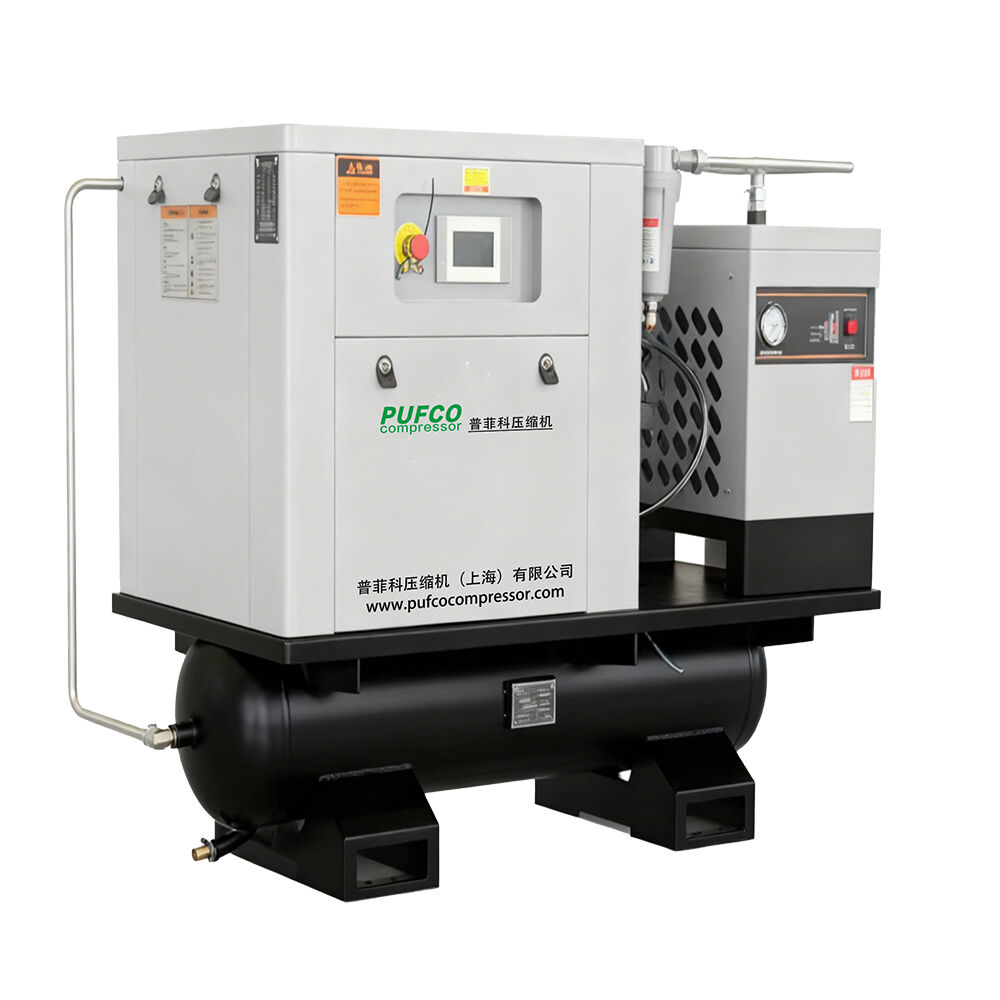
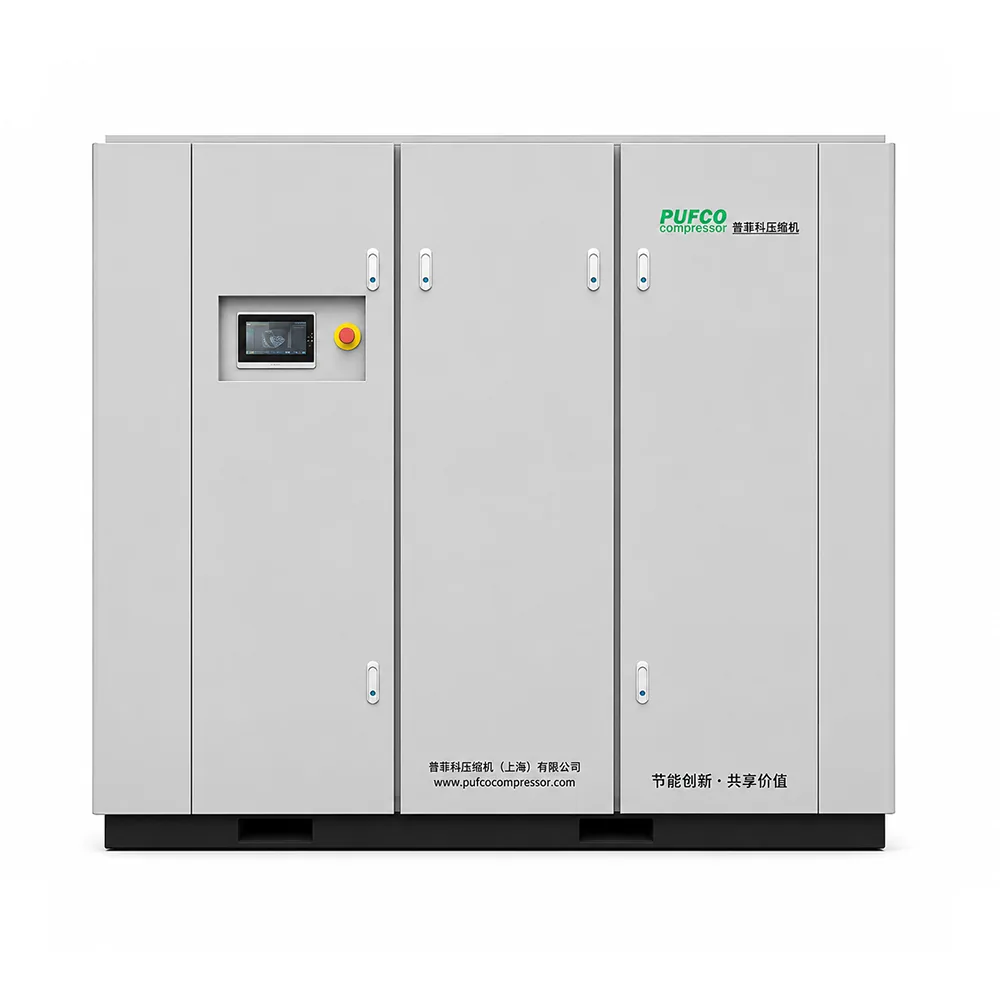
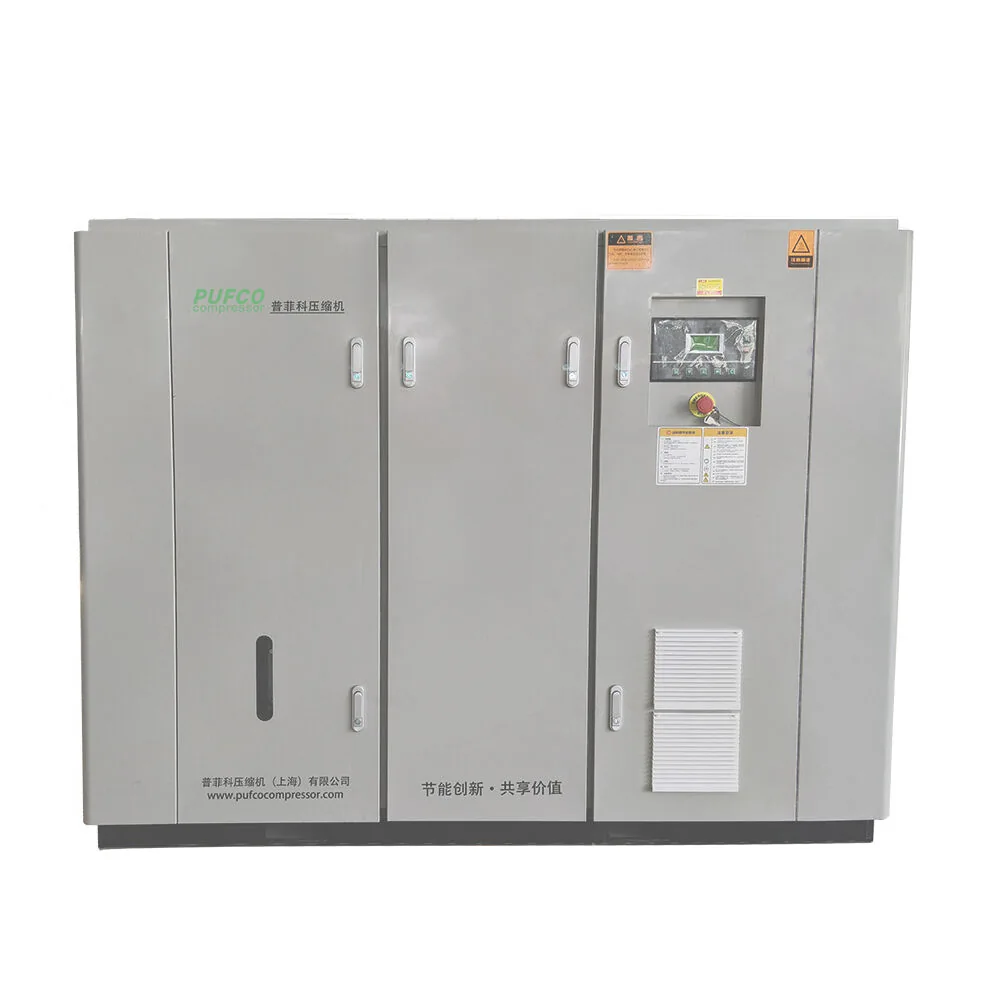
Our oil-free CNG and natural gas compressor options provide a starting point for discussing a specific package. Supply the actual gas conditions before selecting a model.
You can request a natural gas compressor configuration from PUFCO with a gas analysis and process sketch. The technical proposal should define the duty, package boundaries and documentation applicable to your project.

We use cookies to keep this site working properly and to understand how it is used. You can accept all cookies or continue with essential ones only. Cookie policy
 CN