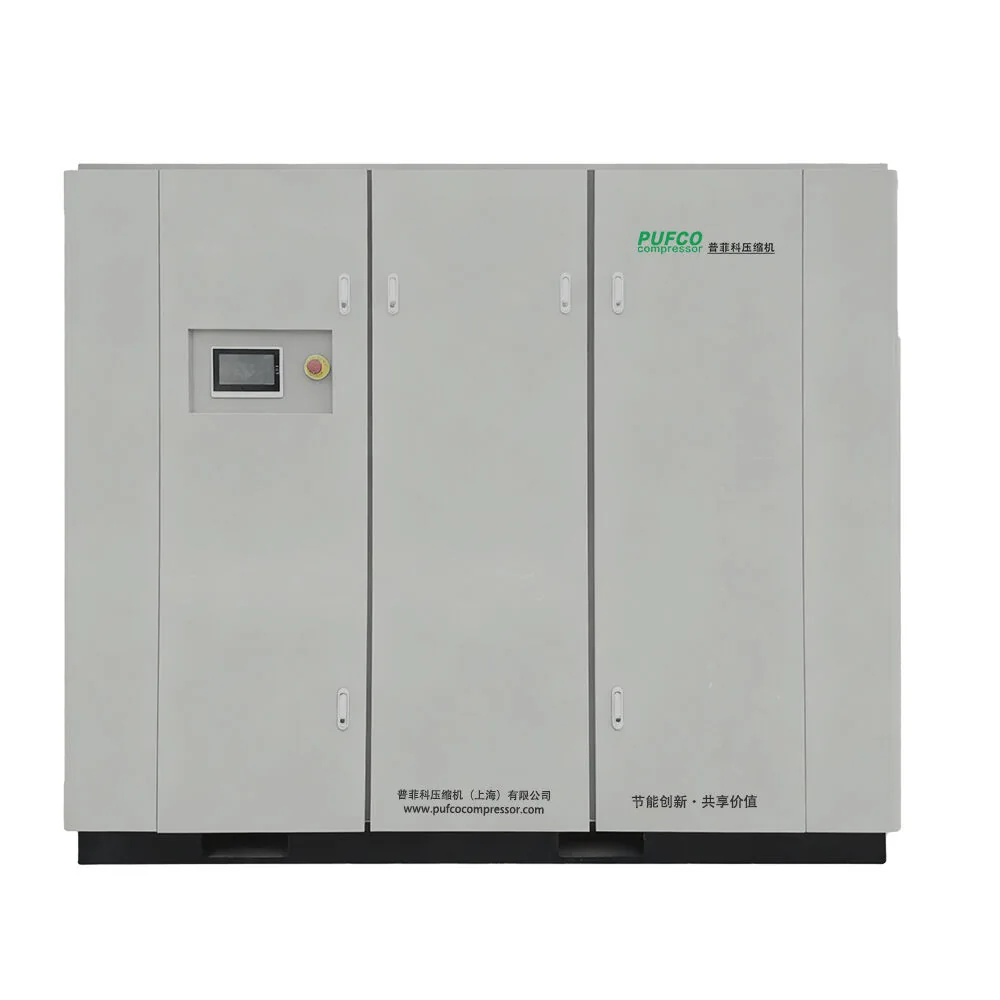
A high-pressure process gas compressor must be selected for a complete operating duty. An outlet-pressure rating alone does not show whether a machine can deliver the required flow, control temperature or handle the specified gas throughout the operating cycle.
Start with the process conditions and define the package around them. If you are comparing equipment categories first, our guide to process gas compressor types and applications explains the broader choices. This checklist focuses on the questions that matter as the pressure duty becomes more demanding.
Provide the gas composition, inlet temperature, inlet-pressure range, required flow and discharge pressure. Separate normal operation from startup, batch filling, minimum suction pressure and other expected conditions. The most demanding pressure case and the most demanding flow case may occur at different times.
State whether pressures are gauge or absolute, using labels such as bar(g) and bar(a). Compression ratios use absolute pressures. For volumetric flow, identify the reference temperature, pressure and dry or wet basis; a normal-volume figure cannot be compared directly with actual inlet volume.
Dividing the compression duty into stages can help manage temperature and loading. The appropriate arrangement depends on the gas, pressure ratio, allowable temperatures and operating range. More stages do not automatically mean a better package: additional equipment also brings pressure losses, controls and maintenance requirements.
Ask for the proposed stage arrangement, predicted discharge temperatures and cooling requirements at the specified duty points. Confirm the available cooling-water or ambient-air conditions. If cooling can produce condensate, the proposal should address separation and drainage so that liquid is managed before it enters a later compression stage.
A gas name is only the beginning of a material review. Moisture, corrosive components, particles and other constituents can influence cylinders, valves, seals, piping and treatment equipment. Supply a gas analysis when available and identify any expected changes during operation.
Seals and packing control gas leakage; they should not be described as eliminating it under all conditions. Discuss the proposed leakage-management arrangement, ventilation interfaces and maintenance access. Any hazardous-area requirements should be stated in the project specification and reviewed for the complete installation.
Decide whether the process requires an oil-free compression path or can accept a lubricated arrangement. Define an actual outlet-gas requirement where the downstream process needs one, including the verification method. Oil-free compression alone does not remove contaminants already present in the incoming gas.
For example, custom CO2 compressor options include oil-free and lubricated configurations. The appropriate choice depends on the application; the published oil-free reference models do not define the full scope of every custom package.
Define continuous or intermittent operation, expected operating hours, starts and stops, and how demand changes. Ask how the selected machine will control capacity across that range. Review instrumentation, shutdown conditions and pressure protection with the supplier and the responsible system designer.
Separate the compressor package from site equipment. A quotation should identify included cooling, separation, controls, piping and instruments, together with the utilities and interfaces supplied by others. Clear scope is as important as a nominal performance figure.
These inputs let suppliers compare configurations against the same duty. Where nitrogen is the working gas, review our high-pressure nitrogen compressor options as a starting point, then send PUFCO your process conditions for a custom proposal. The technical quotation should identify the selected configuration and its operating limits.

We use cookies to keep this site working properly and to understand how it is used. You can accept all cookies or continue with essential ones only. Cookie policy
 CN